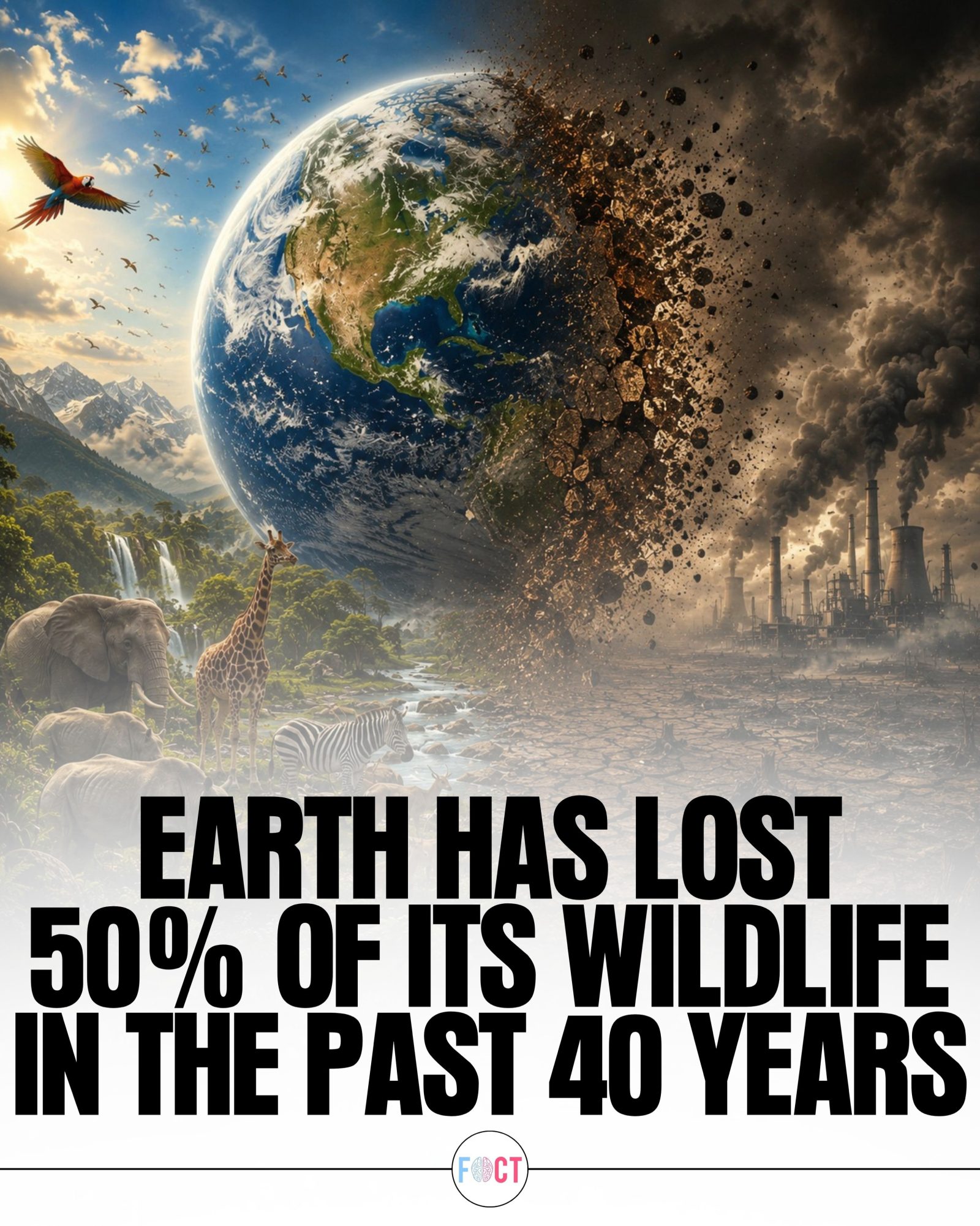
Wildlife Populations Have Decreased by 70% Since 1970
The average size of monitored wildlife populations has plummeted by roughly 70% since 1970. The leading causes of this…
Tag
Deep-dive articles with this tag.
The average size of monitored wildlife populations has plummeted by roughly 70% since 1970. The leading causes of this…

Microplastics, tiny plastic particles resulting from degradation, are widespread in everyday items, from chewing gum to…

Data centers, vital for modern digital infrastructure, are increasingly linked to declining bee populations. Farmers re…

The world is facing a significant decline in sperm counts, with a 59% drop since 1973. This trend, driven by environmen…

Tamarind, a tropical fruit, shows promise in removing microplastics from water and potentially supporting health. Its…
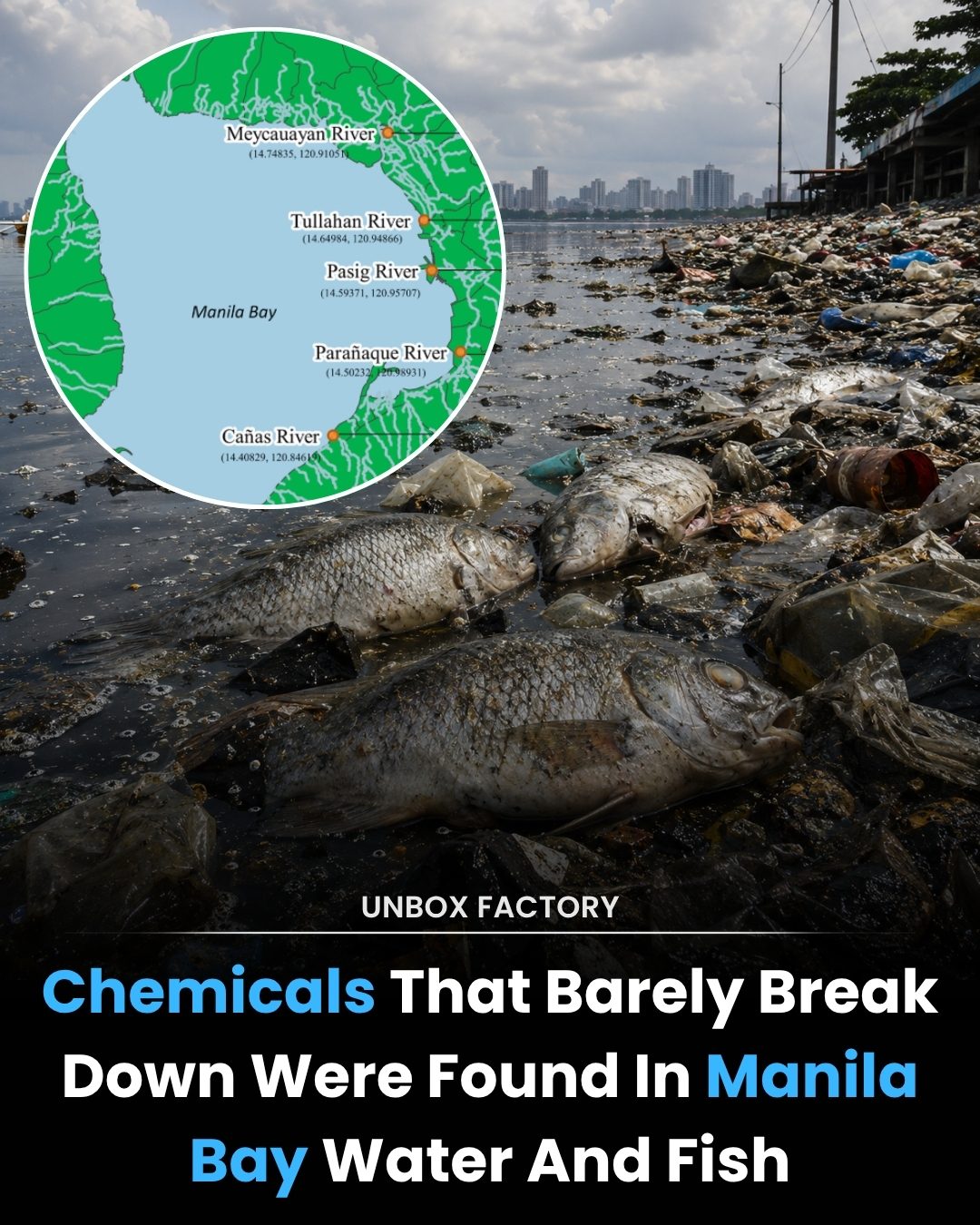
Manila Bay, a critical resource for the Philippines, faces severe environmental degradation due to PFAS pollution, whic…

The NAACP has filed a lawsuit against Elon Musk’s xAI, contesting the operation of unpermitted gas turbines at a Memphi…

Heavy Fuel Oil (HFO) is a cost-effective but highly polluting fuel used by many cargo ships. The cost to transition to…

Bumblebees, essential pollinators, accumulate heavy metals at rates up to seven times higher than honeybees, even in th…
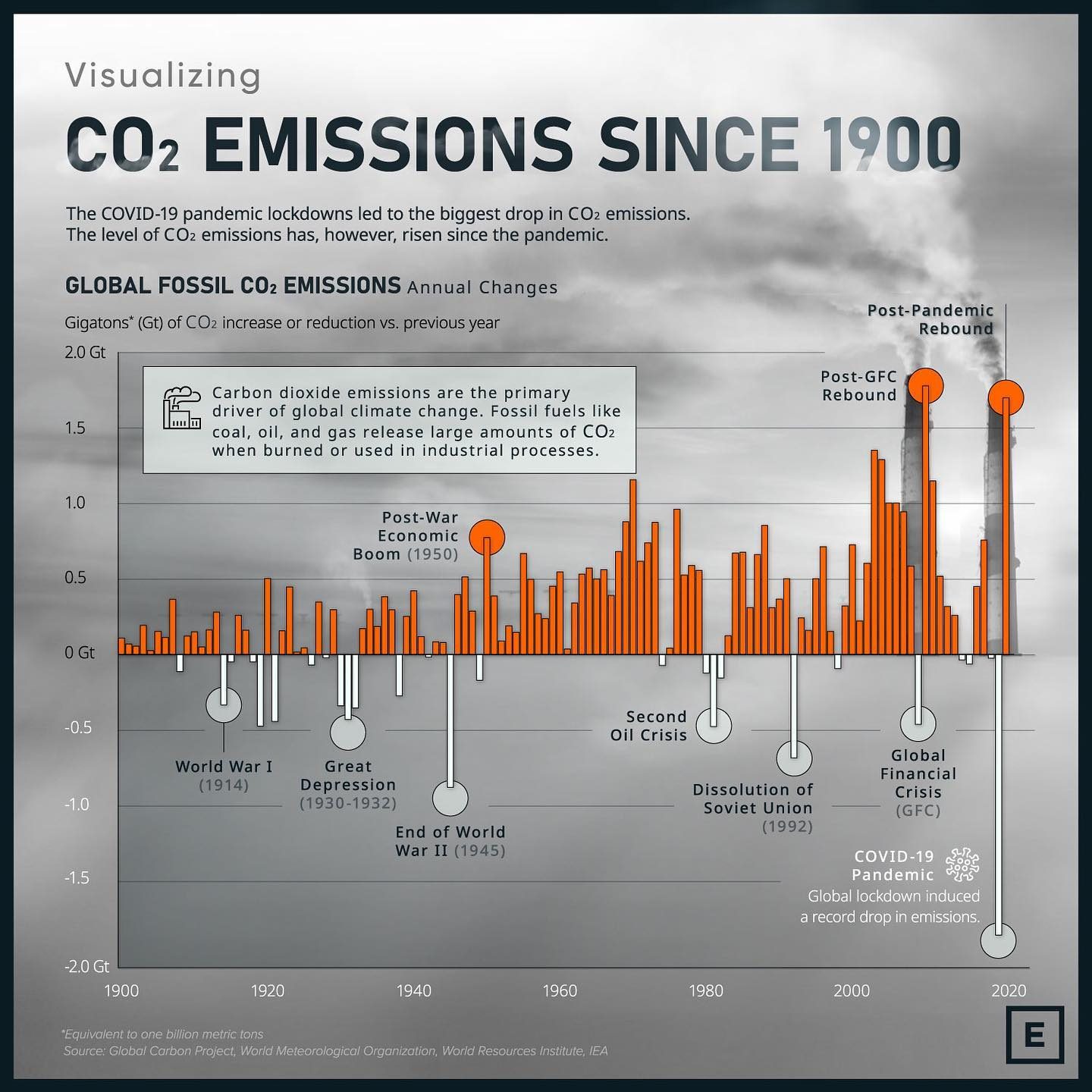
Historical events have had a profound impact on global CO2 emissions since 1900. From the industrialization and wars of…
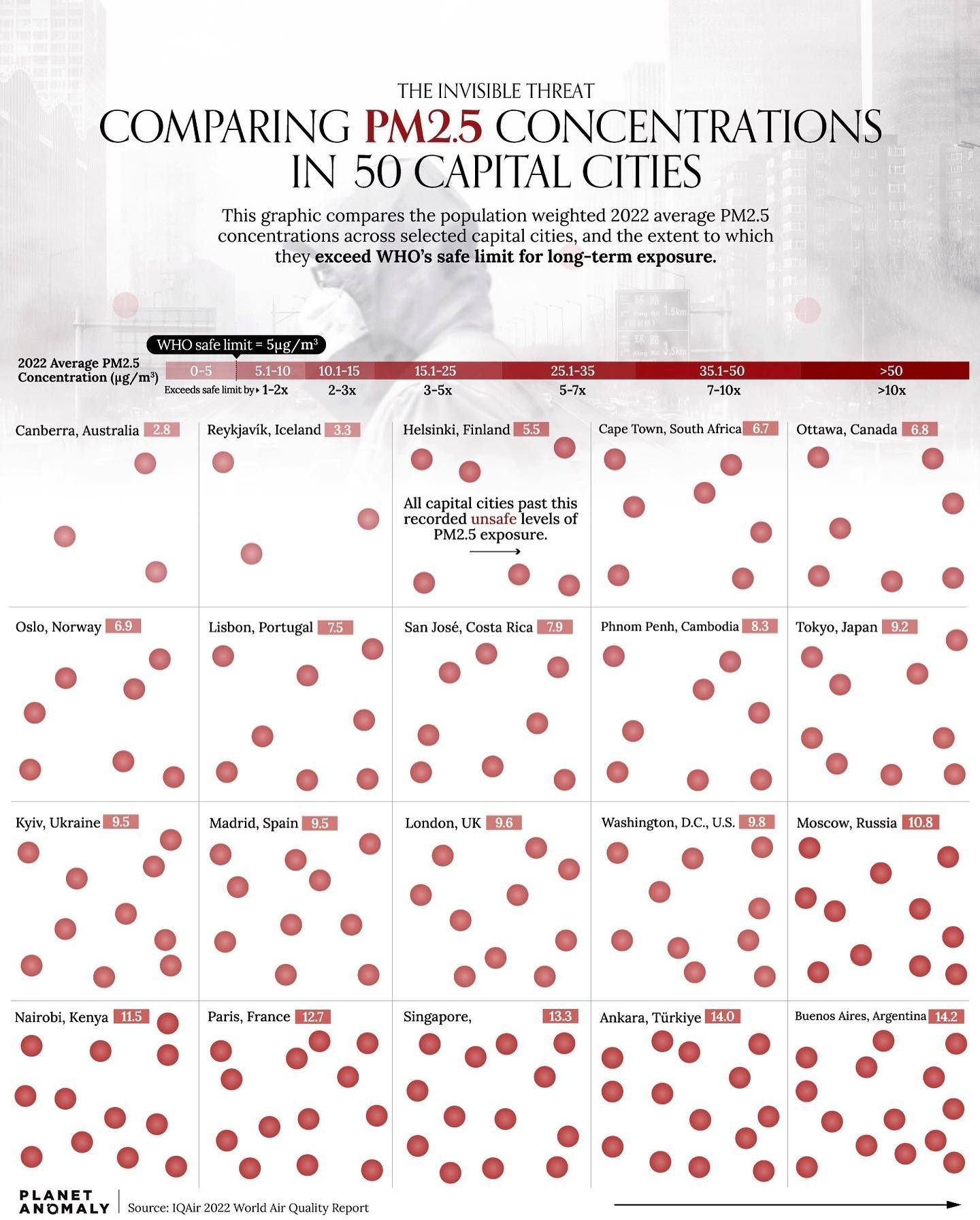
Discover how PM2.5 pollution levels vary across 50 capital cities, and learn about the severe health implications of po…
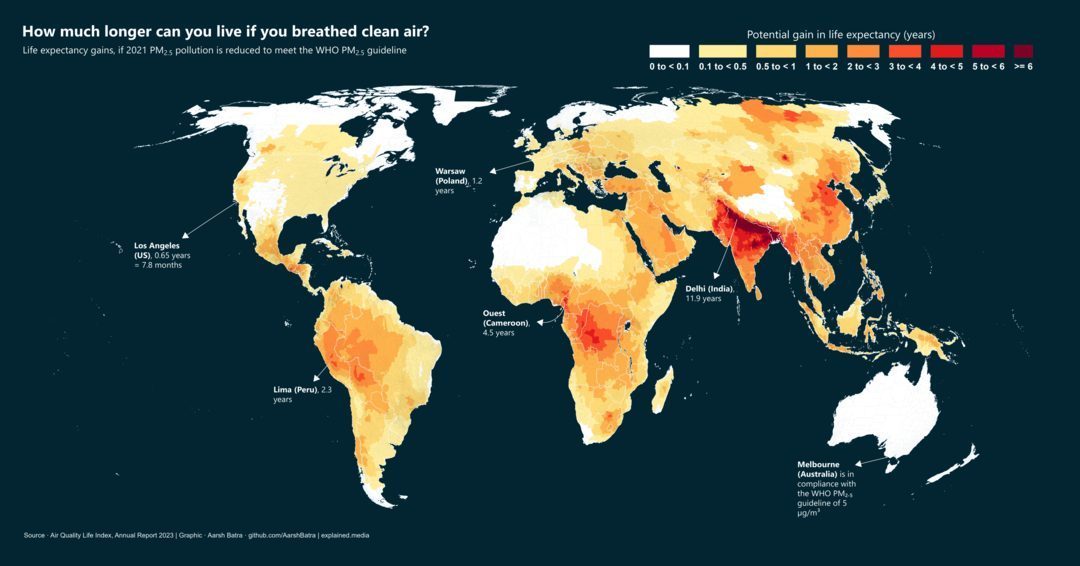
Clean air could significantly extend lifespans. Globally, reducing particulate matter pollution to WHO guidelines would…