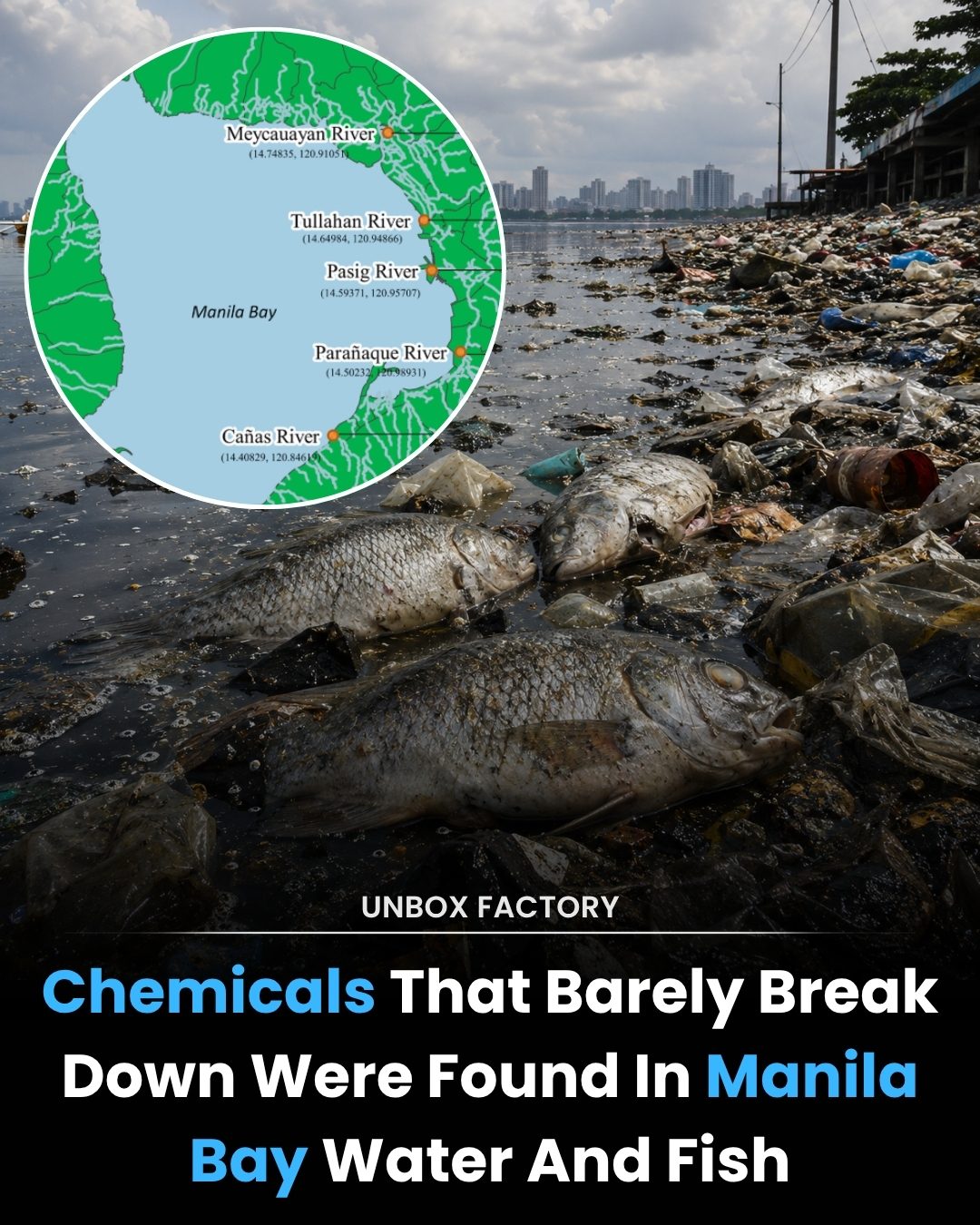
River Pollution in Manila Bay
Manila Bay, a vital ecosystem and resource for the Philippines, faces significant environmental challenges due to the persistent pollution of its waters. Recent findings have highlighted the presence of per- and polyfluoroalkyl substances (PFAS), commonly known as "forever chemicals," in both the water and fish of Manila Bay. These chemicals are a pressing concern due to their durability and the health risks they pose.
Why This Matters
The pollution of Manila Bay is not just an environmental issue; it is a public health concern. The bay serves as a critical source of livelihood and food for many communities. The detection of PFAS in its waters and marine life underscores the urgency of addressing this problem. Understanding the sources, impacts, and potential solutions to this pollution is essential for safeguarding both the ecosystem and the public health.
The Sources of PFAS Contamination
PFAS are synthetic chemicals used in various industrial and consumer products, including non-stick cookware, firefighting foam, waterproof fabrics, and food packaging. Their widespread use and durability make them a significant environmental pollutant. In Manila Bay, several rivers feed into the bay, carrying pollutants from various sources. The key rivers identified as contributors to Manila Bay's pollution include:
- Meycauayan River
- Tullahan River
- Pasig River
- Parañaque River
- Cañas River
These rivers transport pollutants from industrial and urban areas, contributing to the buildup of toxic chemicals in Manila Bay.
The Impact on Marine Life and Human Health
PFAS are known for their persistence in the environment. Once released, they can remain for decades, if not centuries, without breaking down naturally. This durability means that once PFAS enter the ecosystem, they become a long-term threat to both marine life and human health.
Marine Life
The presence of PFAS in the water and fish of Manila Bay poses a significant risk to marine life. Fish and other aquatic organisms can accumulate these chemicals in their tissues, impacting their health and reproductive capabilities. This contamination can disrupt entire food chains, affecting not only the marine ecosystem but also the communities that rely on it for sustenance.
Human Health
Long-term exposure to PFAS has been linked to various health risks, including:
- Immune system suppression: This can make individuals more susceptible to infections and diseases.
- Thyroid disorders: PFAS can interfere with thyroid function, leading to metabolic and developmental issues.
- Liver damage: Chronic exposure can cause liver inflammation and other liver-related health problems.
- Developmental problems: Prenatal and early childhood exposure to PFAS has been associated with developmental delays and behavioral issues.
- Cancer: Studies have linked PFAS exposure to an increased risk of certain types of cancer, including kidney and testicular cancer.
With PFAS now detected in drinking water, rivers, oceans, and even human blood across the world, the need for immediate action is evident.
Practical Tips
Addressing PFAS contamination in Manila Bay requires a multi-faceted approach, involving both immediate actions and long-term strategies.
Immediate Actions
- Reduce Industrial Discharges: Implement stricter regulations on industrial discharges to minimize the release of PFAS into the rivers.
- Cleanup Efforts: Organize and support community cleanup efforts to reduce the amount of debris and pollutants entering the bay.
Long-Term Strategies
- Invest in Research: Support ongoing research to better understand the sources, impacts, and potential mitigation strategies for PFAS contamination.
- Public Awareness: Raise public awareness about the dangers of PFAS and the importance of reducing their use and disposal in everyday products.
- Policy and Legislation: Advocate for policies and legislation that limit the use of PFAS in industrial and consumer products, and promote the development of safer alternatives.
- Community Engagement: Encourage community engagement and participation in monitoring and reporting pollution in local waterways.
Important Takeaways
- PFAS, or "forever chemicals," are a significant environmental and health concern in Manila Bay.
- These chemicals persist in the environment and accumulate in marine life, posing risks to both ecosystems and human health.
- Addressing PFAS contamination requires a combination of immediate actions and long-term strategies, including regulatory measures, community efforts, and public awareness campaigns.
Conclusion
The pollution of Manila Bay by PFAS is a stark reminder of the urgent need for environmental protection and public health measures. By understanding the sources and impacts of this contamination, and by taking concerted action, we can work towards a cleaner, healthier Manila Bay. This effort will not only benefit the ecosystem but also ensure the well-being of the communities that depend on it.
Watch the Reel
Questions readers ask
What are PFAS and why are they called 'forever chemicals'?
PFAS, or per- and polyfluoroalkyl substances, are a group of human-made chemicals used in various industries for their resistance to heat, oil, grease, and water. They are dubbed 'forever chemicals' because they do not break down naturally in the environment, leading to persistent pollution.
How does PFAS pollution affect Manila Bay's wildlife?
PFAS pollution in Manila Bay poses significant threats to wildlife. Marine animals, including fish, can accumulate PFAS in their tissues, leading to potential health issues and impacting the overall health of the bay's ecosystem.
What are the main sources of PFAS contamination in Manila Bay?
The primary sources of PFAS contamination in Manila Bay include industrial discharges, agricultural runoff, and improper waste disposal. These sources introduce PFAS chemicals into the bay's waterways, contributing to the overall pollution.
What are the health risks associated with PFAS exposure for communities relying on Manila Bay?
Communities that rely on Manila Bay for food and livelihood are at risk from PFAS exposure. Consuming contaminated fish and other seafood can lead to various health issues, including liver damage, immune system effects, and increased risk of certain cancers.
What measures can be taken to reduce PFAS pollution in Manila Bay?
To reduce PFAS pollution in Manila Bay, efforts should focus on stricter regulations on industrial discharges, improved waste management practices, and increased public awareness. Additionally, monitoring and clean-up efforts can help mitigate the impact of PFAS contamination.
How does PFAS pollution impact the overall quality of Manila Bay's water?
PFAS pollution significantly degrades the water quality of Manila Bay. The presence of these persistent chemicals not only affects marine life but also poses risks to human health, making the water unsafe for consumption and recreational activities.
What are the implications of PFAS contamination on the livelihoods of communities near Manila Bay?
PFAS contamination in Manila Bay threatens the livelihoods of communities that depend on the bay for fishing and tourism. Contaminated fish can lead to health issues among consumers, while reduced tourism due to environmental degradation can result in economic losses.
Related deep dives
Similar reads based on topic and creator.

Recent articles
Fresh deep dives from the latest Reels we unpacked.




Comments
Be the first to comment.