Sperm Count Decline and the Future of Reproductive Health
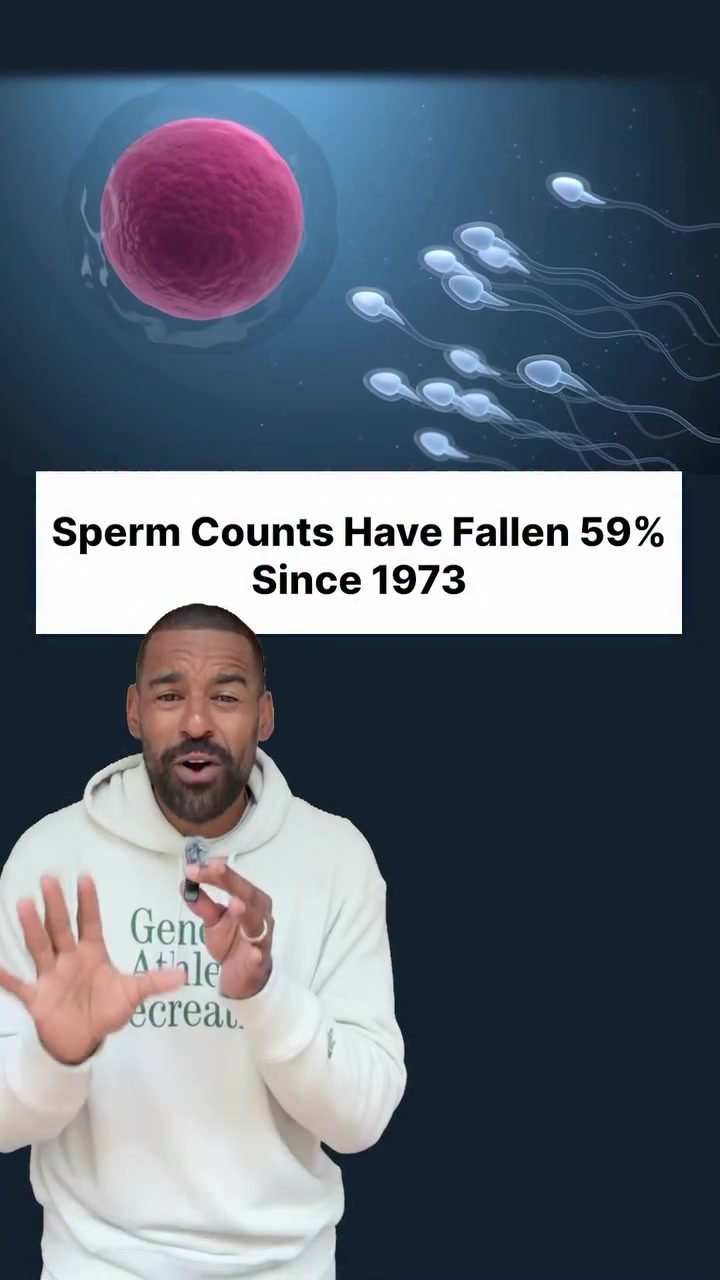
Sperm counts have been on a steady decline since 1973, with a significant 59% drop recorded over the past five decades. This alarming trend suggests that, if current rates continue, the median sperm count globally could reach zero by 2045. This is not a distant scientific projection but a trend that is already happening and accelerating, reshaping the future of human reproduction.
Why this matters
The decline in sperm counts is not just a statistic; it has real-world implications for reproductive health. Microplastics found in human semen and endocrine-disrupting chemicals in everyday plastics are among the documented causes of this decline. These factors are pushing human reproduction into uncharted territory, affecting not only individual fertility but also the broader prospects for human population growth.
Trends and breakthroughs
The alarming decline
The decline in sperm counts is staggering. A man today has 60% less sperm than his grandfather did. This dramatic shift is not just about individual health but about the future of the human population. The causes are multifaceted, including environmental pollutants and lifestyle factors that disrupt hormonal balance.
Technology's response
Technology is stepping in with two distinct approaches to address this crisis. The first approach aims to reverse the trend by leveraging advanced technologies to improve fertility outcomes. For instance, Columbia University has developed STAR, an AI system that scans billions of cells to find a single viable sperm in men with virtually no detectable sperm count. This breakthrough has already helped a couple who had been trying to conceive for 19 years finally achieve pregnancy.
AI is also making strides in scanning sperm, with systems now capable of analyzing over a million sperm cells. Additionally, the first hormone-free male birth control pill has cleared early human trials, offering a new method of contraception that could have significant implications for family planning.
Technological breakthroughs
The second approach accepts the trend and builds around it, focusing on engineering alternative paths to human reproduction. Robotic IVF systems are replicating every step of embryo creation, making the process more efficient and accessible. AI Embryo Scoring, named one of MIT's top breakthroughs of 2026, is revolutionizing the way embryos are selected for implantation. Uterine transplants have already produced over 60 healthy babies globally, offering hope to women who previously had no viable options for pregnancy.
The IVF industry is growing at a rapid pace, with a 10% annual growth rate. This growth reflects the increasing demand for assisted reproductive technologies as traditional methods become less viable due to declining sperm counts.
Research is also exploring ways to rejuvenate human eggs, which could significantly improve IVF success rates. These advances offer hope to older women seeking fertility treatment, although it may take several years before these techniques are widely approved and implemented.
Practical tips
Lifestyle changes
For individuals concerned about fertility, lifestyle changes can make a significant difference. Reducing exposure to endocrine-disrupting chemicals, maintaining a healthy diet, and avoiding environmental pollutants can help improve sperm quality and overall reproductive health.
Staying informed
Keeping up with the latest advancements in reproductive technology can provide hope and new options for those struggling with fertility issues. Following updates from reputable sources and healthcare providers can help individuals stay informed about new treatments and technologies.
Important takeaways
The decline in sperm counts is a pressing issue that requires urgent attention. While the causes are complex and multifaceted, technology is offering innovative solutions that can help mitigate the impact. From AI-driven fertility treatments to alternative reproductive technologies, the future of human reproduction is being reshaped by advancements in science and technology.
Even so, preventing the decline by addressing the root causes through lifestyle changes and environmental policies remains crucial. By taking proactive steps and staying informed about the latest breakthroughs, individuals and society as a whole can better navigate the challenges posed by declining sperm counts.
Conclusion
The decline in sperm counts is a stark reminder of the need to prioritize reproductive health. While technology offers promising solutions, addressing the underlying causes and staying informed about new advancements are essential steps in ensuring a future where human reproduction can continue to thrive. By embracing these changes and leveraging the power of technology, we can work towards a world where reproductive health is a priority, and innovative solutions are within reach.
Watch the Reel
Questions readers ask
What are the primary causes of the global decline in sperm counts?
The primary causes of the global decline in sperm counts include environmental pollutants, such as endocrine-disrupting chemicals found in plastics, and lifestyle factors. These pollutants interfere with hormone function, negatively impacting sperm production and quality. Changes in diet, physical activity levels, and exposure to toxins also contribute to this trend.
How does the decline in sperm counts affect human reproduction?
The decline in sperm counts poses significant challenges to human reproduction. Lower sperm counts can reduce the chances of natural conception, leading to increased difficulties in achieving pregnancy. This trend may also lead to a rise in infertility cases, necessitating the use of assisted reproductive technologies like IVF.
What implications does the declining sperm count have on future population growth?
If current trends continue, the global median sperm count could reach zero by 2045, which could significantly impact future population growth. This decline may lead to lower birth rates, potentially affecting the future demographic landscape and societal structures. It could also strain healthcare systems as more couples seek fertility treatments.
How can environmental pollutants affect sperm count?
Environmental pollutants, such as microplastics and endocrine-disrupting chemicals, can interfere with hormone regulation in the body, including testosterone production. These chemicals can disrupt the production and maturation of sperm, leading to lower sperm counts and reduced fertility. Limiting exposure to these pollutants is crucial for maintaining reproductive health.
Are there any lifestyle changes that can help prevent further decline in sperm counts?
Yes, adopting healthier lifestyles can help mitigate the decline in sperm counts. This includes maintaining a balanced diet, regular exercise, avoiding excessive alcohol and tobacco use, and reducing exposure to environmental pollutants. Additionally, reducing stress and maintaining a healthy weight can contribute to better reproductive health.
Can reproductive technologies help overcome the challenges posed by low sperm counts?
Yes, reproductive technologies like In Vitro Fertilization (IVF) and Intrauterine Insemination (IUI) can help couples overcome the challenges of low sperm counts. These technologies can increase the chances of conception by directly introducing sperm into the female reproductive tract or fertilizing the egg outside the body. However, they may not be accessible or affordable for everyone.
What measures can be taken to prevent further decline in sperm counts globally?
To prevent further decline in sperm counts, global efforts should focus on reducing exposure to environmental pollutants, especially endocrine-disrupting chemicals. Governments and industries need to implement stricter regulations on the use and disposal of plastics. Public awareness campaigns about the impact of lifestyle choices on reproductive health can also encourage positive changes in behavior.
Related deep dives
Similar reads based on topic and creator.




Recent articles
Fresh deep dives from the latest Reels we unpacked.




Comments
Be the first to comment.