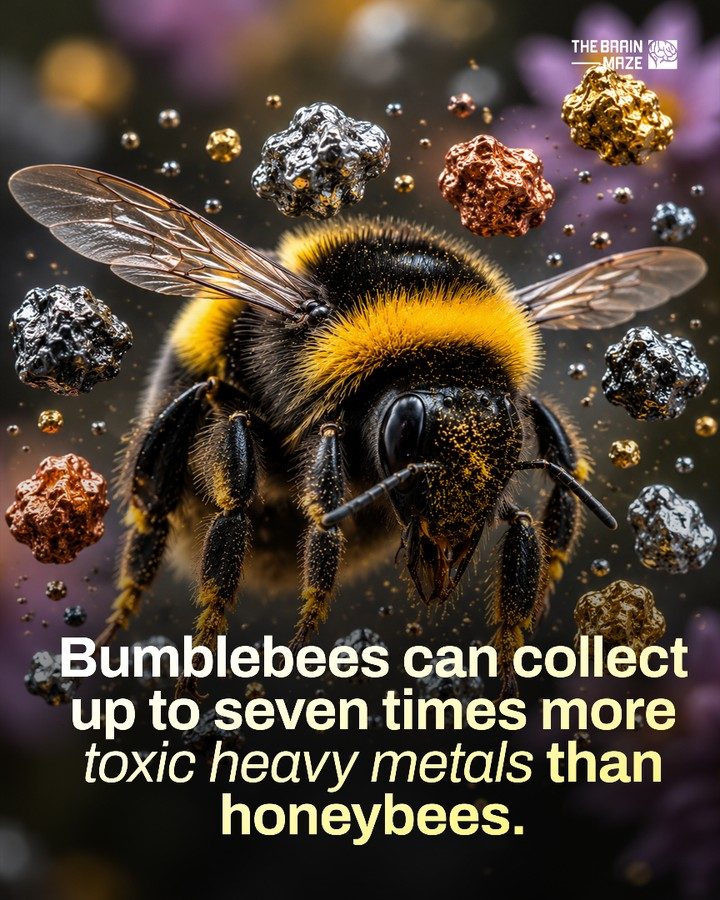
Bumblebees and Heavy Metal Accumulation
The ability of bumblebees to accumulate heavy metals at alarming rates compared to honeybees is a critical environmental concern. Bumblebees can gather up to seven times more toxic heavy metals than honeybees, even when foraging in the same rural areas. This disparity raises significant questions about the long-term health impacts on these essential pollinators.
Context / Why This Matters
Pollinators, including bumblebees and honeybees, play a vital role in maintaining ecosystem balance and ensuring food security. Their ability to pollinate crops and wild plants is crucial for biodiversity and agricultural productivity. Understanding how environmental pollutants affect these insects is essential for preserving their populations and the services they provide.
Heavy metals such as lead, mercury, and cadmium are common environmental pollutants that can be toxic to various organisms, including bees. These metals can enter the environment through industrial activities, agricultural practices, and natural weathering of minerals. Once in the environment, they can be absorbed by plants and subsequently ingested by foraging bees.
Main Discussion
Heavy Metal Accumulation in Bumblebees
Bumblebees' higher capacity to accumulate heavy metals compared to honeybees is a puzzling phenomenon. Research from the University of Cambridge indicates that this difference may be due to variations in their foraging behaviors, metabolic processes, and physiological responses to pollutants.
Foraging Behaviors
Bumblebees and honeybees have distinct foraging strategies. Bumblebees are known for their ability to forage in cooler temperatures and at higher altitudes, making them more susceptible to environmental pollutants in these areas. Honeybees, on the other hand, tend to forage in warmer, more controlled environments, which may reduce their exposure to heavy metals.
Metabolic Processes
The metabolic rates and detoxification mechanisms of bumblebees and honeybees differ significantly. Bumblebees may have less efficient detoxification processes, leading to higher accumulation of heavy metals in their bodies. This could be due to their smaller body size and higher metabolic rate, which might make it more challenging for them to expel toxins.
Physiological Responses
The physiological responses of bumblebees to heavy metal exposure are still not fully understood. However, studies suggest that prolonged exposure to these toxins can impair various physiological functions, including navigation, reproduction, and overall colony health. This impairment can have cascading effects on the ecosystem, as bumblebees play a crucial role in pollinating many plant species.
Long-Term Impacts on Bumblebee Health
Long-term exposure to heavy metals can have severe consequences for bumblebee colonies. Although the immediate effects of metal accumulation may not be lethal, chronic exposure can lead to several health issues.
Impaired Navigation
Heavy metals can interfere with the neurological systems of bumblebees, affecting their ability to navigate and find food sources. This impairment can reduce their foraging efficiency and, consequently, their ability to support the colony.
Reduced Reproduction
Exposure to heavy metals can also impact the reproductive health of bumblebees. Toxins can affect the development of larvae and the fertility of adult bees, leading to a decline in colony size and productivity.
Colony Health
The overall health of a bumblebee colony is a delicate balance of various factors, including the health of individual bees and their ability to perform essential tasks. Heavy metal accumulation can disrupt this balance, leading to a decline in colony health and, ultimately, its collapse.
Practical Tips
Reducing Heavy Metal Exposure
While it is challenging to eliminate heavy metal contamination from the environment, there are several practical steps that can be taken to reduce the impact on bumblebees.
limit Use of Pesticides
Pesticides containing heavy metals should be limited to protect bumblebees. Opt for organic and natural alternatives that do not contain harmful pollutants. Even if pesticides are necessary, choose pesticides with the lowest environmental impact.
Restore Natural Habitats
Creating and restoring natural habitats can help reduce bumblebees' exposure to heavy metals. Planting native flowers and shrubs, and removing invasive species can enhance the health of bumblebee populations.
Monitor Environmental Pollutants
Regular monitoring of environmental pollutants in areas where bumblebees are active can help identify potential health risks. This information can be used to develop strategies for reducing exposure and protecting bumblebee populations.
Important Takeaways
- Bumblebees Accumulate More Heavy Metals: Bumblebees can accumulate up to seven times more toxic heavy metals than honeybees, even when foraging in the same areas.
- Environmental Impact: Long-term exposure to heavy metals can impair bumblebees' navigation, reproduction, and colony health.
- Eco-System Balance: Pollinators are crucial for ecosystem balance and food security.
- Mitigation Steps: Reducing the use of pesticides, restoring natural habitats, and monitoring environmental pollutants can help reduce the impact of heavy metals on bumblebees.
Conclusion
The ability of bumblebees to accumulate higher levels of heavy metals than honeybees is a significant environmental concern. Understanding this phenomenon and its long-term impacts on bumblebee health is crucial for preserving these vital pollinators. By taking practical steps to reduce heavy metal exposure and protect natural habitats, we can help ensure the continued health and productivity of bumblebee populations. These efforts are essential for maintaining the delicate balance of ecosystems and ensuring the availability of pollinating services that support both agriculture and biodiversity.
Watch the Reel
Questions readers ask
Why do bumblebees accumulate more heavy metals than honeybees?
Bumblebees accumulate more heavy metals due to their unique foraging behaviors and metabolic processes. Their foraging patterns and the plants they visit can expose them to higher concentrations of toxins. Additionally, their metabolic processes may not eliminate heavy metals as efficiently as those of honeybees.
What are the health impacts of heavy metal accumulation on bumblebees?
Heavy metal accumulation can lead to various health issues in bumblebees, including reduced lifespan, impaired reproduction, and weakened immune systems. These effects can significantly impact the health of bumblebee colonies and their ability to support ecosystems and agriculture.
How does heavy metal accumulation in bumblebees affect ecosystems?
Bumblebees are essential pollinators, and their high accumulation of heavy metals can disrupt the delicate balance of ecosystems. This can lead to reduced pollination services, decreased plant diversity, and potential food security issues for both humans and wildlife.
What are the key differences in foraging behaviors between bumblebees and honeybees?
Bumblebees and honeybees have distinct foraging behaviors. Bumblebees tend to forage over shorter distances but visit a wider variety of flowers, which can increase their exposure to heavy metals. In contrast, honeybees often forage over longer distances and may have more consistent foraging patterns, which can limit their exposure to toxic substances.
What steps can be taken to mitigate heavy metal exposure in bumblebees?
Reducing heavy metal exposure in bumblebees involves several strategies, including minimizing the use of pesticides and fertilizers that contain heavy metals, promoting diverse and healthy plant habitats, and implementing strict regulatory measures to control industrial emissions and runoff. Additionally, creating more pollinator-friendly landscapes can help bumblebees thrive despite environmental challenges.
Are there ongoing studies on the impact of heavy metals on bumblebees?
Yes, there are ongoing studies focusing on how heavy metals affect bumblebees. Researchers are investigating the specific mechanisms of heavy metal accumulation, the long-term effects on bumblebee health, and potential strategies to mitigate these impacts. Collaborations between scientists, conservationists, and policymakers are crucial for addressing this issue and ensuring the well-being of these important pollinators.
Related deep dives
Similar reads based on topic and creator.



Recent articles
Fresh deep dives from the latest Reels we unpacked.




Comments
Be the first to comment.