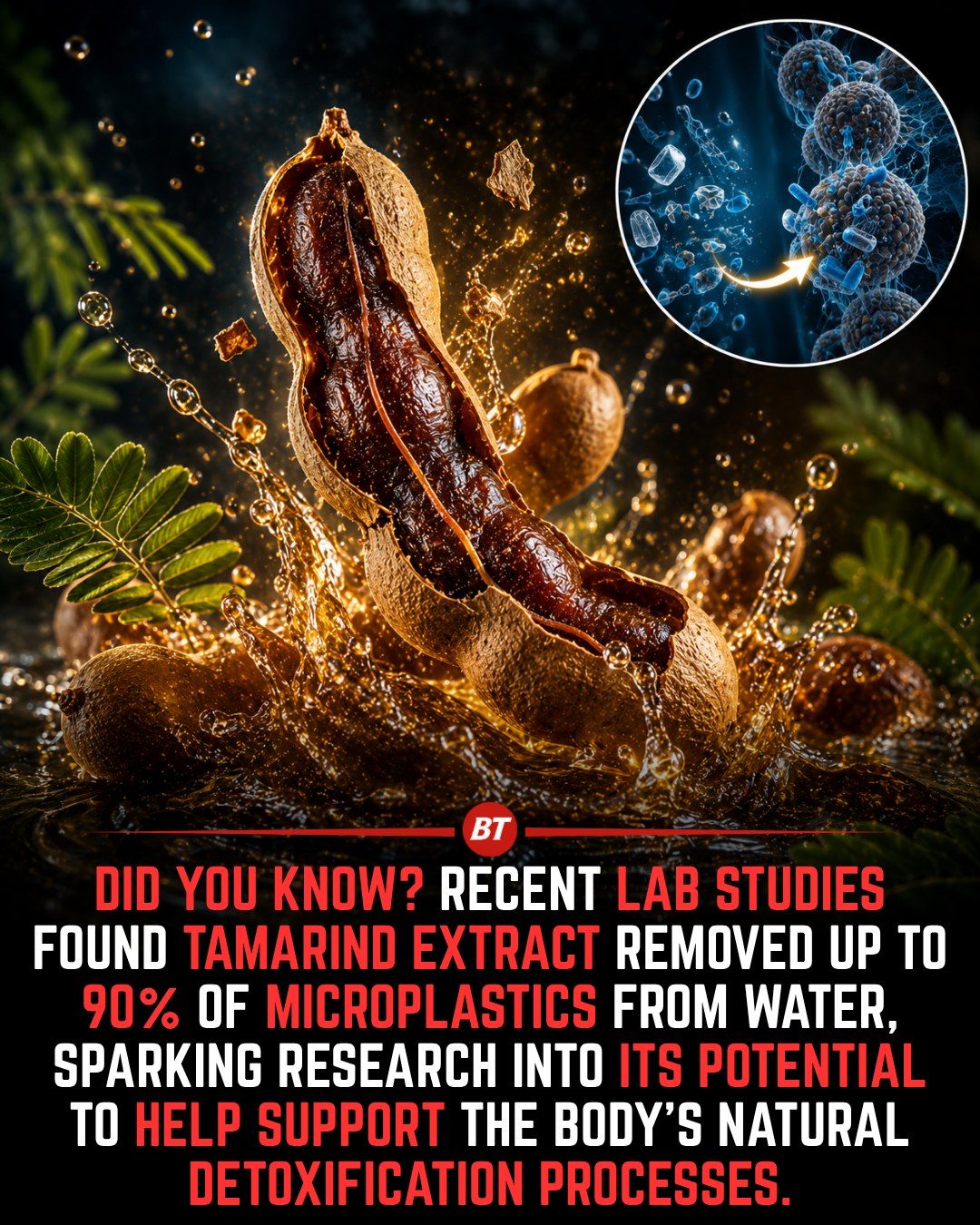
Tamarind Extract: A Natural Solution for Microplastics and Potential Health Benefits
Tamarind, a common tropical fruit, has recently garnered attention for its surprising properties in microplastic removal and potential health benefits. This fruit, widely used in traditional cuisines and herbal practices, has shown promising results in laboratory studies, indicating its ability to bind to and remove microplastics from water. Furthermore, scientists are exploring whether tamarind's natural compounds could support the body's natural detoxification processes.
Why This Matters
Microplastics, tiny plastic particles less than five millimeters in size, are an increasingly concerning environmental issue. They are found in various water sources, posing significant threats to marine life and human health. The discovery of tamarind extract's ability to remove up to 90% of microplastics from water under controlled laboratory conditions opens up new possibilities for natural, bio-based water purification methods and environmental applications.
Main Discussion
The Science Behind Tamarind's Microplastic Removal
Tamarind extract contains natural polysaccharides and plant compounds that are believed to trap microplastic particles. These compounds cause the tiny plastic particles to clump together, making them easier to separate from the water. This clumping mechanism is a result of the extract's ability to bind to the microplastics, effectively reducing their presence in the water.
Environmental and Health Applications
The potential of tamarind extract in water purification is immense. Scientists are exploring its use in natural bio-based materials for water treatment and environmental cleanup. The ability of tamarind to remove microplastics from water suggests it could be a valuable tool in reducing plastic pollution in aquatic environments.
Moreover, researchers are now investigating whether tamarind's binding properties could have implications for supporting the body's natural detoxification systems. However, it is crucial to note that this research is still in its early stages, and more studies are needed to confirm these potential health benefits.
Traditional Uses and Nutritional Value
Beyond its potential in microplastic removal and detoxification, tamarind is a nutrient-rich fruit. It is high in polyphenols, potassium, magnesium, fiber, and antioxidant compounds, all of which contribute to overall health. Tamarind has been a staple in traditional cuisines and herbal practices around the world, valued for its sweet-tart flavor and health benefits.
Practical Tips
Here are ways to incorporate tamarind into your diet while scientists continue to explore its fascinating properties:
1. Use in Cooking
Tamarind pulp can be used in a variety of dishes, including curries, marinades, sauces, and soups. Its distinctive flavor adds a unique twist to recipes and enhances their nutritional value.
2. Refreshing Drinks
Tamarind drinks are popular in many cultures. You can make a refreshing tamarind beverage by mixing tamarind pulp with water, sugar, and sometimes a pinch of salt. This drink not only quenches thirst but also provides essential nutrients.
3. Hair and Skin Benefits
Tamarind is known for its benefits to hair and skin health. It is often used in beauty and hair care products for its moisturizing and nourishing properties. Tamarind paste can be applied to the skin or hair to promote health and vitality.
Important Takeaways
The discovery of tamarind extract's ability to remove microplastics from water represents a significant breakthrough in environmental science. This natural, bio-based material offers a promising solution to the growing problem of plastic pollution. Additionally, the potential health benefits of tamarind, particularly in supporting the body's natural detoxification processes, are areas of ongoing research that could have far-reaching implications for human health.
Conclusion
Tamarind extract's potential in microplastic removal and possible health benefits make it a valuable subject of scientific inquiry. While more research is needed to fully understand and harness these properties, the current findings are encouraging. Incorporating tamarind into your diet not only adds a delightful flavor but also provides essential nutrients, making it a versatile and beneficial addition to your meals.
Watch the Reel
Questions readers ask
What makes tamarind an effective agent for microplastic removal in water?
Tamarind contains natural compounds that can bind and clump together microplastics. This process makes it easier to remove these tiny plastic particles from water, providing a promising bio-based solution to plastic pollution.
How does tamarind support the body's natural detoxification processes?
Tamarind's natural compounds may help support the body's natural detoxification processes. They can potentially bind to harmful substances and aid in their elimination from the body.
What are the key benefits of using tamarind for water purification?
Tamarind offers a natural and sustainable method for water purification. Its ability to remove microplastics and potential toxins makes it a valuable resource for improving water quality and reducing plastic pollution.
Why is tamarind a promising solution for addressing microplastic pollution?
Tamarind's effectiveness in binding and removing microplastics from water makes it a promising bio-based solution. It provides an eco-friendly alternative to traditional water treatment methods, which often rely on harsh chemicals.
What are the implications of microplastics in water for marine life?
Microplastics in water pose significant threats to marine life. These tiny particles can be ingested by marine organisms, leading to potential health issues and disruptions in the ecosystem.
What role do tamarind's natural compounds play in microplastic removal and health benefits?
Tamarind's natural compounds are crucial for both microplastic removal and potential health benefits. They bind to microplastics, aiding in their removal from water, and may also support the body's natural processes for eliminating harmful substances.
Recent articles
Fresh deep dives from the latest Reels we unpacked.




Comments
Be the first to comment.