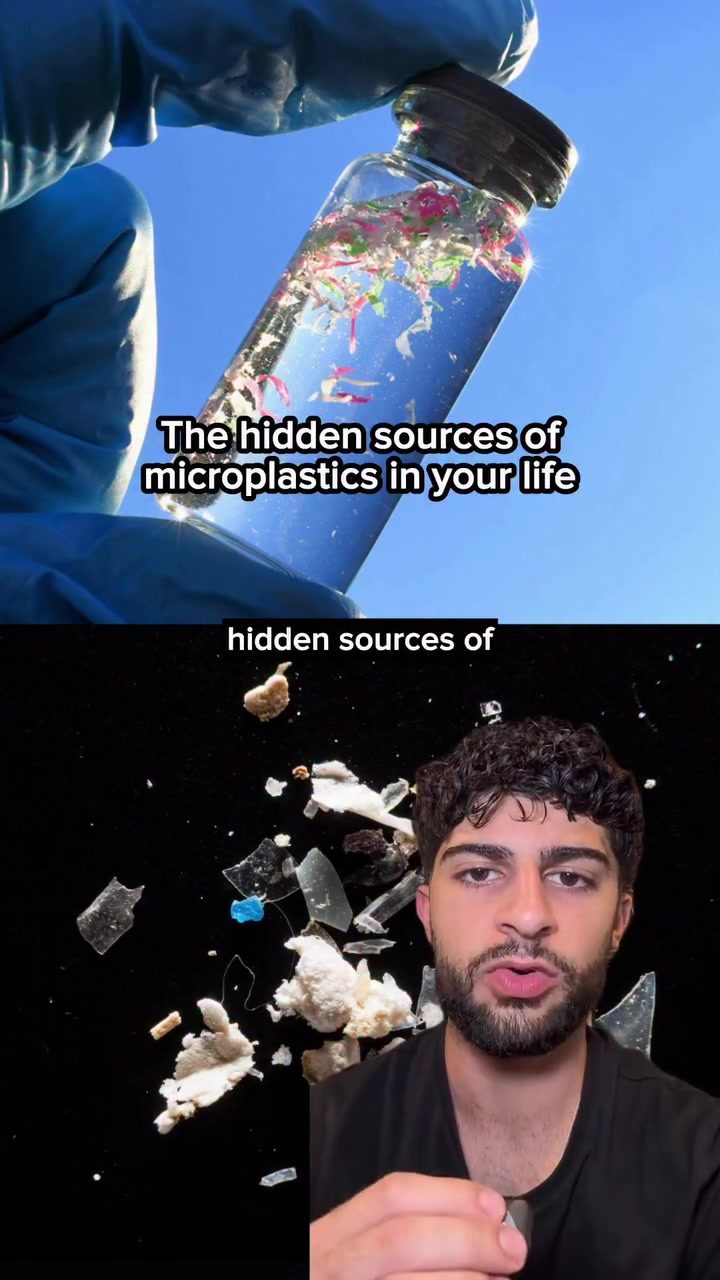
Microplastics are ubiquitous in modern life, infiltrating everyday products and posing potential health risks. A study conducted in 2018 at UEG Week in Vienna revealed that microplastics are present in 100% of human stool samples tested, with approximately 20 particles per 10 grams. These plastics, including types like PP and PET, enter the human gut through food and packaging, raising concerns about their impact on health.
Context
Why This Matters
The prevalence of microplastics in everyday life is alarming. These tiny particles, often less than 5 millimeters in size, come from the breakdown of larger plastic items and are found in various products and environments. Understanding the sources of microplastics is crucial for mitigating their potential health impacts, which include inflammation, hormone disruption, oxidative stress, cardiovascular disease, fertility issues, and metabolic disorders.
Main Discussion
Hidden Sources of Microplastics in Daily Life
Microplastics are present in many common items, often in ways that are not immediately apparent. Here are some of the hidden sources:
Chewing Gum
Chewing gum contains synthetic polymers that release microplastics every time you chew. These tiny particles can enter your body directly through the mouth, posing a potential health risk.
Coffee Makers
Many coffee makers, such as those from the Mr. Coffee brand, have plastic components through which hot water passes. This process can release microplastics into the coffee, contaminating your beverage.
Toothbrushes
Toothbrushes with plastic bristles can shed microplastics into your mouth each time you brush your teeth. This is a less obvious but significant source of microplastic ingestion.
Non-Stick Cookware
Teflon pans and other non-stick cookware can release microplastics into your food, especially when the surface is scratched or damaged. The heating process can accelerate the release of these particles.
Canned Foods
The inside of many cans is lined with a plastic-based coating to prevent corrosion and extend shelf life. However, this coating can flake off and enter the food, contributing to microplastic ingestion.
Microplastics from Clothing
Synthetic fabrics, such as those found in a Gymshark sweatshirt, release microplastic fibers every time they are worn or washed. These fibers can enter the water system and contribute to environmental pollution.
Practical Tips
Reducing Microplastic Exposure
To reduce your exposure to microplastics, consider the following tips:
Choose ECO-Friendly Products
Opt for products that are free from synthetic polymers and plastic components. Look for natural alternatives to chewing gum, such as natural gum or seeds.
Use Glass or Stainless Steel
Replace plastic coffee makers with glass or stainless steel alternatives. This can help reduce the amount of microplastics that enter your coffee.
Select Natural Bristle Toothbrushes
Choose toothbrushes with natural bristles, such as those made from bamboo or boar hair. These options are more eco-friendly and less likely to release microplastics.
Opt for Non-Stick Alternatives
Consider using cast-iron or ceramic cookware instead of non-stick pans. These materials are less likely to release microplastics into your food.
Limit Canned Goods
Reduce your consumption of canned foods and opt for fresh or frozen alternatives. If you do use canned goods, choose brands that use BPA-free linings.
Wash Synthetic Clothes Less Frequently
To minimize the release of microplastic fibers from synthetic clothing, wash these items less frequently. Use a microplastic filter bag when washing to capture any released fibers.
Important Takeaways
Awareness and Action
Microplastics are a pervasive issue in modern life, but awareness and action can help mitigate their impact. By understanding the hidden sources of microplastics and taking practical steps to reduce exposure, individuals can protect their health and the environment.
The Need for Policy and Industry Changes
While individual actions are important, broader policy and industry changes are essential to address the microplastics crisis. Governments and manufacturers need to prioritize eco-friendly materials and sustainable practices to reduce the prevalence of microplastics in products and the environment.
Conclusion
Microplastics pose a significant threat to human health and the environment, making it crucial to identify and address their sources. By choosing eco-friendly products, using non-plastic alternatives, and washing synthetic clothing carefully, individuals can reduce their exposure to microplastics and contribute to a cleaner, healthier future.
Watch the Reel
Questions readers ask
What are the most common sources of microplastics in food and drinks?
Microplastics can be found in various food and drinks due to packaging, processing, and contamination. Common sources include plastic packaging, plastic utensils, and even coffee makers, which can release microplastics into beverages. Additionally, synthetic fibers from clothing and other textiles can shed microplastics during washing, contaminating food and water.
Can microplastics from daily items affect my health?
Yes, microplastics from everyday items can potentially affect your health. Ingestion of microplastics has been linked to inflammation and cardiovascular disease. Reducing exposure to these tiny particles can help mitigate these risks.
How do microplastics end up in chewing gum?
Chewing gum often contains synthetic fibers and other plastic additives which are used as binding agents. Over time, these plastics can break down into microplastics, which are then ingested when the gum is chewed.
What types of plastics are commonly found in the human gut?
Research has shown that various types of microplastics, including PP (polypropylene) and PET (polyethylene terephthalate), are commonly found in the human gut. These plastics enter the body through food and packaging, posing potential health risks.
How can I reduce my exposure to microplastics in everyday life?
To reduce your exposure to microplastics, opt for products with minimal plastic packaging, use reusable containers, and avoid heating food in plastic containers. Additionally, consider using a water filter to reduce microplastic contamination and be mindful of synthetic fibers that can shed microplastics during washing.
Are there any health risks associated with synthetic fibers and microplastics?
Synthetic fibers, which are commonly used in clothing and textiles, can shed microplastics during washing. This contributes to microplastic pollution and poses potential health risks. These microplastics can enter the human body through ingestion and inhalation, potentially leading to various health issues.
Recent articles
Fresh deep dives from the latest Reels we unpacked.




Comments
Be the first to comment.