Wildlife Populations: The Alarming Decline and Its Causes
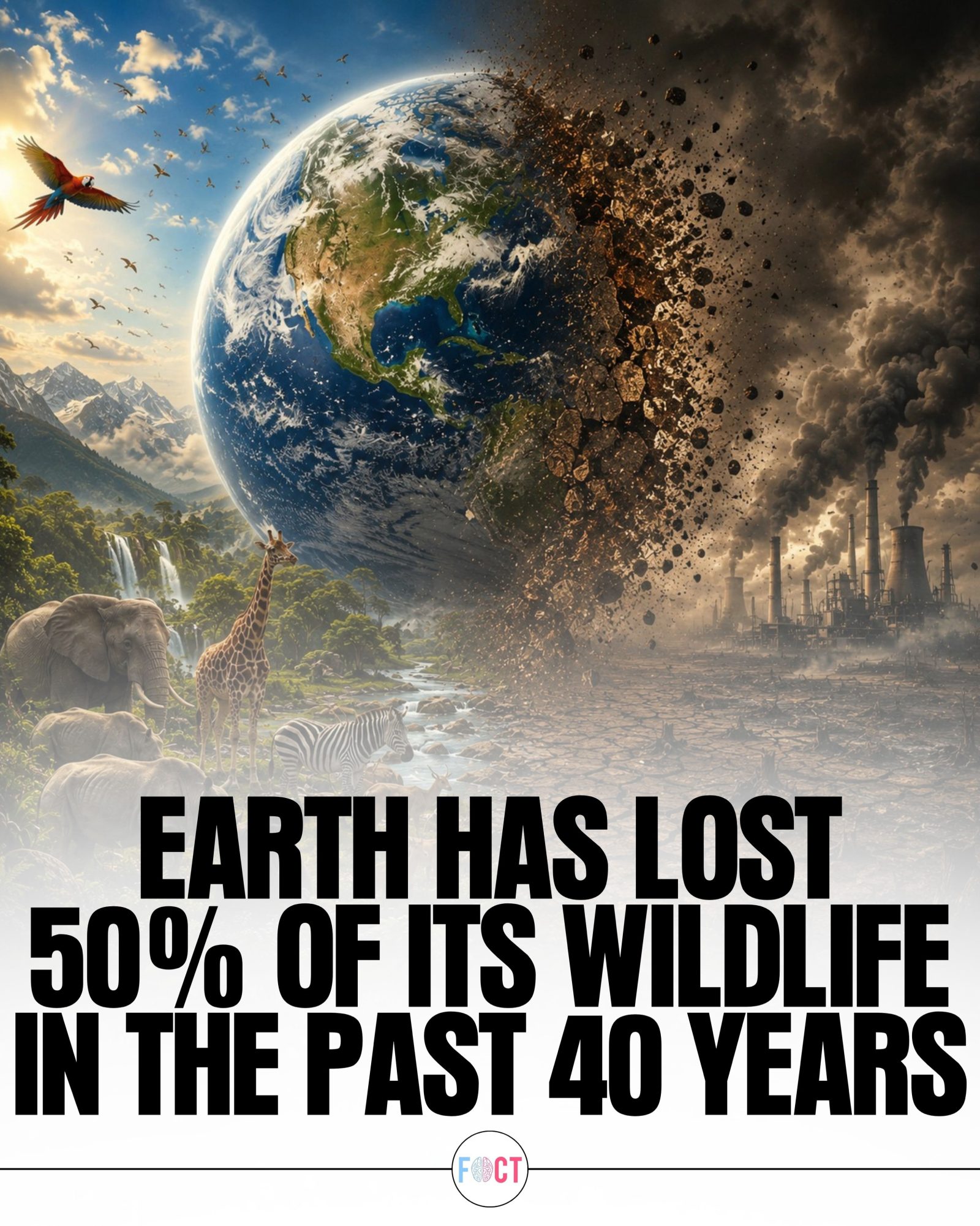
A stark image of environmental degradation shows us what has been happening to Earth’s wildlife. Half the wildlife on Earth hasn't vanished, but the populations have decreased dramatically within a single lifetime. According to the World Wildlife Fund’s Living Planet Report, the average size of monitored wildlife populations has fallen by roughly 70% since 1970. This decline does not indicate that 70% of species have gone extinct; rather, it means that many populations now contain far fewer animals than they once did.
Why This Matters
Understanding the reasons behind this decline is crucial. The biggest driver is habitat loss, caused by agriculture, urban expansion, and resource extraction. Freshwater ecosystems have been hit especially hard, with some studies finding declines of more than 80% in monitored freshwater vertebrate populations. The loss of wildlife is not just an environmental issue; it affects human health, economies, and the overall stability of ecosystems.
The Causes of Wildlife Decline
Habitat Loss
The most significant factor contributing to the decline in wildlife populations is habitat loss. Agriculture, urban expansion, and resource extraction are primary culprits. These activities destroy natural habitats, leaving wildlife with fewer places to live, feed, and breed. Deforestation, in particular, has led to the destruction of vast tracts of forest, which are home to many species.
Pollution
Pollution is another major threat to wildlife. Industrial activities, such as factories emitting smoke and debris, contaminate the environment. This pollution affects air, water, and soil quality, making it difficult for wildlife to survive. Chemical pollutants can enter the food chain, affecting not only wildlife but also humans who consume contaminated food.
Climate Change
Climate change exacerbates the challenges faced by wildlife. Rising temperatures, changing precipitation patterns, and extreme weather events disrupt ecosystems. Many species struggle to adapt to these rapid changes, leading to declines in their populations. For example, polar bears and penguins are at risk due to melting sea ice, while coral reefs are bleaching due to warmer ocean temperatures.
Over-exploitation
Over-exploitation of wildlife resources, such as hunting, fishing, and harvesting, also contributes to population declines. Many species are hunted for their meat, fur, or other products, leading to a significant reduction in their numbers. Unsustainable fishing practices deplete fish populations, disrupting marine ecosystems.
Practical Tips for Conservation
Protect and Restore Habitats
Efforts to protect and restore habitats are essential. This can be achieved through reforestation, creating protected areas, and promoting sustainable land use practices. Governments, non-profit organizations, and individuals can all play a role in preserving habitats.
Reduce Pollution
Reducing pollution is crucial for wildlife conservation. This involves regulating industrial activities, promoting cleaner technologies, and encouraging recycling and waste reduction. Individuals can also contribute by reducing their carbon footprint and using eco-friendly products.
Combat Climate Change
Combating climate change is vital for wildlife survival. This requires global efforts to reduce greenhouse gas emissions, transition to renewable energy, and promote energy efficiency. Supporting policies and initiatives aimed at mitigating climate change can make a significant difference.
Promote Sustainable Practices
Promoting sustainable practices in industries such as agriculture, fishing, and forestry can help protect wildlife. This includes adopting methods that minimize environmental impact and support biodiversity. Sustainable agriculture, for example, can reduce habitat loss and preserve natural ecosystems.
Important Takeaways
The alarming decline in wildlife populations serves as a stark reminder of the urgent need for action. Human activities are significantly impacting the environment, leading to habitat loss, pollution, and climate change. Protecting and restoring habitats, reducing pollution, combating climate change, and promoting sustainable practices are essential steps towards reversing this trend.
Conclusion
The loss of wildlife populations is a critical issue that affects us all. It is not just about the decline in numbers; it is about the broader implications for ecosystems, human health, and economic stability. Addressing habitat loss, pollution, climate change, and over-exploitation are crucial steps towards conserving wildlife. By taking action, we can ensure a healthier planet for future generations.
Watch the Reel
Questions readers ask
What does the 70% decline in wildlife populations mean?
The 70% decline means that the average size of monitored wildlife populations has decreased significantly since 1970. It does not indicate that 70% of species have gone extinct, but rather that many species now have far fewer individuals than they did in the past.
What are the primary causes of the decline in wildlife populations?
The main drivers behind the decline in wildlife populations are habitat loss, pollution, and climate change. These factors have led to a significant reduction in the number of animals in many species.
How does habitat loss contribute to the decline in wildlife populations?
Habitat loss, primarily caused by human activities such as agriculture, urban expansion, and resource extraction, forces wildlife to live in smaller, fragmented habitats. This makes it harder for animals to find food, shelter, and mating partners, leading to a decrease in population sizes.
What role does climate change play in the decline of wildlife populations?
Climate change affects wildlife populations by altering habitats and ecosystems, making them less suitable for certain species. Changes in temperature, precipitation, and sea levels can disrupt food chains, cause habitat loss, and make it difficult for species to adapt, leading to population declines.
Why are freshwater wildlife populations declining at a faster rate?
Freshwater wildlife populations are declining rapidly due to increased pollution, habitat destruction, and climate change. Freshwater ecosystems, which cover only a small fraction of the Earth's surface, are particularly vulnerable to human impacts, making them hotspots for wildlife decline.
How can wildlife conservation efforts help combat the alarming decline in wildlife populations?
Wildlife conservation efforts play a crucial role in combating the decline in wildlife populations by protecting and restoring habitats, reducing pollution, and mitigating the impacts of climate change. These efforts also involve monitoring wildlife populations to better understand trends and inform conservation strategies.
What can individuals do to help reduce the human impact on wildlife?
Individuals can help reduce their impact on wildlife by adopting sustainable practices, such as conserving water, reducing waste, and supporting eco-friendly products. Additionally, advocating for stronger environmental policies and supporting organizations working to protect wildlife and their habitats can make a significant difference.
Related deep dives
Similar reads based on topic and creator.

Recent articles
Fresh deep dives from the latest Reels we unpacked.




Comments
Be the first to comment.