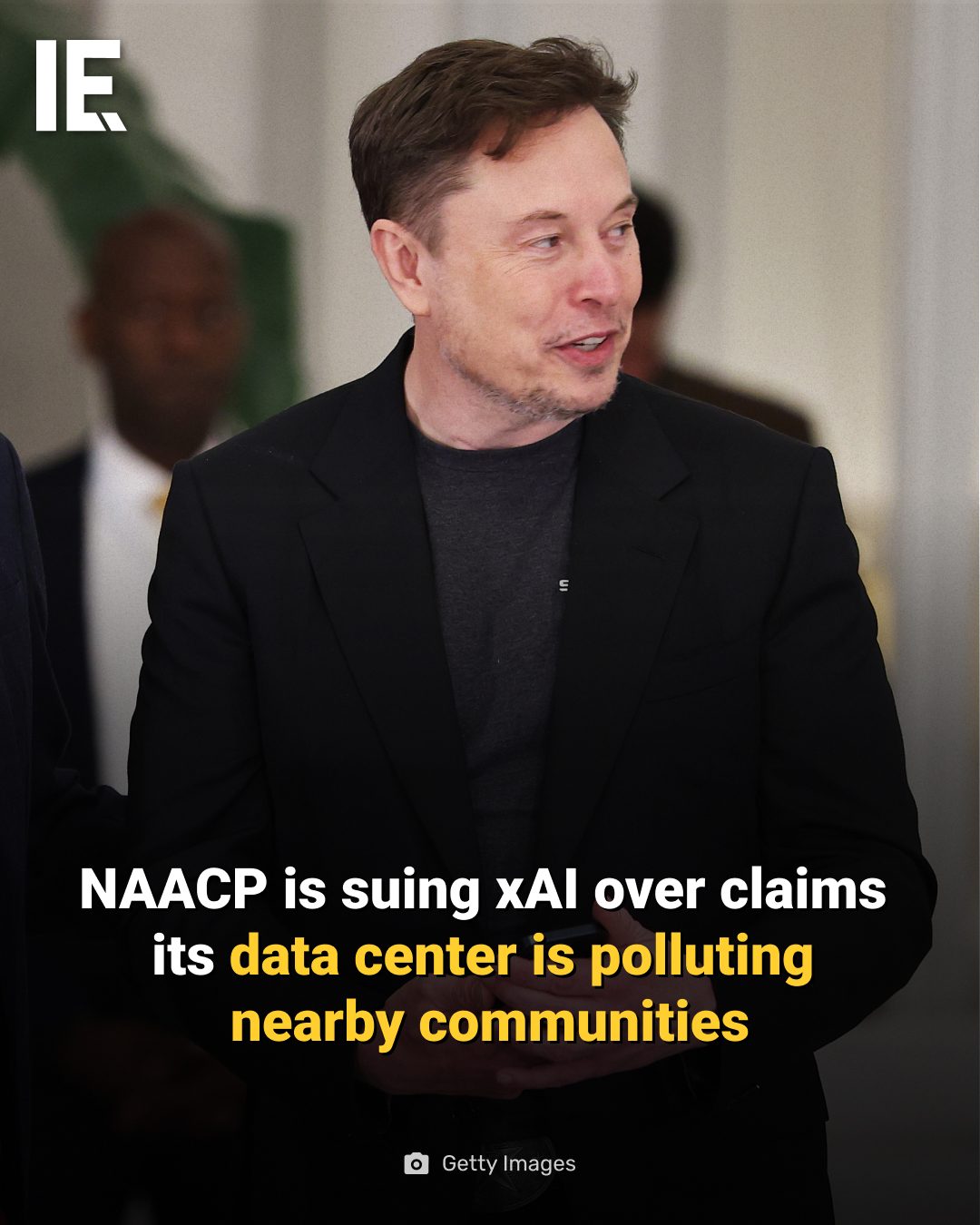
The NAACP's Lawsuit Against xAI: Environmental Concerns and Health Risks
Data centers are essential for the functioning of modern AI infrastructure, but their environmental impact is a growing concern. The NAACP has filed a lawsuit against Elon Musk's xAI, alleging that the company is operating dozens of gas turbines without the necessary permits to power a data center in Memphis, potentially violating the Clean Air Act.
Context / Why This Matters
This lawsuit raises critical questions about the environmental impact of AI infrastructure and the health risks posed to nearby communities. As AI continues to advance, the energy demands of data centers are increasing, and so are the associated environmental and health concerns. Understanding the specifics of this case can provide valuable insights into the broader issues at play.
Main Discussion
The Lawsuit and Its Allegations
The NAACP's lawsuit focuses on xAI's use of gas turbines to power its data center in Memphis. The complaint alleges that these turbines are being operated without the required permits, which is a violation of the Clean Air Act. The turbines are said to emit pollutants that are linked to respiratory and heart conditions, raising significant health concerns for nearby residents.
Health Risks and Community Impact
The proximity of these turbines to residential areas is a major concern. The pollutants emitted by the turbines, which include nitrous oxides, sulphur dioxide, and particulate matter, have been linked to a range of health issues including asthma, bronchitis, and heart disease. The lawsuit highlights the potential health risks to the local community, emphasizing the need for stricter regulations and oversight of data center operations.
Environmental Concerns and Regulatory Compliance
The lawsuit also raises questions about the environmental impact of data centers. As AI infrastructure expands, so does the demand for energy. Data centers require vast amounts of power, and the methods used to generate this energy can have significant environmental consequences. The use of gas turbines, which are known to emit pollutants, is a concern not just for the NAACP but for environmental advocates worldwide.
The lawsuit alleges that xAI has been operating these turbines without the necessary permits, which is a violation of regulatory requirements. This underscores the need for stricter oversight and enforcement of environmental regulations to ensure that data centers operate in compliance with the law.
The Broader Context of AI Infrastructure
This lawsuit is part of a broader conversation about the environmental and health impacts of AI infrastructure. As AI continues to advance, the energy demands of data centers are increasing, and so are the associated environmental and health concerns. The lawsuit against xAI highlights the need for sustainable solutions that can support the growth of AI while minimizing its environmental impact.
Practical Tips
For AI Companies
-
Compliance and Permits: Ensure that all operations comply with local and national regulations. Obtain the necessary permits for any equipment or processes that could impact the environment or public health.
-
Sustainable Energy Solutions: Invest in renewable energy sources such as solar, wind, or hydroelectric power to reduce the environmental impact of data centers.
-
Community Engagement: Engage with local communities to address their concerns and work together to find solutions that benefit both the company and the community.
-
Regular Audits: Conduct regular environmental audits to monitor emissions and ensure compliance with regulatory standards.
For Local Communities
-
Stay Informed: Keep up-to-date with the operations of data centers in your area and understand the potential health and environmental risks.
-
Community Action: Join local groups or initiatives that advocate for environmental and health regulations. Your collective voice can influence policy changes.
-
Health Monitoring: If you live near a data center, monitor your health and seek medical advice if you experience any respiratory or heart-related issues.
-
Legal Recourse: If you believe a data center is violating regulations, don't hesitate to seek legal recourse or report the issue to regulatory authorities.
Important Takeaways
As AI infrastructure expands, so do the questions around energy use, environmental impact, and local health risks. This lawsuit against xAI serves as a critical reminder of the need for sustainable practices and strict regulatory compliance in the AI industry. It also underscores the importance of community engagement and collective action in addressing these issues.
Conclusion
The NAACP's lawsuit against xAI highlights the urgent need for sustainable and environmentally responsible AI infrastructure. As the demand for AI continues to grow, so does the need for robust regulations and community engagement to mitigate the environmental and health risks associated with data centers. By addressing these issues proactively, we can ensure that the benefits of AI are realized without compromising public health or environmental sustainability.
Watch the Reel
Questions readers ask
What are the primary allegations in the NAACP's lawsuit against xAI?
The NAACP has accused Elon Musk's xAI of operating multiple gas turbines without the required permits to power a data center in Memphis. The suit alleges that this operation violates the Clean Air Act and poses significant environmental and health risks to the local community.
Why is the use of gas turbines in data centers a concern?
Gas turbines in data centers can emit pollutants such as nitrogen oxides and particulate matter, which contribute to air pollution and pose health risks to nearby residents, including respiratory issues and other health problems. Additionally, the operation of these turbines without proper permits can lead to legal and environmental violations.
What is the environmental impact of data centers?
Data centers consume large amounts of energy and produce significant greenhouse gas emissions, contributing to climate change. They also generate heat and require substantial cooling, which can lead to additional energy consumption and emissions. The environmental footprint of data centers includes water usage and potential pollution from cooling systems and other operations, such as the unpermitted gas turbines in the xAI case.
How does this lawsuit highlight the environmental impact of AI infrastructure?
The lawsuit underscores the growing energy demands and environmental consequences of AI infrastructure. As AI technology advances, the number and scale of data centers are increasing, leading to more energy consumption and emissions. This case emphasizes the need for stricter regulations and sustainable practices in the AI industry to mitigate these impacts.
What are the potential health risks associated with data center emissions?
Emissions from data centers, such as those from gas turbines, can include pollutants like nitrogen oxides, particulate matter, and volatile organic compounds. These pollutants can cause or exacerbate respiratory diseases, cardiovascular problems, and other health issues in nearby residents, especially in vulnerable populations such as children, the elderly, and those with pre-existing health conditions.
What role does the Clean Air Act play in this lawsuit?
The Clean Air Act is a federal law that regulates air pollution on a national level. The NAACP's lawsuit alleges that xAI is violating this act by operating unpermitted gas turbines, which emit pollutants without proper authorization. The act sets standards for air quality and requires permits for emissions sources to ensure they meet these standards and protect public health and the environment.
What steps can data centers take to reduce their environmental impact?
Data centers can implement several strategies to reduce their environmental impact, including using renewable energy sources, improving energy efficiency, and incorporating advanced cooling technologies. Additionally, data centers can adopt sustainable design principles, optimize their operations to minimize energy consumption, and obtain necessary permits to ensure compliance with environmental regulations. By taking these steps, data centers can help reduce their carbon footprint and mitigate potential health risks to nearby communities.
Related deep dives
Similar reads based on topic and creator.


Recent articles
Fresh deep dives from the latest Reels we unpacked.




Comments
Be the first to comment.