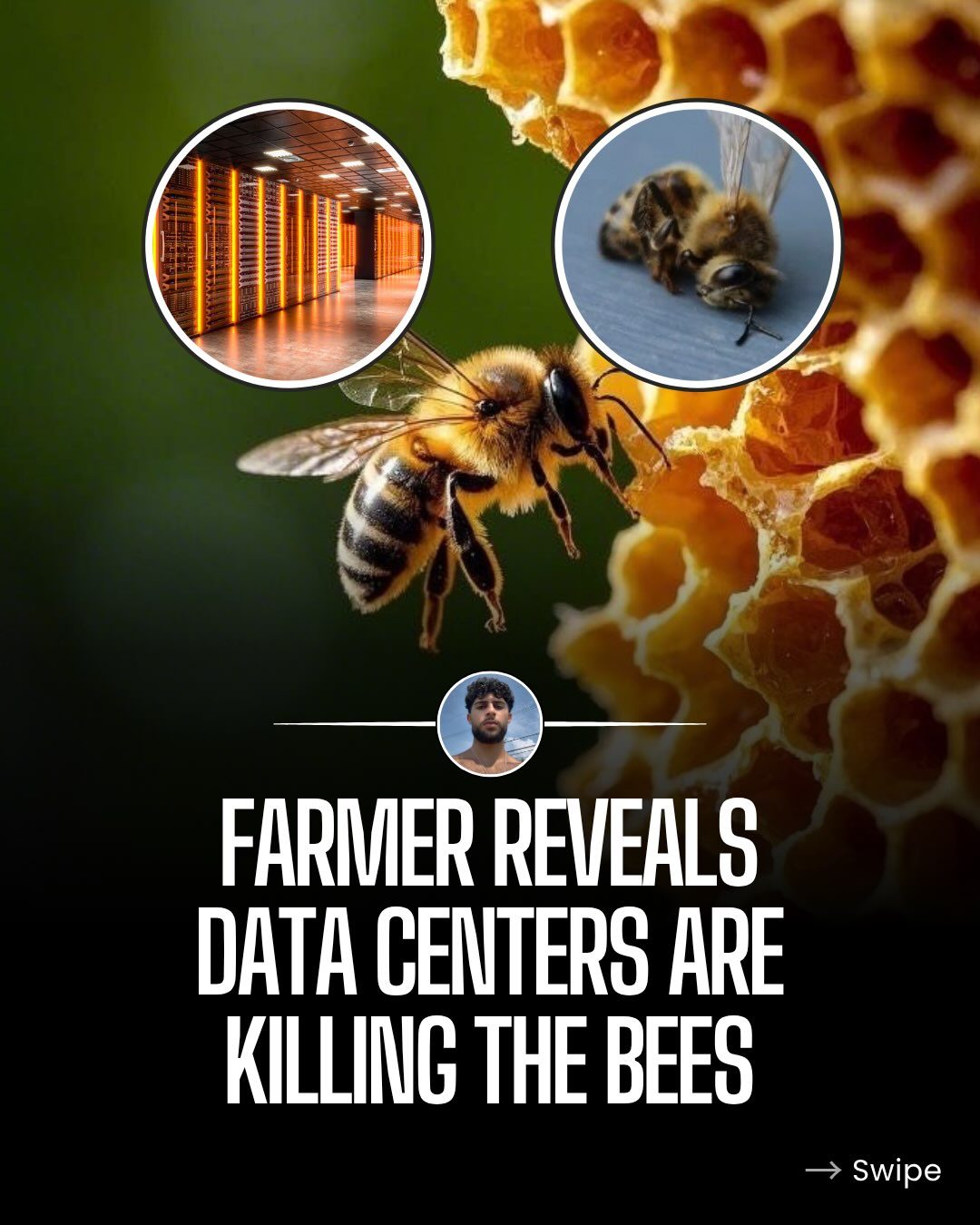
Data Centers and Bees
Data centers, crucial for the digital infrastructure that supports our modern world, are increasingly coming under scrutiny for their potential environmental impacts. One of the most concerning issues is their effect on bee populations. Farmers across various regions are reporting significant declines in bee populations, attributing these losses to the presence of data centers.
Context / Why This Matters
Bees are essential for ecosystems and agriculture. They play a vital role in pollinating crops, which directly affects food production and biodiversity. The decline in bee populations has been a growing concern for some time, attributed to various factors such as pesticides, habitat loss, and climate change. However, the emergence of data centers as a potential threat adds a new dimension to this issue.
The Role of Data Centers
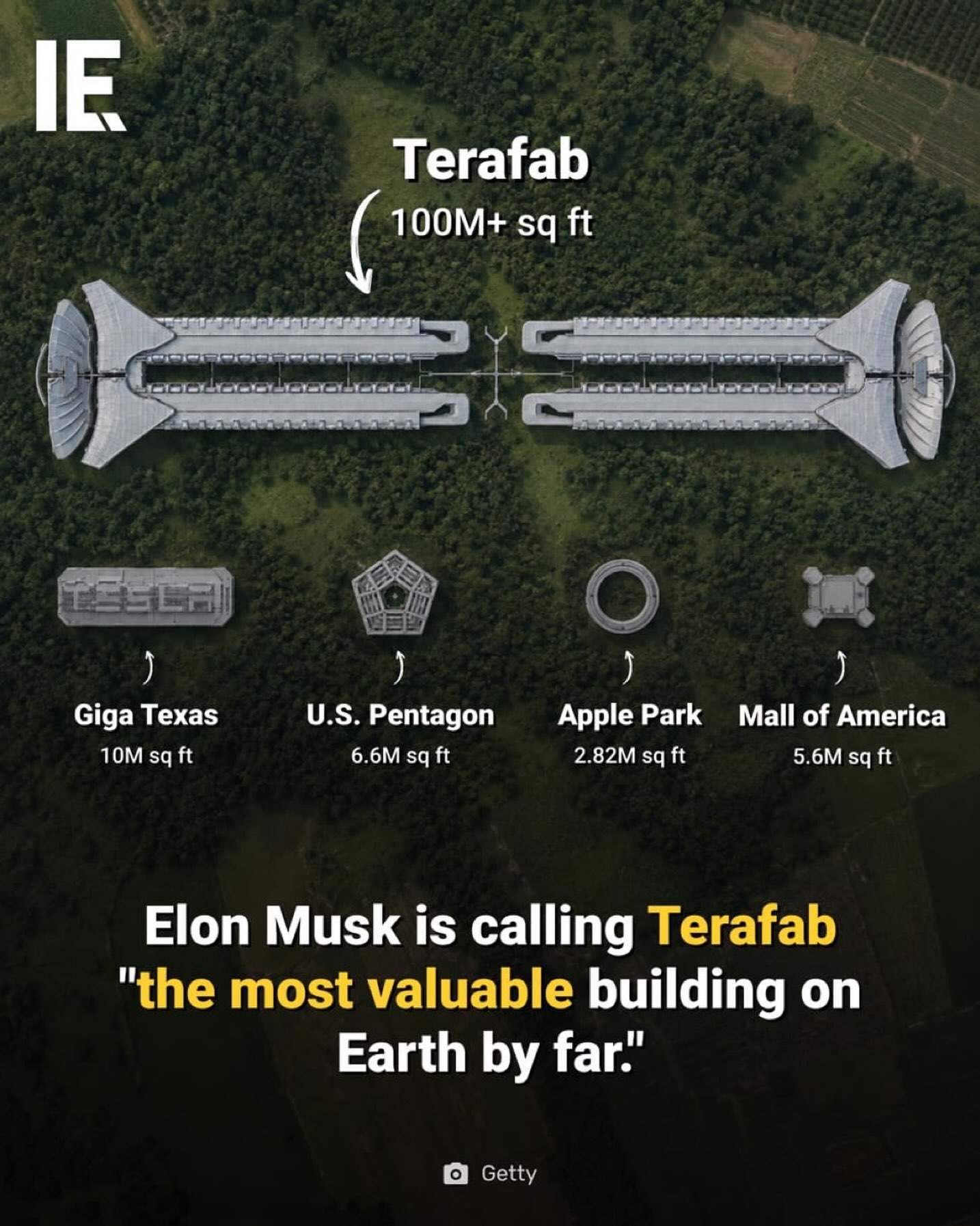
Data centers are large facilities designed to store, manage, and disseminate data. They house thousands of servers that generate substantial amounts of heat, requiring extensive cooling systems. These facilities are essential for supporting the ever-increasing demand for cloud services, online storage, and digital communication. However, their operations come with significant energy consumption and environmental impacts, including the generation of electromagnetic fields (EMFs).
Main Discussion
Electromagnetic Fields and Bee Navigation
One of the primary concerns is the artificial EMFs produced by data centers. These fields can disrupt the navigation systems that bees rely on for foraging and returning to their hives. Bees use the Earth's magnetic fields as a navigational tool, a system they have relied on for millions of years. The artificial EMFs from data centers can interfere with these natural magnetic maps, causing disorientation and, in some cases, a total loss of forager bees.
Researchers have documented several key issues arising from this disruption:
-
Disorientation: EMFs can lead to bees becoming disoriented, making it difficult for them to find their way back to the hive. This results in a loss of foragers, which are crucial for collecting food and sustaining the colony.
-
Colony Size Reduction: Studies have shown reductions in colony sizes, as the loss of foragers means fewer bees to maintain the hive and care for the young.
-
Distress Signals: Bees in distressed colonies exhibit behaviors consistent with sensing imminent danger, such as producing distress signals within the hive.
Farmer Reports and Anecdotal Evidence
Farmers near data centers have reported significant impacts on their bee populations. One farmer claimed that they haven't seen a single bee since a data center was built nearby. This anecdotal evidence, combined with scientific research, paints a troubling picture of the potential long-term effects of data centers on bee populations.
One of the most alarming aspects of these reports is the speed and severity of the decline. Bee colonies that were once thriving have suddenly collapsed, with no clear explanation other than the proximity to data centers. This suggests that the EMFs produced by data centers may have a more immediate and profound impact than previously thought.
Practical Tips
For Data Center Operators
Given the potential impacts on bee populations, data center operators should take proactive measures to mitigate their environmental footprints. Here are some practical steps:
-
EMF Shielding: Implement EMF shielding technologies to reduce the electromagnetic interference that data centers produce. This can help protect nearby bee populations and other wildlife that rely on natural navigation systems.
-
Green Energy Solutions: Adopt renewable energy sources to power data centers. This not only reduces the carbon footprint but also minimizes the overall environmental impact of these facilities.
-
Sustainable Design: Design data centers with environmental sustainability in mind. This includes using energy-efficient cooling systems and incorporating natural landscaping to support local ecosystems.
For Farmers and Beekeepers
For those who rely on bees for pollination and honey production, it's essential to take steps to protect these vital insects:
-
Monitor Bee Activity: Regularly monitor bee activity and hive health, especially if you are near a data center. Look for signs of disorientation, distress, and reduced colony size.
-
Consult with Professionals: If you notice a decline in bee populations, consult with beekeeping professionals and researchers who can help identify the cause and suggest solutions.
Important Takeaways
The potential impact of data centers on bee populations highlights the need for a more integrated approach to environmental management. While data centers are essential for modern digital infrastructure, their environmental footprints must be carefully considered. Here are the key points to remember:
-
EMFs from Data Centers: Artificial EMFs generated by data centers can disrupt the natural navigation systems of bees, leading to disorientation and colony distress.
-
Environmental Impact: The decline in bee populations has broader implications for ecosystems and agriculture, as bees are essential pollinators.
-
Proactive Measures: Both data center operators and local communities can take steps to mitigate the impacts, such as implementing EMF shielding and promoting sustainable practices.
Conclusion
The intersection of technology and environmental sustainability is becoming increasingly important. As data centers continue to grow in size and number, it's crucial to understand and mitigate their potential impacts on wildlife, particularly bee populations. By taking proactive measures and fostering collaboration between data center operators, farmers, and researchers, we can work towards a more environmentally sustainable future.
Watch the Reel
Questions readers ask
How do data centers specifically affect bee populations?
Data centers emit electromagnetic fields (EMFs) that can disrupt the natural navigation systems of bees. This interference can lead to bees losing their way, struggling to return to their hives, and ultimately causing a decline in bee populations.
What evidence do farmers have against data centers for bee population decline?
Farmers have reported significant losses in bee populations that correlate with the proximity and operation of data centers. They attribute these losses to the EMF emissions from data centers, which are known to disrupt bee navigation.
Can the impact of data centers on bees be mitigated?
While specific mitigation strategies are still under investigation, some suggest that data centers could implement shielding or other measures to reduce EMF emissions. Additionally, planting bee-friendly vegetation around data centers could provide alternative habitats and food sources for bees.
How do bees navigate, and why are they affected by data centers?
Bees use the Earth's natural magnetic field for navigation. Data centers generate artificial magnetic fields that can disrupt this natural system, causing bees to become disoriented and leading to colony distress and population loss.
Why is the decline in bee populations a concern for agriculture?
Bees are crucial for pollinating crops, which directly affects food production. A decline in bee populations can lead to reduced crop yields, affecting both farmers' livelihoods and the availability of certain foods. This is a serious issue for farming communities and global food security.
What other environmental impacts do data centers have?
In addition to affecting bee populations, data centers contribute to environmental issues such as energy consumption, water usage, and electronic waste. They also generate heat, which can alter local microclimates and further stress ecosystems.
What can be done to address the issue of data centers and bee population loss in 2023?
Immediate actions include raising awareness among data center operators and policymakers about the impact of EMFs on bees. Encouraging research into EMF mitigation techniques, promoting sustainable data center practices, and implementing stricter environmental regulations can all help address this issue in the coming year.
Related deep dives
Similar reads based on topic and creator.


Recent articles
Fresh deep dives from the latest Reels we unpacked.

Comments
Be the first to comment.