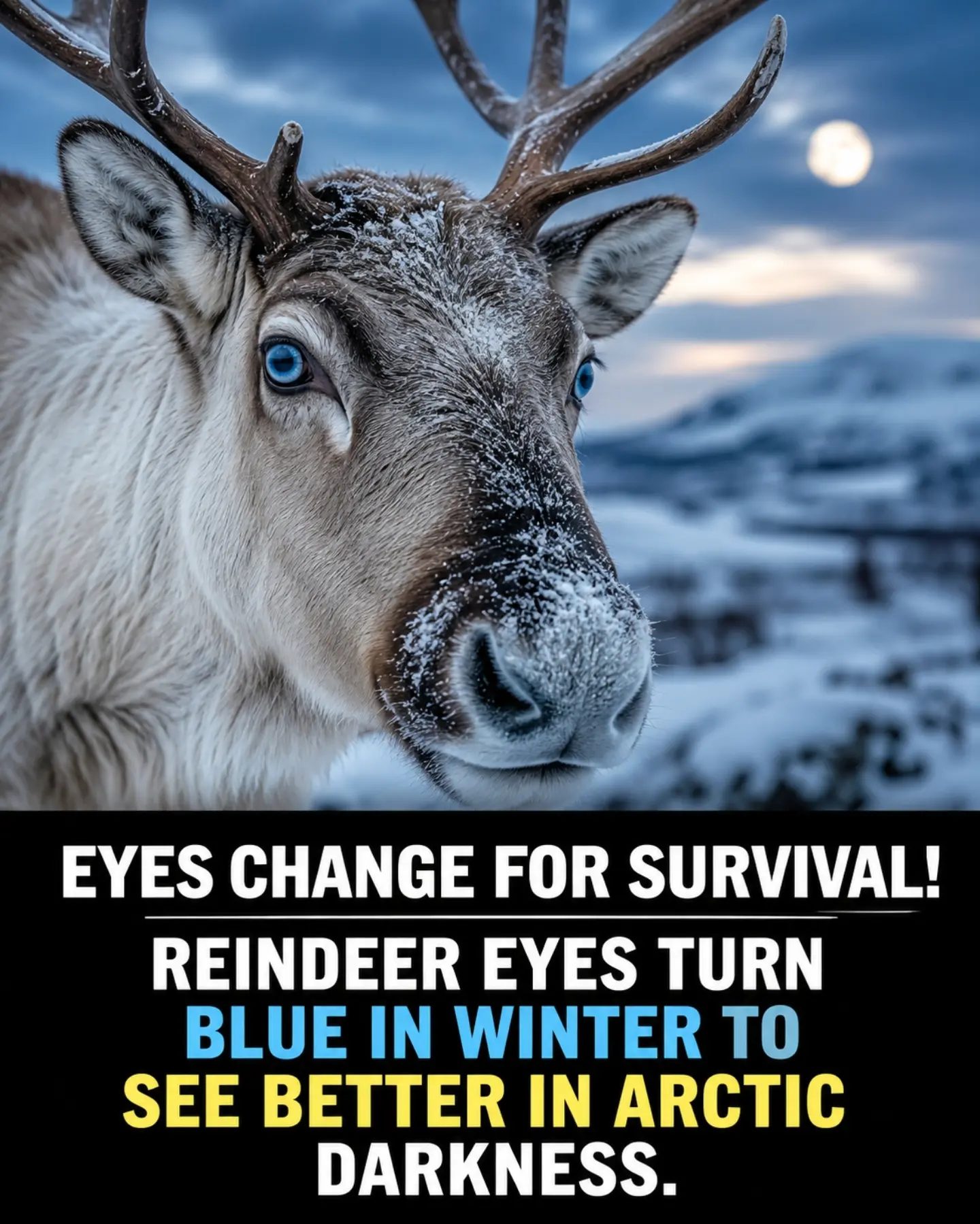
Reindeer Eyes Turn Blue in Winter: Arctic Survival Adaptation
Reindeer, or caribou, exhibit a unique survival adaptation: their eyes turn blue in winter. This color change enhances…
Tag
Deep-dive articles with this tag.
Reindeer, or caribou, exhibit a unique survival adaptation: their eyes turn blue in winter. This color change enhances…
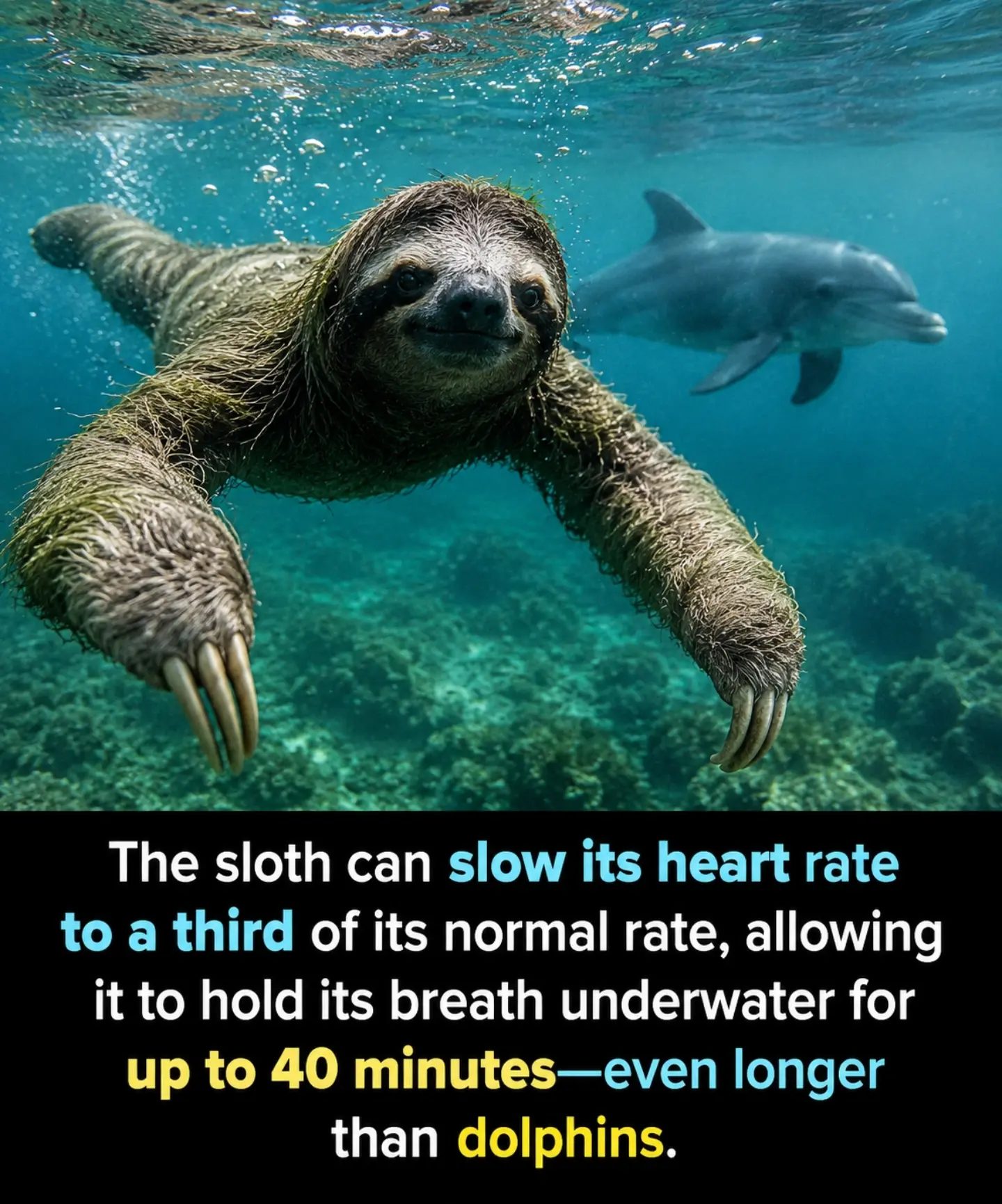
Sloths, known for their sluggishness on land, possess extraordinary underwater abilities. They can hold their breath fo…
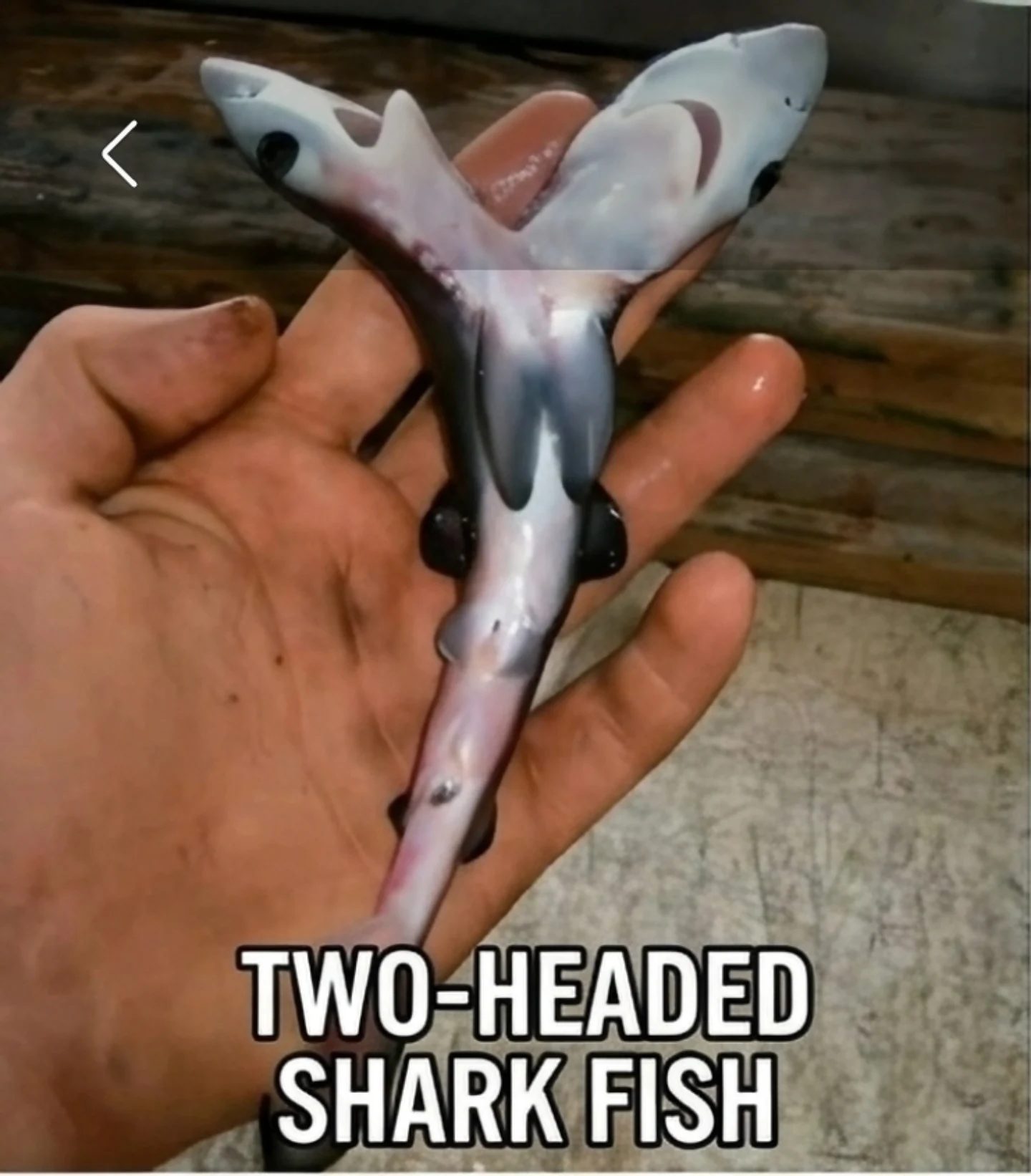
Two-headed sharks and tomatoes sprouting new seeds are among nature's most astonishing mutations. These rare occurrence…
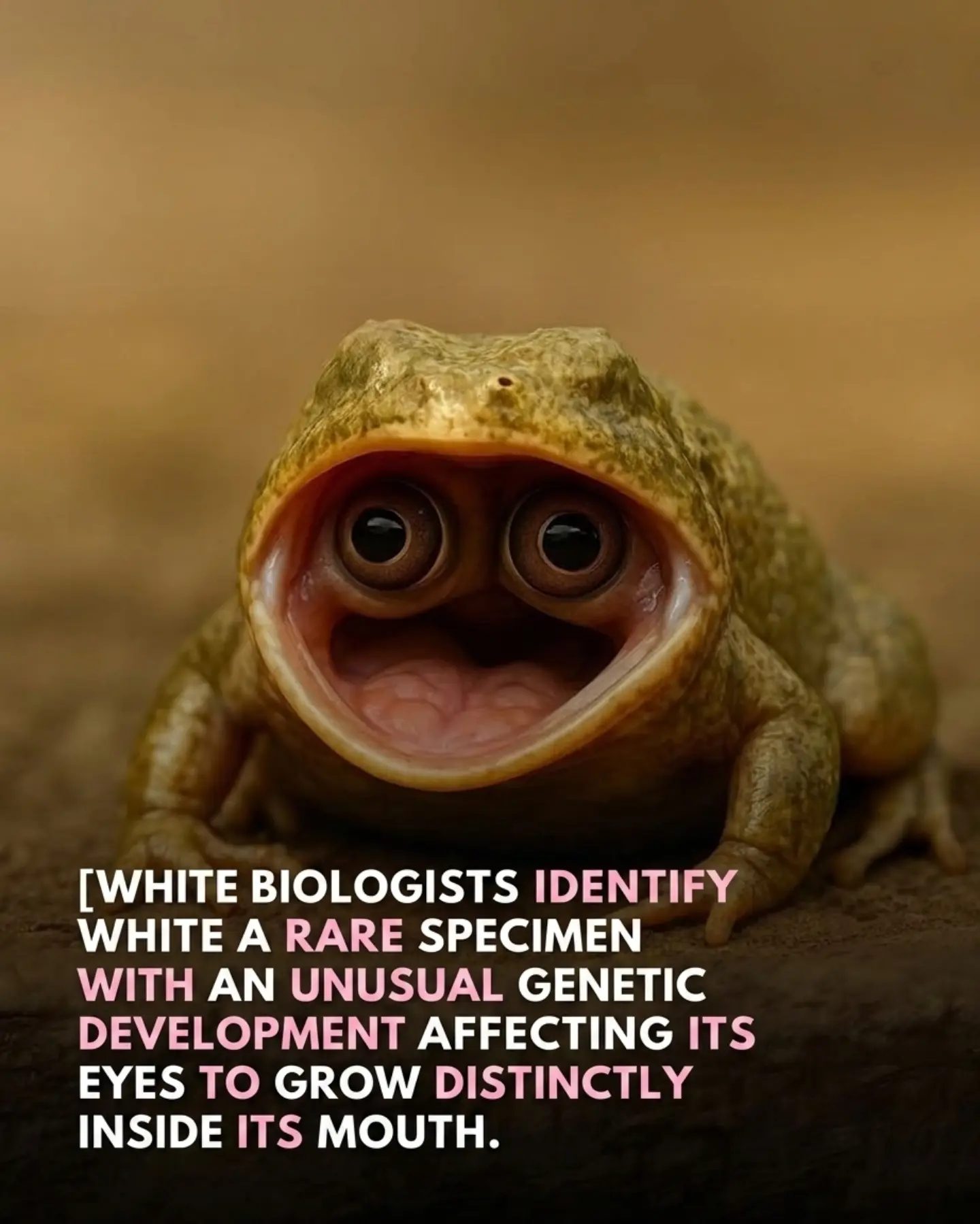
Discovered in Ontario, Canada, an American Toad exhibits a rare and extraordinary genetic mutation, with eyes located i…
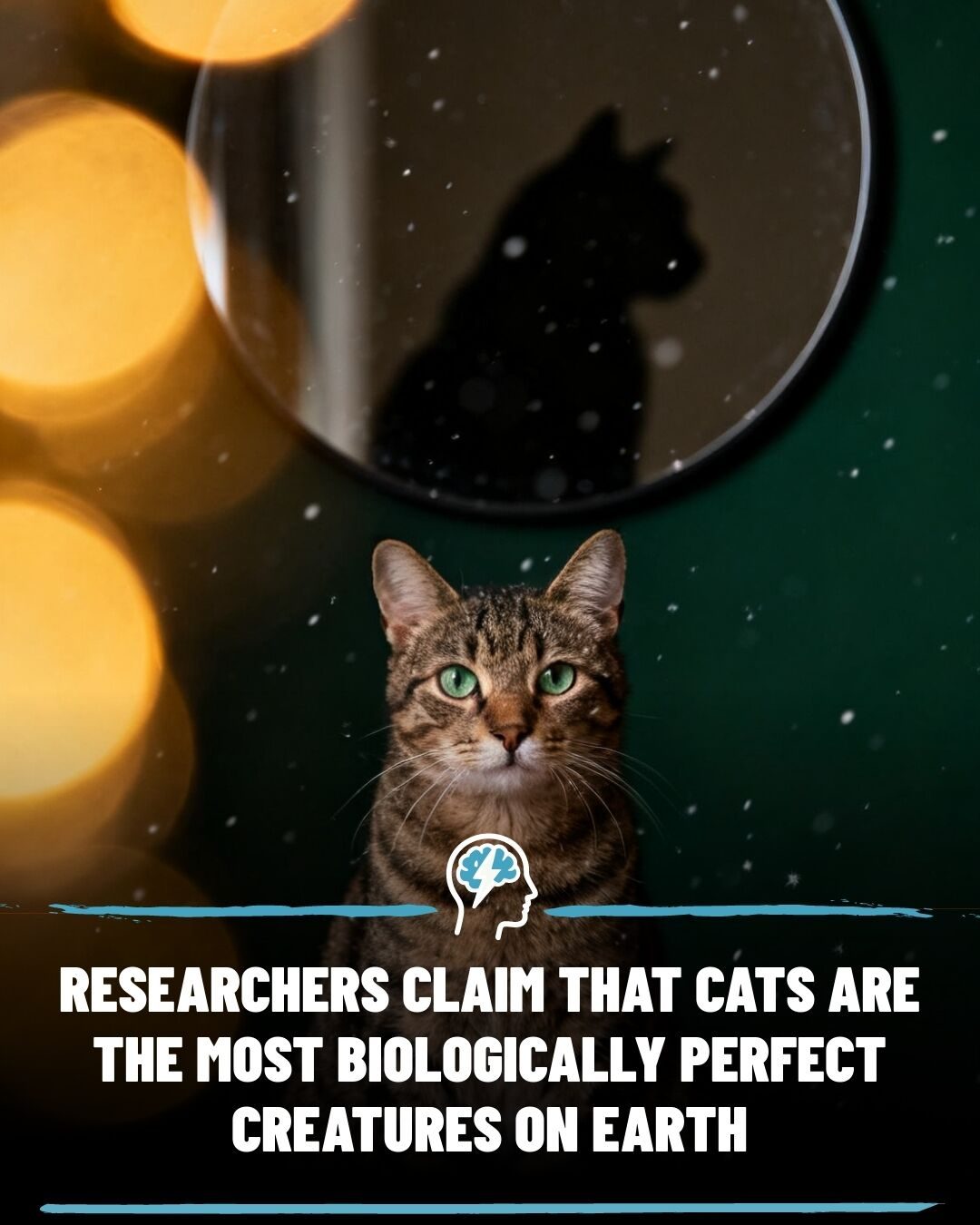
Cats stand out for their exceptional biological adaptations, particularly their remarkable vision in low light. These a…

Elephants, sharks, and dogs stand out in the animal kingdom for their extraordinary sense of smell, which is crucial fo…

The IBA Creature boasts extraordinary adaptations, including extracting fluids directly from its food to minimize water…
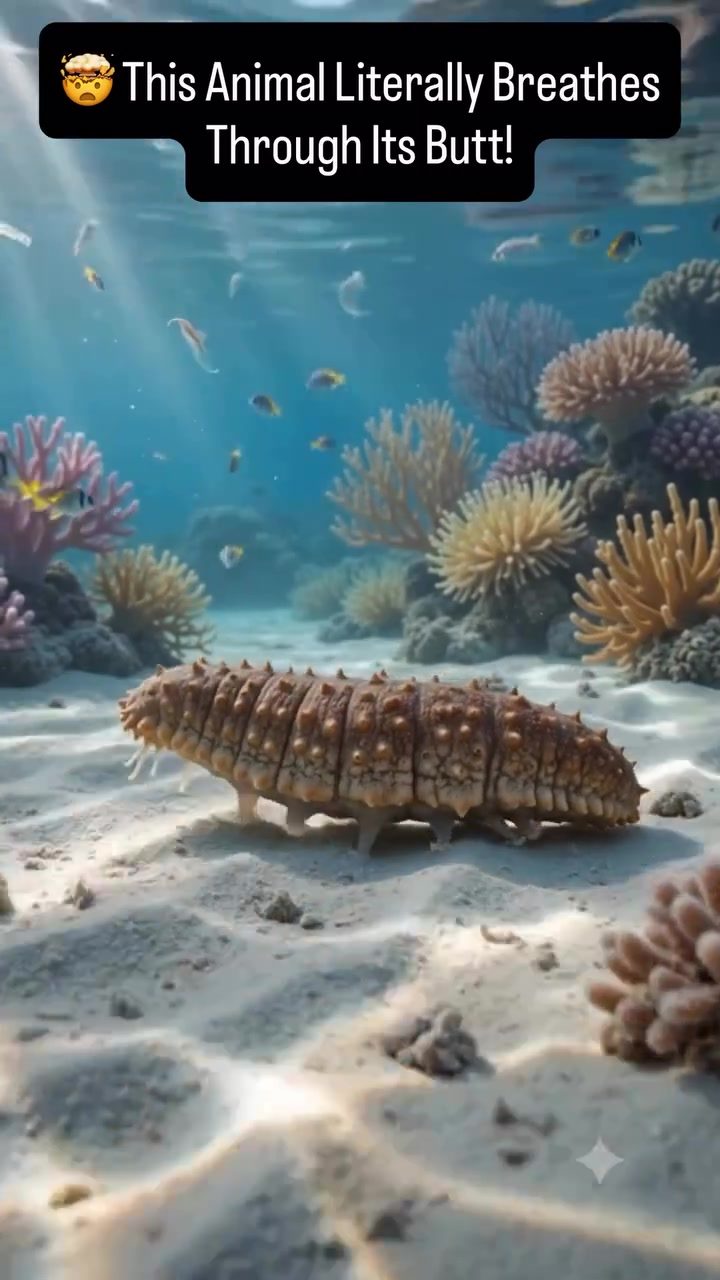
Sea cucumbers have a unique way of breathing through their cloaca, a multipurpose posterior opening that absorbs oxygen…

Koalas are famous for their lengthy sleep cycles, resting up to 22 hours a day. This behavior is an essential adaptatio…

Camels thrive in deserts, thanks to their broad, spreading feet that distribute weight effectively across unstable sand…

Octopuses possess an extraordinary capacity to edit their own DNA during their lifetime, enabling them to adapt to envi…

Giant pandas are known for their distinct black and white fur, but rarely, a genetic variation leads to a "clear-eyed"…