Rare Frog Specimen: An Extraordinary Genetic Mutation
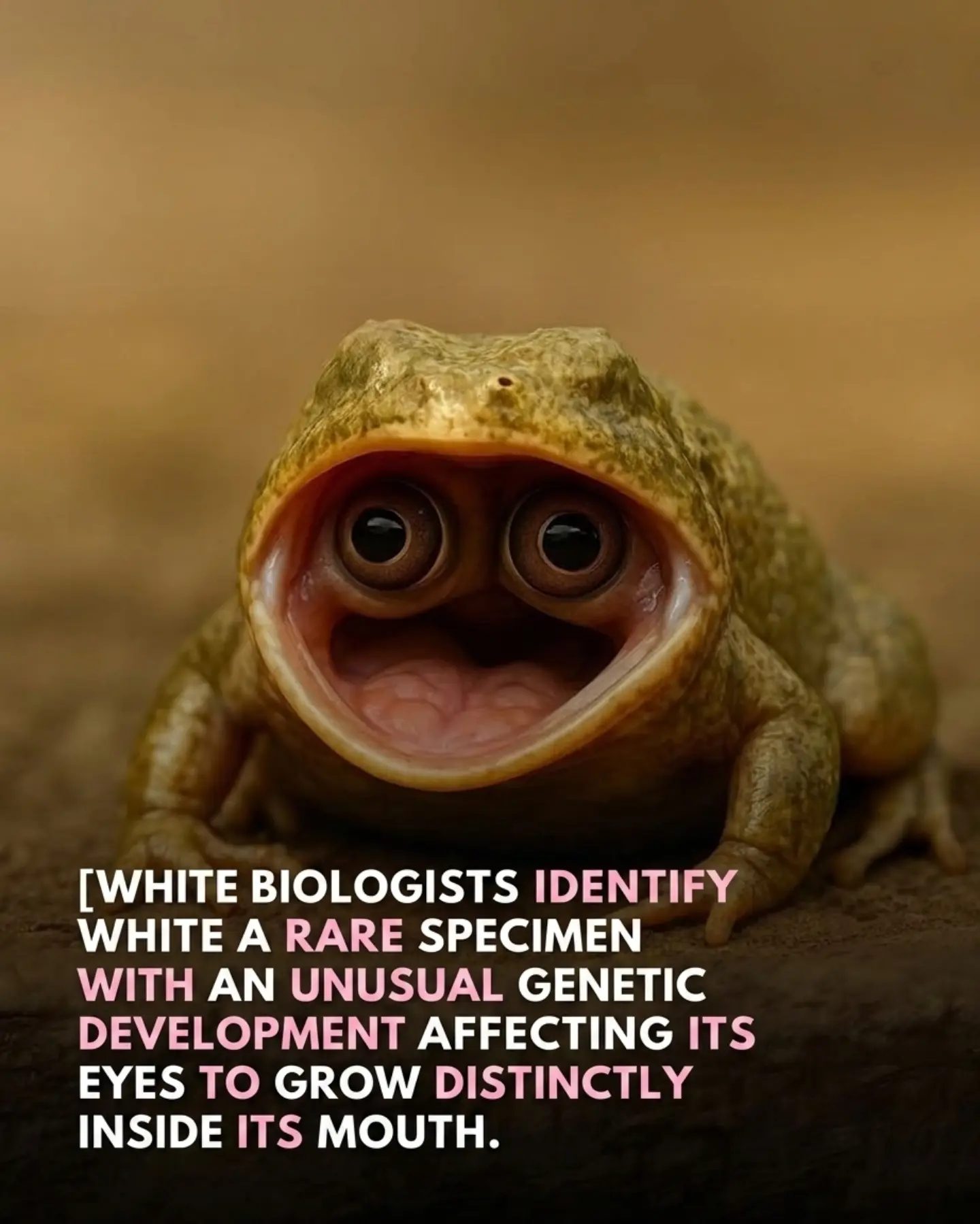
The American Toad specimen discovered in Ontario, Canada, in 1992 is a marvel of nature's unpredictability. This toad is a prime example of a rare genetic anomaly known as macromutation. The toad's unique development features eyes located inside its mouth, an unusual trait that biologists attribute to a significant genetic mutation.
Context: The Mystique of Genetic Mutations
Genetic mutations are changes in the DNA sequence that can lead to variations in an organism's traits. These mutations can range from minor to dramatic, causing what is known as a macromutation. This specific instance affects a regulatory gene, leading to misplaced eye sockets. Understanding these mutations is critical for biologists studying genetic development and evolution.
Rare Genetic Mutations
The American Toad of Ontario
The American Toad discovered in Ontario, Canada, in 1992, exemplifies a fascinating case of a macromutation. Instead of the usual external eye placement, the toad's eyes are located within its palate. This dramatic deviation from the norm is attributed to a sudden, massive genetic mutation. A major regulatory gene, tasked with determining the placement of body structures, encountered a glitch, resulting in the eyes developing inside the mouth.
Genetic Misplacement
One of the most intriguing aspects of this genetic anomaly is the misplacement of the eyes. The frog could only see its surroundings when it opened its mouth wide to gape. This unusual eye placement, while perplexing, highlights the complex interplay of genetic regulators and their potential for error.
Potential Triggers
Regulatory Gene Confusion
The mutation that caused this unique trait is often linked to a regulatory gene that became confused about where to place the eye sockets. Regulatory genes control when and where other genes are expressed. Disruptions in these regulatory genes can lead to extraordinary changes in an organism’s development, as seen in the American Toad of Ontario.
Parasitic Trematode Worms
While the mutation is predominantly genetic, some scientists propose that an infection by parasitic trematode worms might have triggered this dramatic developmental shift. These worms are known to infect frogs and can cause significant developmental changes, possibly contributing to the unusual placement of the eyes. This theory adds an intriguing element to the mystery.
Practical Tips for Understanding Genetic Mutations
Educating the Public
Understanding genetic mutations and their impact can be a fascinating journey into the mysteries of life. For the general public, delving into scientific literature and attending lectures by geneticists can provide a deeper understanding of these phenomena. Watching nature documentaries and reading scientific journals can also be incredibly enlightening.
Supporting Research
Research in genetics and biology often relies on public support and funding. Donating to research organizations and participating in citizen science projects can contribute to advancements in the field. These efforts help scientists uncover the mysteries behind genetic mutations and their implications for human health and the natural world.
Staying Informed
Staying informed about the latest discoveries and theories in genetics is essential. Following credible scientific publications, attending conferences, and engaging with experts can provide valuable insights. This knowledge can help in appreciating the complexities of genetic mutations and their role in the natural world.
Important Takeaways
The American Toad of Ontario serves as a remarkable example of nature's diversity and the complexities of genetic mutations. It underscores the importance of regulatory genes and the potential for dramatic developmental shifts. This fascinating case highlights the need for continued research and public awareness in the field of genetics.
Conclusion
The rare frog specimen discovered in Ontario, Canada, is a testament to the unpredictability and complexity of genetic mutations. This unique case offers valuable insights into the role of regulatory genes and the potential impact of parasitic infections. Understanding these mutations can deepen our appreciation for the intricacies of life and the natural world. Through continued research and public engagement, we can unlock the mysteries of genetic mutations and their significance in the broader context of biology.
Watch the Reel
Questions readers ask
What is the significance of the American Toad found in Ontario, Canada?
The American Toad discovered in Ontario is significant because it exhibits a rare genetic mutation where its eyes are located inside its mouth. This unique trait provides valuable insights into the processes of genetic regulation and development, as well as the broader mechanisms of evolution.
What causes the eyes to be inside the mouth in this toad?
The toad's unusual eye placement is due to a significant genetic mutation in a regulatory gene. This mutation disrupts the normal developmental processes, leading to the misplacement of the eye sockets within the mouth rather than on the head.
How does this genetic mutation help in understanding genetic development?
Studying this mutation offers biologists a unique opportunity to observe how regulatory genes control the placement of organs and structures. By understanding this mutation, researchers can gain insights into the broader mechanisms of embryonic development and the potential disruptions that can occur.
Are there other known cases of animals with eyes inside their mouths?
The American Toad from Ontario is one of the most well-documented cases of an animal with eyes inside its mouth. While other cases may exist, they are extremely rare, making this specimen a notable example of the wide range of genetic anomalies that can occur in nature.
What is a macromutation and how does it apply to this toad?
A macromutation refers to a significant genetic change that results in a dramatic alteration of an organism's traits. In the case of the American Toad, the macromutation involves a regulatory gene that controls the placement of eye sockets, leading to the extraordinary trait of having eyes located inside its mouth.
How was the toad's genetic mutation identified and studied?
The toad's mutation was identified through careful observation and examination of the specimen. Researchers analyzed the genetic changes that resulted in the misplaced eyes, focusing on regulatory genes that control developmental processes. This detailed study helps to understand the broader implications of genetic mutations and their effects on animal development.
What can we learn about regulatory genes from this toad's mutation?
The toad's mutation provides specific insights into how regulatory genes control the placement of organs and structures during development. By studying the disrupted processes in this toad, scientists can better understand the normal functions of these regulatory genes and the potential consequences of their malfunction.
Related deep dives
Similar reads based on topic and creator.




Recent articles
Fresh deep dives from the latest Reels we unpacked.




Comments
Be the first to comment.