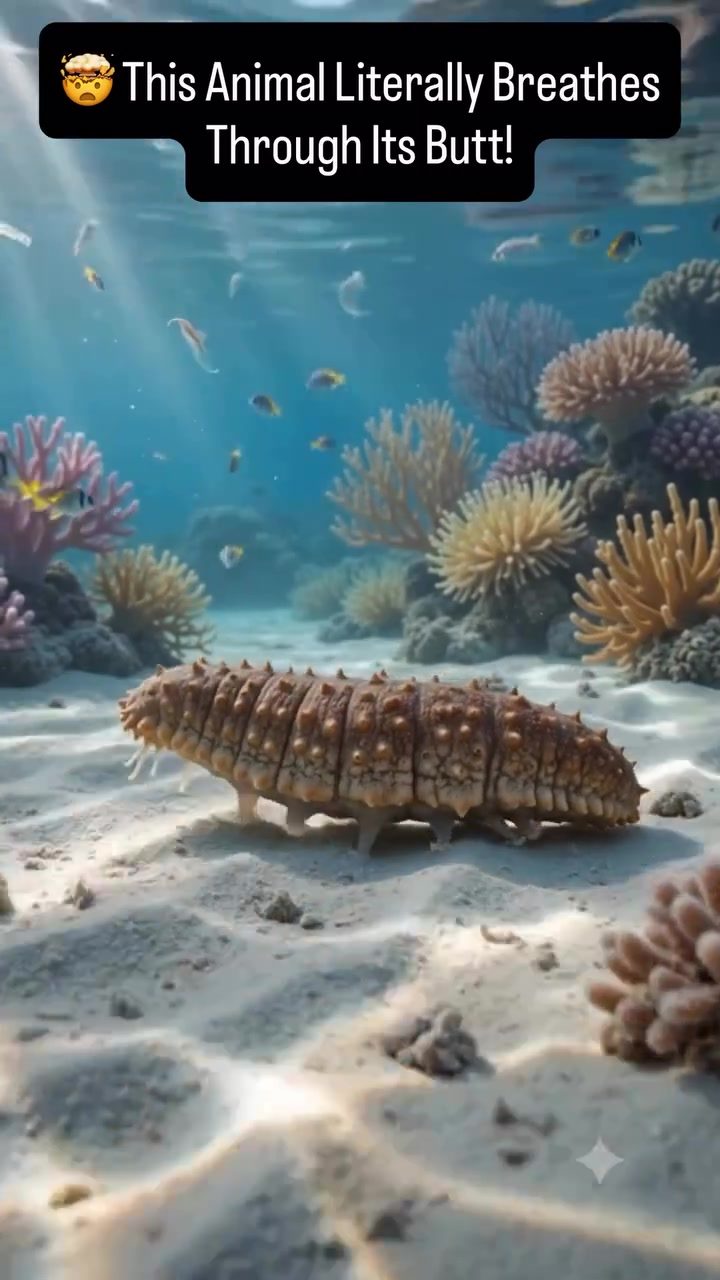
Sea Cucumber Respiratory System
Sea cucumbers, those enigmatic marine creatures, have a unique and fascinating way of breathing. Unlike humans and many other animals, sea cucumbers do not have lungs. Instead, they rely on a specialized respiratory system that involves their cloaca, a multi-purpose posterior opening.
Why This Matters
Understanding the respiratory mechanisms of sea cucumbers provides a deeper appreciation for the diversity of life on Earth. Their unique adaptations highlight the incredible ways in which marine organisms have evolved to thrive in their environments. This knowledge is particularly relevant for marine biologists, ecologists, and anyone interested in the complex interplay between anatomy and ecology.
The Mysterious Marine Respiratory System
Respiratory Trees and the Cloaca
The respiratory system of a sea cucumber is centered around its cloaca, a versatile opening that serves multiple functions, including reproduction, digestion, and respiration. Specialized organs called respiratory trees are connected to the cloaca, facilitating the absorption of oxygen.
The Breathing Process
The breathing process in sea cucumbers is a continuous cycle:
- Water Intake: Sea cucumbers draw seawater into the cloaca.
- Oxygen Absorption: The seawater moves through the respiratory trees, where oxygen is absorbed into the body.
- Carbon Dioxide Release: The water, now depleted of oxygen and rich in carbon dioxide, is pumped back out of the cloaca.
This method is essential for their survival on the ocean floor, where conditions can be harsh and resources scarce.
Evolutionary Adaptations
The respiratory system of sea cucumbers is a testament to the ingenuity of evolution. Over millions of years, these creatures have developed specialized organs and processes that allow them to thrive in environments that would be inhospitable to many other species. This adaptation not only ensures their survival but also contributes to the overall health of marine ecosystems by facilitating nutrient cycling and maintaining ecological balance.
Practical Tips for Observing Sea Cucumbers
Where to Find Them
Sea cucumbers are commonly found in various marine environments, including coral reefs, rocky shores, and sandy ocean floors. They are often spotted in shallow waters but can also be found in the deep sea.
What to Look For
When observing sea cucumbers, pay close attention to their behavior. These creatures are relatively sedentary and can often be seen partially buried in the sand or resting on the ocean floor. Look for signs of respiratory activity, such as the movement of water through their cloaca.
Important Takeaways
Sea cucumbers are a fascinating example of how nature has engineered unique solutions to the challenges of survival. Their respiratory system, which involves the cloaca and respiratory trees, is a remarkable adaptation that allows them to thrive in the ocean depths. By studying these creatures, we gain insights into the vast array of life forms that inhabit our planet and the intricate ways in which they have evolved to meet the demands of their environments.
Conclusion
The respiratory system of sea cucumbers offers a glimpse into the diverse and ingenious strategies that marine life has developed to survive and thrive. By understanding these adaptations, we can better appreciate the complexity and brilliance of the natural world. Whether you are a marine biologist, an ecologist, or simply someone who enjoys the wonders of nature, the respiratory system of sea cucumbers is a subject worth exploring.
Watch the Reel
Questions readers ask
How do sea cucumbers absorb oxygen differently from humans?
Sea cucumbers absorb oxygen through their cloaca, a multipurpose opening at the rear end, while humans use lungs. This unique mechanism allows sea cucumbers to extract oxygen directly from the water surrounding them.
What is the cloaca and why is it important for sea cucumbers?
The cloaca is a versatile posterior opening in sea cucumbers that serves multiple functions, including respiration. It absorbs oxygen and expels carbon dioxide, making it crucial for their survival in aquatic environments.
Can sea cucumbers breathe out of water?
Sea cucumbers are not equipped to breathe out of water. Their respiratory system is specifically adapted to absorb oxygen from water through their cloaca, making them dependent on aquatic environments.
Why is the sea cucumber's breathing method significant in understanding marine life?
Sea cucumbers have a unique respiratory system that highlights the diversity of breathing mechanisms in marine organisms. This knowledge helps appreciate the complex adaptations that allow creatures to thrive in various aquatic environments.
How do sea cucumbers release carbon dioxide?
Sea cucumbers expel carbon dioxide through the same cloaca that they use to absorb oxygen. This dual function of the cloaca is an efficient adaptation for their respiratory needs in water.
What are some of the other functions of the cloaca in sea cucumbers besides respiration?
The cloaca in sea cucumbers serves multiple roles beyond respiration. It is also involved in reproduction, excretion, and in some species, it can even expel digestive waste. This multifunctionality underscores the efficiency of their biological design.
Are there other marine animals that breathe through their anus like sea cucumbers?
While the cloaca in sea cucumbers is a unique adaptation, some other marine animals like certain species of worms and mollusks also have respiratory systems that involve their anus or other posterior openings. However, the specific mechanisms can vary significantly.
Recent articles
Fresh deep dives from the latest Reels we unpacked.




Comments
Be the first to comment.