Camel Feet: Nature's Perfect Adaptation for Desert Survival
Camels are renowned for their ability to traverse the harsh desert landscapes with ease, and a significant part of this capability lies in their unique feet. These feet are designed to distribute weight effectively, provide excellent grip, and protect against extreme heat, making them an essential adaptation for desert survival.
Why This Matters
In the desert, the ground is often soft and unstable, making it challenging for many animals to move without sinking. Camels, however, have evolved a set of features that allow them to navigate these conditions effortlessly. Understanding these adaptations can provide insight into the intricate workings of nature and the specific design elements that make certain animals well-suited to their environments.
The Science Behind Camel Feet
The Role of Wide Feet
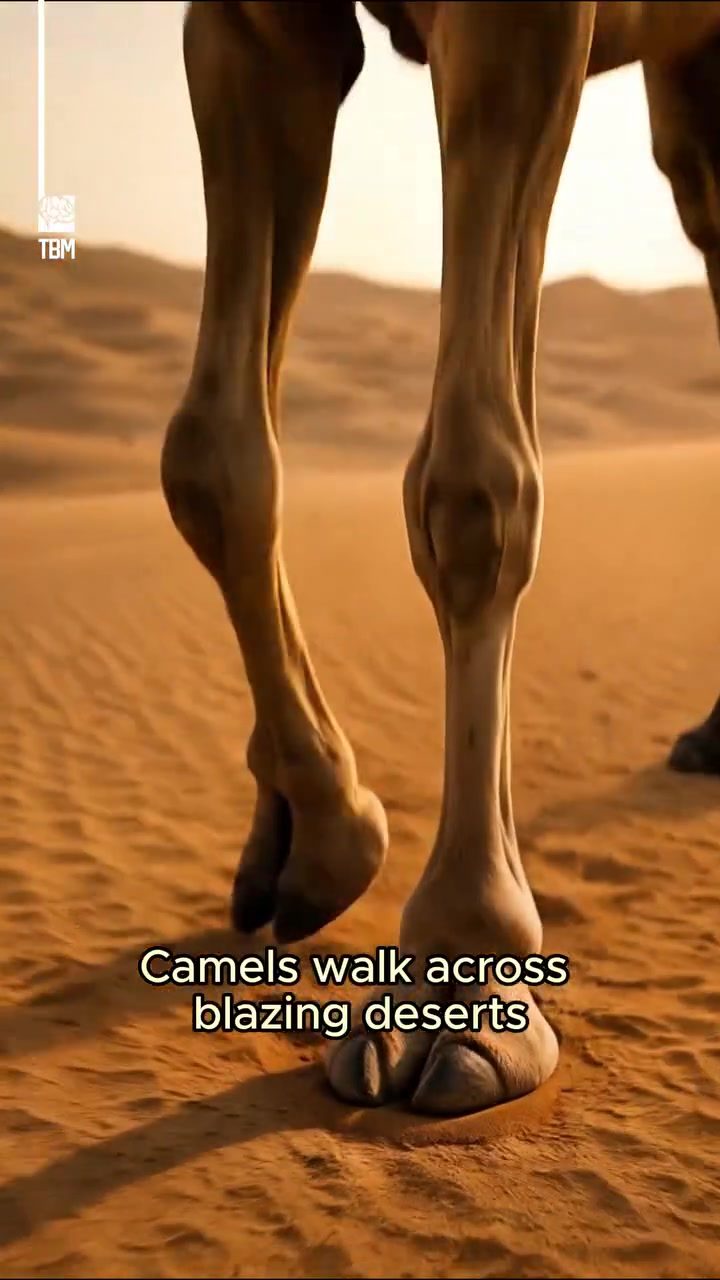
Camel feet are broad and spread outward with every step. This spreading action increases the surface area in contact with the sand, effectively distributing the camel's weight over a larger area. This mechanism is similar to how snowshoes help humans walk on deep snow without sinking. By spreading their feet, camels can move across the desert sand with surprising ease, avoiding the sinking that would otherwise impede their progress.
Thick, Rubbery Foot Pads
Each camel foot is equipped with thick, rubbery pads that serve multiple purposes. These pads provide excellent grip on loose sand, ensuring that the camel maintains stability and traction even on uneven surfaces. Additionally, these pads act as insulation, shielding the camel's feet from the scorching heat of the desert floor. This protection is crucial, as the desert sand can reach extremely high temperatures, potentially burning the feet of animals that are not well-adapted.
Evolutionary Engineering
The design of camel feet is a remarkable example of evolutionary engineering. These feet are perfectly tailored to the harsh desert environment, providing the necessary support, grip, and protection. This adaptation allows camels to thrive in one of the most challenging environments on Earth, showcasing the power of natural selection in shaping the physical characteristics of species.
Practical Tips for Understanding Camel Adaptations
Observing Camel Behavior
To better understand the unique adaptations of camel feet, observe their behavior in their natural habitat. Notice how they spread their feet and move across the sand. This firsthand observation can provide valuable insights into how their physical characteristics contribute to their survival in the desert.
Comparing with Other Desert Animals
Compare the adaptations of camels with those of other desert-dwelling animals. For instance, some lizards and rodents have similar adaptations to handle the heat and sand. Understanding these comparisons can deepen your appreciation for the diversity of adaptive strategies in nature.
Studying Evolutionary Biology
For a more in-depth understanding, delve into the field of evolutionary biology. Learn about how natural selection shapes physical traits over generations, making certain species well-suited to their environments. This knowledge can provide a broader context for understanding camel adaptations.
Important Takeaways
- Camels have wide, padded feet that spread out with every step, increasing surface area and distributing weight evenly across the sand.
- The thick, rubbery pads on camel feet provide excellent grip and protect against extreme heat.
- Camels' feet are a perfect example of evolutionary engineering, designed specifically for desert survival.
- Observing camel behavior and comparing it with other desert animals can provide valuable insights into their adaptations.
- Understanding the principles of evolutionary biology can help explain the unique features of camel feet.
Conclusion
Camels' feet are a testament to the power of evolution and natural selection. These unique adaptations allow camels to thrive in one of the harshest environments on Earth, providing a fascinating example of how physical characteristics can be shaped to fit specific ecological needs. By understanding the science behind camel feet, we gain a deeper appreciation for the intricate workings of nature and the remarkable adaptations that enable certain species to survive and thrive in challenging conditions.
Watch the Reel
Questions readers ask
How do camels distribute their weight on desert sand?
Camels have broad, spreading feet that help them distribute their weight evenly across the surface of the sand. This unique foot structure prevents them from sinking into the sand, allowing them to traverse the desert with ease. The wide surface area of their feet also helps keep them stable on unstable surfaces.
What role do camel foot pads play in desert survival?
Camel foot pads are thick and rubbery, providing excellent grip on the sand. They also protect the camels' feet from the extreme desert heat. These pads are essential for camels as they help them navigate the harsh desert terrain and protect their feet from injuries and burns.
How do camel feet help them walk on sand?
Camel feet are designed with a wide surface area that helps distribute weight evenly, and thick foot pads that provide grip and protection. These adaptations allow camels to walk on soft, shifting sand without sinking too deeply, making their movement efficient and steady.
Why is the structure of camel feet important for desert survival?
The structure of camel feet is crucial for desert survival as it enables them to move efficiently on unstable sand. Their wide, spreading feet and thick foot pads help distribute weight, provide grip, and protect against extreme heat, making them well-suited for navigating the desert environment.
How do camels adapt to the unstable nature of desert sand?
Camels adapt to unstable desert sand through their unique foot structure. Their broad, spreading feet distribute weight evenly, preventing them from sinking. Additionally, their thick, rubbery foot pads provide excellent grip and protection, allowing them to move confidently across the shifting sand.
What specific features make camels well-suited for desert heat?
Camels' feet are equipped with thick, rubbery foot pads that protect them from the extreme desert heat. These pads act as an insulator, preventing the camels' feet from getting too hot and protecting them from burns, which is essential for their survival in the harsh desert environment.
Related deep dives
Similar reads based on topic and creator.




Recent articles
Fresh deep dives from the latest Reels we unpacked.




Comments
Be the first to comment.