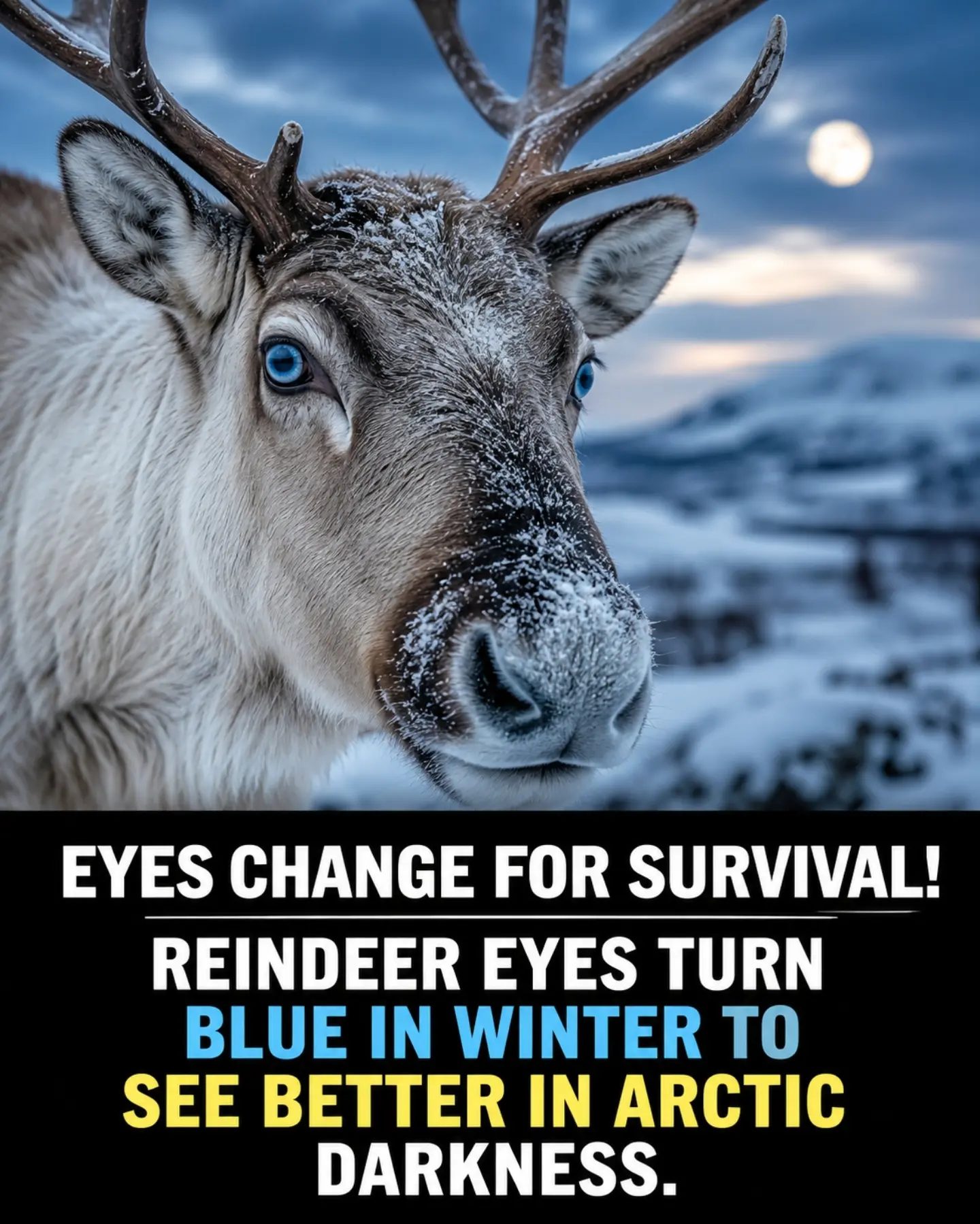
Reindeer Eye Adaptation
Reindeer, also known as caribou in North America, are remarkable creatures that inhabit the harsh, cold environments of the Arctic. One of the most fascinating adaptations of these animals is the change in the color of their eyes during the winter months. This adaptation is not just intriguing; it is a critical survival mechanism in the challenging Arctic landscape.
Why This Matters
The Arctic is characterized by extreme cold, strong winds, and long periods of darkness, especially during the winter. In such an environment, the ability to see clearly is paramount for survival. Reindeer's eye color change is one of the ways they adapt to these conditions, ensuring they can move through the landscape and forage for food even in the darkest times of the year.
Main Discussion
The Color Change: From Gold to Blue
Reindeer eyes undergo a visible transformation in the winter. During the summer, their eyes have a more golden appearance. As the season transitions to winter, their eyes gradually change to a striking blue color. This change is not merely cosmetic; it serves a vital function in enhancing the reindeer's vision in the low-light conditions of the Arctic winter.
The Science Behind the Change
The color change in reindeer eyes is a result of a structural adaptation in their eyes. During the winter, a layer of tissue in the eye, known as the tapetum lucidum, becomes more reflective. This layer acts like a mirror, bouncing light back through the retina, which amplifies the available light and improves vision in low-light conditions.
This adaptation is crucial for reindeer as they need to navigate the harsh Arctic terrain and find food during the extended periods of darkness. The blue color of their eyes in winter is a clear indication of this adaptation, allowing them to see better in the dim light.
Adaptation for Survival
The ability to see clearly in the dark is a key factor in the survival of reindeer. The Arctic winter is characterized by long nights and limited daylight, making it difficult for animals to forage and move around. The blue eyes of reindeer help them detect predators, navigate through snow-covered landscapes, and find food sources such as lichens and mosses, which are essential for their diet.
Practical Tips
For those interested in observing this fascinating adaptation, a few practical tips can enhance the experience:
- Visit During Winter: The best time to see this adaptation is during the winter months when the eyes change color.
- Choose the Right Location: The Arctic regions, particularly in places like Norway, Sweden, and Canada, offer good opportunities to observe reindeer and their adaptations.
- Use Binoculars: Binoculars can help you get a closer look at the reindeer's eyes and observe the color change more clearly.
- Be Patient and Respectful: Reindeer are wild animals and should be observed from a respectful distance. Patience is key as they may not always be visible or cooperative.
Important Takeaways
- Reindeer eyes change color from gold to blue during the winter months.
- This color change is due to a reflective layer in the eyes that enhances vision in low-light conditions.
- The adaptation is crucial for survival in the Arctic, where long periods of darkness are common.
The ability of reindeer to adapt to their environment through changes in their eyes is a testament to the remarkable ways in which animals evolve to survive in challenging conditions.
Conclusion
Reindeer's eye color change is a fascinating adaptation that showcases the incredible ways in which animals adapt to their surroundings. This adaptation is not just a biological curiosity; it is a vital survival mechanism in the harsh Arctic environment. By understanding this adaptation, we gain a deeper appreciation for the resilience and ingenuity of nature.
Watch the Reel
Questions readers ask
Why do reindeer eyes turn blue in winter?
Reindeer eyes undergo a seasonal color change to blue during the winter to enhance their vision in the Arctic's prolonged darkness. This adaptation helps them navigate and forage more effectively in low-light conditions.
What is the purpose of the color change in reindeer eyes?
The color change in reindeer eyes to blue during winter is essential for enhancing their visual acuity in the Arctic's prolonged periods of darkness, which is critical for their ability to move and forage for food.
How does the blue eye color help reindeer in the Arctic?
The blue eye color in reindeer reflects more light in the retina enhancing their ability to see at night and in snowy conditions. This adaptation helps them see their surroundings and find food during the long, dark Arctic winter.
Do all reindeer experience this eye color change?
Yes, all reindeer, also known as caribou in North America, experience this eye color change as a natural adaptation to the harsh Arctic environment. This adaptation is crucial for their survival in the long, dark winter months.
Can reindeer see better during a full moon with their blue eyes?
Yes, the blue eyes of reindeer allow them to take full advantage of the light provided by a full moon, enhancing their vision in the Arctic's long periods of darkness and helping them navigate and forage more effectively.
Is this adaptation unique to reindeer?
While the blue eye color adaptation in reindeer is indeed unusual, it is not the only adaptation to the Arctic environment. Other animals like the Arctic fox, polar bear, and snowy owl also have unique adaptations that help them survive in the cold environment.
Related deep dives
Similar reads based on topic and creator.




Recent articles
Fresh deep dives from the latest Reels we unpacked.

Comments
Be the first to comment.