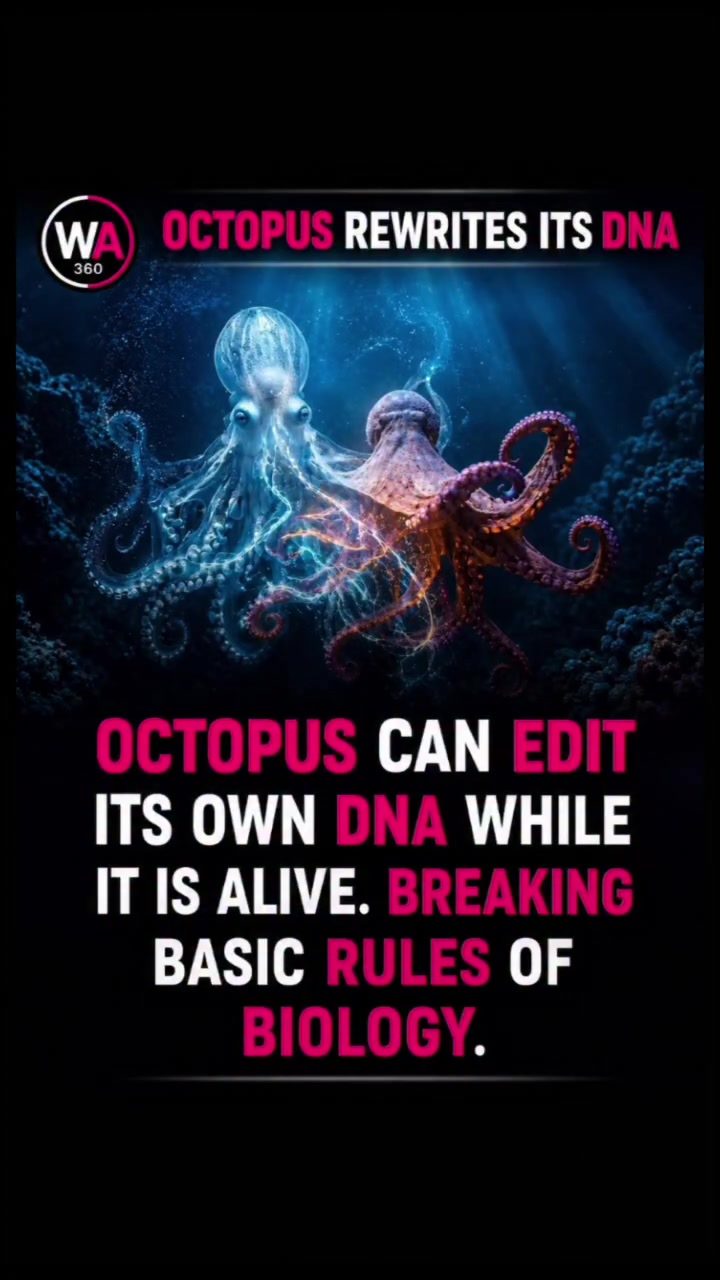
Octopuses: DNA Editing Marvels of the Ocean
Octopuses are renowned for their intelligence and adaptability, but one of their most astonishing abilities is their capacity to edit their own DNA while alive. This fascinating trait allows them to modify their genetic instructions in response to environmental changes, making them uniquely equipped to thrive in the ever-changing ocean landscape.
Why This Matters
The ability of octopuses to edit their DNA challenges conventional biological understanding. Most organisms rely on genetic changes that occur over generations to adapt to new environments. In contrast, octopuses can alter their genetic instructions during their lifetime, providing them with a remarkable level of adaptability. This characteristic not only highlights the octopus's biological complexity but also offers intriguing possibilities for genetic research and medical advancements.
Main Discussion
The Mechanism of DNA Editing
Octopuses possess a unique form of genetic editing that allows them to modify how certain genes are expressed. This process, known as RNA editing, involves changing the RNA molecules that serve as blueprints for protein production. By altering these RNA molecules, octopuses can adjust their genetic instructions without permanently altering their DNA. This capability is particularly useful for adapting to changes in ocean temperatures and environments, enabling these creatures to survive and evolve more effectively.
Biological and Environmental Adaptations
One of the primary advantages of an octopus's DNA editing ability is its capacity to adapt to changing environmental conditions. For instance, variations in ocean temperatures can significantly impact marine life. Octopuses can modify their genetic instructions to better withstand these fluctuations, ensuring their survival in harsh environments. This level of adaptability is not only fascinating but also crucial for the octopus's survival in a dynamic ocean ecosystem.
Implications for Scientific Research
The study of octopus DNA editing has broad implications for scientific research. By understanding how octopuses modify their genetic instructions, scientists may gain new insights into genetic mechanisms and evolutionary processes. This knowledge could lead to breakthroughs in fields such as genomics, evolutionary biology, and even medical treatments. For example, understanding RNA editing in octopuses could pave the way for developing new therapies that target specific genetic diseases in humans.
Future Medical Applications
The potential for medical applications stemming from octopus DNA research is promising. For instance, learning about the mechanisms behind RNA editing could inspire new approaches to treating genetic disorders. By mimicking the octopus's ability to edit its genetic instructions, researchers might develop therapies that target specific genes implicated in diseases like cancer or neurodegenerative disorders. This could revolutionize the way we approach genetic therapies and offer new hope for patients.
Ethical Considerations
While the potential benefits of octopus DNA research are vast, it also raises ethical considerations. The ability to edit genetic instructions in living organisms raises questions about the potential misuse of this technology. It is crucial to approach this field with caution and consider the ethical implications of manipulating genetic codes. Ensuring responsible research and development will be key to harnessing the benefits of DNA editing while mitigating potential risks.
Practical Tips
For Researchers
For researchers interested in studying octopus DNA, here are some practical tips:
- Collaborate with Marine Biologists: Working with experts in marine biology can provide valuable insights into the natural habitats and behaviors of octopuses, enhancing the understanding of their genetic editing mechanisms.
- Utilize Advanced Technologies: Employ cutting-edge technologies such as RNA sequencing and CRISPR to study the genetic modifications in octopuses. These tools can help researchers uncover the specific mechanisms behind DNA editing.
- Ethical Guidelines: Adhere to ethical guidelines for conducting research on marine organisms. Ensure that research practices are non-invasive and respectful of the natural habitats of octopuses.
For Conservation Efforts
For those involved in marine conservation:
- Protect Octopus Habitats: Preserving the natural habitats of octopuses is essential for maintaining their biodiversity. This includes protecting coral reefs, seagrass beds, and other ecosystems where octopuses thrive.
- Monitor Population Health: Regularly monitor the health and population status of octopuses. Understanding how environmental changes affect their genetic adaptations can help inform conservation strategies.
- Promote Sustainable Practices: Encourage sustainable fishing and marine practices to minimize the impact on octopus populations. This can help ensure that these remarkable creatures continue to thrive in our oceans.
Important Takeaways
- Octopuses have a unique ability to edit their own DNA, allowing them to adapt to changing environmental conditions.
- This genetic editing process involves RNA editing, which modifies how certain genes are expressed without permanently altering the DNA.
- Understanding this process can provide valuable insights into genetics, evolution, and potential medical applications.
- Ethical considerations are crucial in the study and application of genetic editing technologies.
- Conservation efforts are essential for protecting octopus habitats and ensuring the survival of these remarkable creatures.
Conclusion
Octopuses' ability to edit their own DNA is a testament to the incredible diversity and complexity of life on Earth. By studying this process, we can gain new insights into genetics, evolution, and potential medical applications. As research continues, the octopus's remarkable adaptations may unlock new avenues for scientific discovery and conservation efforts. Whether through scientific inquiry or conservation practices, understanding and appreciating the octopus's extraordinary capabilities is a journey that promises to deepen our connection with the natural world.
Watch the Reel
Questions readers ask
How do octopuses edit their DNA during their lifetime?
Octopuses are able to edit their DNA through a process involving RNA molecules, which help modify specific DNA sequences. This process, similar to RNA editing, allows octopuses to change their genetic instructions in response to environmental changes without waiting for generational changes.
What is the significance of octopuses’ DNA editing ability?
This ability is significant because it enables octopuses to adapt to their environment swiftly. While most organisms rely on genetic changes over generations, octopuses can modify their genetic instructions during their lifetime, making them highly resilient in the ever-changing ocean landscape.
How does DNA editing help octopuses adapt to environmental changes?
DNA editing allows octopuses to adjust their genetic instructions in response to environmental changes. This means they can quickly develop traits that help them survive and thrive in new or challenging conditions, such as changes in temperature, salinity, or the presence of predators.
What is the unique trait that makes octopuses stand out in the animal kingdom?
Unlike most animals, octopuses can edit their own DNA while alive. This trait enables them to modify their genetic instructions in real-time, providing them with a remarkable level of adaptability and resilience in the face of environmental changes.
Why is the octopus’ DNA editing ability notable compared to other animals?
The octopus’ ability to edit its DNA is notable because it challenges conventional biological understanding. Most animals rely on genetic changes that occur over generations to adapt to new environments, but octopuses can alter their genetic instructions during their lifetime, making them exceptionally adaptable.
Can other animals edit their DNA like octopuses?
While some animals may have limited DNA editing capabilities, the extent to which octopuses can edit their DNA is unique. This advanced form of DNA editing allows octopuses to modify their genetic instructions in real-time, setting them apart from most other animals.
What makes octopuses so resilient in the ocean?
The ability of octopuses to quickly edit their DNA allows them to adapt to changing environmental conditions. This resilience is crucial in the ever-shifting ocean landscape, where conditions can vary significantly. It enables octopuses to survive and thrive in diverse and challenging environments.
What is the primary driver of DNA editing in octopuses?
The primary driver of DNA editing in octopuses is their need to adapt to environmental changes. By modifying their genetic instructions in response to these changes, octopuses can ensure their survival and thrive in diverse conditions. This ability is crucial for their success in the dynamic ocean environment.
Related deep dives
Similar reads based on topic and creator.




Recent articles
Fresh deep dives from the latest Reels we unpacked.




Comments
Be the first to comment.