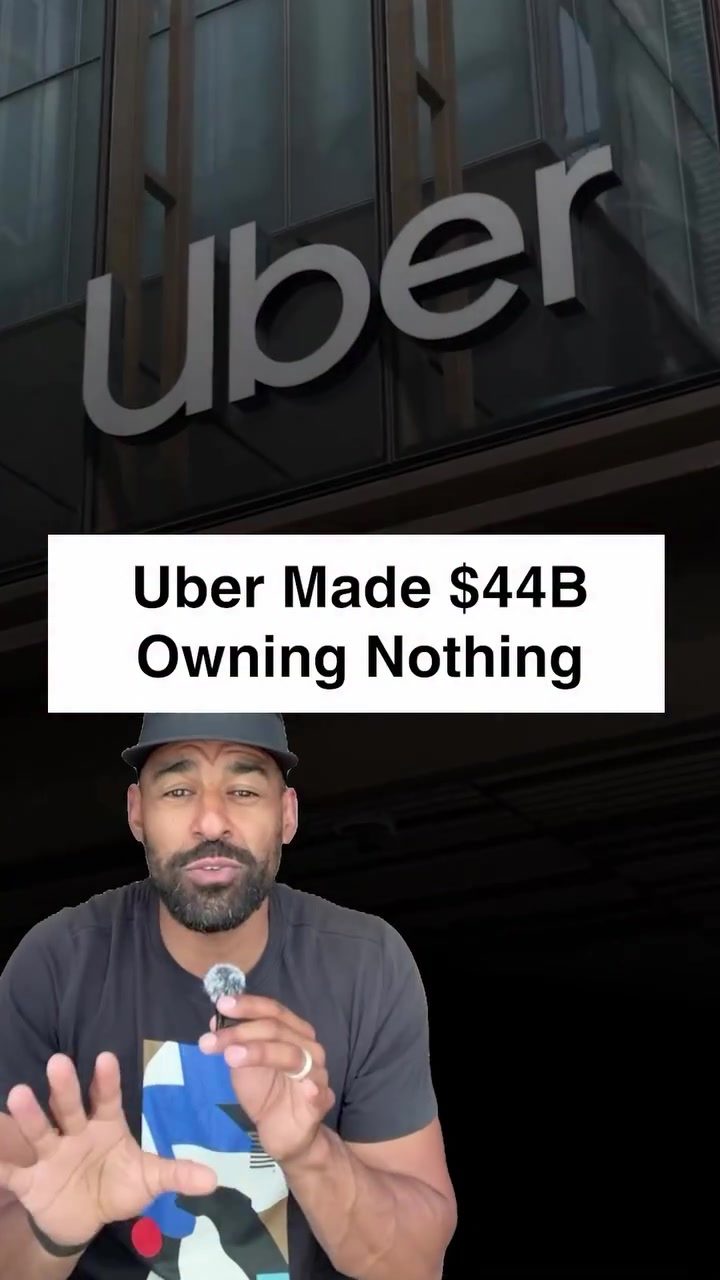
Uber's Business Model: Connecting Supply and Demand
Uber, a global leader in transportation, has managed to achieve massive success without owning a single car. This unique business model has allowed Uber to become one of the largest transportation companies on Earth. The core of Uber's strategy is connecting people who have assets—like cars—with those who need them. This model is not unique to Uber; it's shared by other giants like Airbnb and Facebook Marketplace. These companies have figured out that the most valuable assets in the world are often owned by regular people and are underutilized. By positioning themselves as the intermediary, these companies facilitate transactions and take a percentage of every interaction. This approach unlocks existing supply and creates a marketplace that benefits all parties involved.
Why This Matters
The business model employed by Uber, Airbnb, and other similar platforms is both innovative and highly effective. It relies on the principle of connecting supply and demand without the need for owning the assets themselves. This model is not just about transportation or real estate; it's about creating a network where value is generated through the connections made between users. Understanding this model can provide insights into how to build and scale a successful business in various industries.
The Key Components of Uber's Business Model
Unlocking Underutilized Assets
Uber doesn't own any cars, but it has built a vast network of drivers who are willing to share their vehicles. Similarly, Airbnb doesn't own any properties, but it connects hosts with guests who need temporary accommodation. Facebook Marketplace, on the other hand, facilitates the buying and selling of goods without owning any inventory. The common thread is that these companies leverage underutilized assets owned by individuals. This approach not only reduces the need for significant capital investment but also ensures that the assets are used more efficiently.
Balancing Supply and Demand
One of the biggest challenges in running a marketplace business is maintaining a balance between supply and demand. If there are too many drivers and not enough riders, drivers will leave. Conversely, if there are too many hosts and not enough guests, hosts will stop listing their properties. This delicate equilibrium is crucial for the success of the platform. Uber, Airbnb, and similar companies have developed sophisticated algorithms and strategies to ensure that supply and demand remain in balance. This equilibrium is constantly monitored, and adjustments are made to maintain it.
The Network Effect
Once a marketplace platform reaches a certain scale, it benefits from the network effect. This means that as more users join the platform, it becomes more valuable for everyone already on it. For example, when more drivers are available, riders get faster pickups. Similarly, when more hosts list their properties, guests have better options. This creates a virtuous cycle where the platform's value increases exponentially with each new user.
Own the Marketplace, Not the Asset
Uber and similar companies have realized that owning the trust between two strangers is more valuable than owning the assets themselves. Every time a transaction occurs between a driver and a rider, or a host and a guest, the platform earns a fee. Thismodel emphasizes the importance of facilitating trust and ensuring that transactions are smooth and secure. By focusing on the marketplace rather than the assets, these companies have created scalable and sustainable businesses.
The Importance of Trust
Trust is the cornerstone of Uber's business model. When a rider hops into a stranger's car or a guest stays in a stranger's home, there is an implicit trust that the transaction will be safe and reliable. Companies like Uber and Airbnb have invested heavily in building trust through ratings, reviews, and robust customer support systems. This trust is what makes the model work and allows these companies to generate revenue from every transaction.
Practical Tips for Building a Successful Marketplace
Identify Underutilized Assets
Start by identifying assets that are underutilized in your target market. These could be cars, properties, tools, or even skills. The key is to find assets that are owned by individuals but are not being used to their full potential.
Create a Seamless Connection
Develop a platform that seamlessly connects those who have the assets with those who need them. This requires a user-friendly interface, efficient algorithms, and reliable logistics. The goal is to make the transaction as smooth and hassle-free as possible.
Maintain Supply and Demand Balance
Implement systems to constantly monitor and balance supply and demand. This could involve dynamic pricing, incentives for suppliers, and promotional offers for users. The goal is to ensure that both sides of the marketplace are satisfied and that the platform remains valuable to all users.
Leverage the Network Effect
Encourage growth by leveraging the network effect. As more users join the platform, it becomes more valuable. Offer incentives for referrals, integrate social sharing features, and continuously improve the user experience to attract and retain users.
Build Trust and Security
Invest in building trust and security. Implement robust rating and review systems, offer reliable customer support, and ensure that all transactions are secure. Trust is the foundation of any successful marketplace, and it's essential to prioritize it from the start.
Important Takeaways
The business model of companies like Uber, Airbnb, and Facebook Marketplace is centered around connecting underutilized assets with those who need them. This approach not only reduces the need for significant capital investment but also ensures that assets are used more efficiently. The key to success in this model is maintaining a balance between supply and demand, leveraging the network effect, and building trust between users. By focusing on the marketplace rather than the assets, these companies have created scalable and sustainable businesses.
Conclusion
Uber's business model is a testament to the power of connecting supply and demand. By unlocking underutilized assets and facilitating transactions, these companies have built some of the most valuable platforms on Earth. Understanding and implementing this model can provide valuable insights for entrepreneurs and businesses looking to create successful marketplaces. The key lies in maintaining a delicate balance, leveraging the network effect, and building trust between users. This approach not only ensures the scalability of the business but also creates a mutually beneficial ecosystem for all parties involved.
Watch the Reel
Questions readers ask
How does Uber generate revenue if it doesn't own any vehicles?
Uber generates revenue by acting as a middleman, connecting drivers with riders and taking a percentage of each ride's fare. This commission-based model allows Uber to profit without the need to own and maintain a fleet of vehicles.
What makes Uber's business model different from traditional taxi services?
Unlike traditional taxi services that own and operate their own vehicles, Uber's model connects independent drivers with passengers through a digital platform. This helps Uber maintain lower overhead costs and a larger, more flexible network of drivers.
How does Uber's marketplace model benefit drivers?
Uber's marketplace model provides drivers with a flexible way to monetize their personal vehicles. Drivers can work on their own schedules. This flexibility benefits people who need supplementary income or have varied daily schedules.
Can Uber's business model be applied to other industries?
Yes, Uber's business model can be applied to other industries. By connecting people who have underutilized assets with those who need them, Uber's model can be adapted to various sectors like lodging (Airbnb), goods exchange (Facebook Marketplace), or even services like food delivery and freelance work.
How does Uber ensure a consistent supply of drivers?
Uber ensures a consistent supply of drivers through its vast network of independent contractors. By offering flexible working hours and the ability to use their own vehicles, Uber attracts a large and diverse pool of drivers. Additionally, Uber's dynamic pricing model incentivizes more drivers to be on the road during high-demand periods.
What role does technology play in Uber's business model?
Technology is the backbone of Uber's business model. Uber uses mobile apps and sophisticated algorithms to connect drivers and riders in real-time, process payments, and manage demand. This technology enables a seamless user experience, efficient matching, and dynamic pricing.
How does Uber's model impact traditional transportation systems?
Uber's model has significantly disrupted traditional transportation systems by offering a more convenient, on-demand service. This has led to increased competition, improved service standards, and encouraged traditional taxi services to adopt digital platforms. However, it has also raised concerns about job security for traditional taxi drivers and increased traffic congestion in urban areas.
Related deep dives
Similar reads based on topic and creator.


Recent articles
Fresh deep dives from the latest Reels we unpacked.



Comments
Be the first to comment.