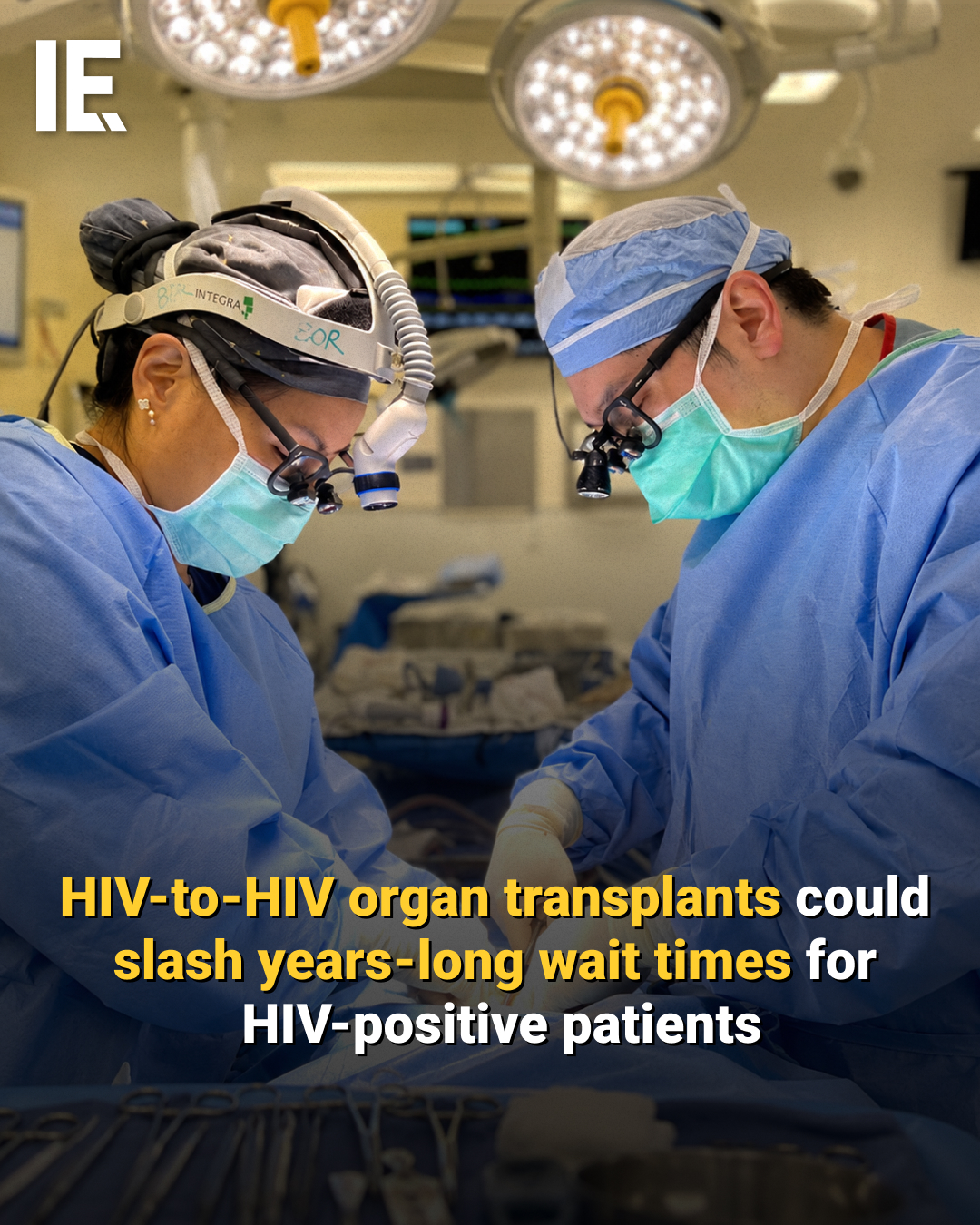
Potential breakthroughs are emerging in the field of organ transplants. These innovations could slash wait times for HIV-positive patients, but they also raise questions about the wider implications for organ allocation and patient care.
The Breakthrough: HIV-to-HIV Transplants
There are too many patients waiting for life-saving organ transplants. It is difficult for patients with HIV to find suitable organs. HIV-to-HIV organ transplants are a new approach that allows doctors to transplant organs between people with HIV. These transplants involve connecting HIV-positive donors to HIV-positive recipients. "HIV-to-HIV organ transplants could slash years-long wait times for HIV-positive patients." The strategy is distinctive because it taps into a previously underutilized donor pool, specifically those with HIV who might otherwise be excluded from donation. HIV-positive patients have complex medical needs. Currently, they can only receive organs from HIV-negative donors. This limits their options significantly. On one hand, it is possible to eliminate HIV via certain treatments. However, these treatments are still experimental. HIV is a complex virus with a long history and the process of decontaminating organs presents its own risks. Meanwhile, the number of HIV-positive individuals on waitlists continues to grow, making the wait times longer and longer. The approach of using organs from HIV-positive donors may seem counterintuitive, but it is driven by necessity. This new methodology is enabled by advancements in antiviral treatments. Medications have made it possible for people living with HIV to have undetectable viral loads. Undetectable means that the virus is suppressed to such low levels that it cannot be transmitted. This breakthrough allows for more flexibility in organ donation and addresses some of the most pressing health challenges facing HIV-positive patients. For instance, these patients have to deal with weakened immune systems which lead to increased vulnerability to infections.
Finding Balance in Organ Allocation
This approach could rewrite existing models for organ allocation. Doctors and policymakers must find a balance between providing lifesaving care and mitigating risks for organ recipients. The goal may be to reduce the infuriatingly long wait times, but emergencies to HIV treatment and organ donation will continue to arise. The ethical considerations surrounding organ allocation are complex, and any new approach must address fairness, equity, and patient safety. Historically, organ allocation has prioritized those with the greatest medical need and the best prognosis. HIV has complicated the issue. For example, the potential for organ-related health complications rises steeply for HIV-positive patients. Allocating organs from HIV-positive donors to HIV-positive recipients increases the risk of these complications, meaning each case requires a multidisciplinary approach. A multidisciplinary approach allows for a more comprehensive analysis of potential risks and benefits, ensuring that every recipient receives the best possible care. Meanwhile, with this HIV-to-HIV approach, if one HIV-positive patient receives a donated heart, another HIV-negative patient will receive a similar organ elsewhere. The procedure aims to simultaneously maximize donor pool availability and minimize disruptions to the existing system.
Risks and Challenges
Public and Medical Communities face Unique Challenges
While the potential benefits are substantial, so are the challenges. Public opinion and the perceptions of health care workers play a critical role. These new advances may be met with apprehension. The new developments could lead to unwanted stigma for HIV-positive donors. Further, there is skepticism about the effectiveness of organs from HIV-positive donors. Given the limitations of current data, medical professionals will need to conduct extensive research to build trust with both patients and donors.
Stigma and High-Stakes Surgery
HIV remains a highly stigmatized condition, and the stigma extends to those who donate their organs. This stigma is a significant barrier to the widespread adoption of HIV-to-HIV organ transplants. Public opinion is influenced by our society's ingrained biases about HIV. The idea that organ donation would further affect a person with HIV is a real risk. This could lead to reduced donation rates. The surgeons who perform these procedures will also be closely scrutinized. The medical community must develop robust guidelines to navigate these ethical challenges and ensure that the potential benefits of HIV-to-HIV transplants are fully realized.
Medical Monitoring: A steep Learning Curve
A critical aspect of the HIV-to-HIV approach is the rigorous monitoring required post-transplant. The risks of complications are higher in HIV-positive patients, and continuous medical surveillance is essential. The medical community needs to be aware of the potential unknowns that come with this treatment. For example, doctors must monitor for signs of infection or rejection. Careful medical monitoring is necessary to ensure the well-being and safety of HIV-positive recipients. The learning curve is steep, but patients with HIV deserve the best possible chance at a healthy life.
Guidance for Patients and Healthcare Professionals
The benefits could be substantial for patients who are HIV positive. HIV patients should discuss the new approach with their healthcare providers. It is a complex process, but will provide an alternative method for those who are in desperate need of a transplant, but cannot wait for the traditional methods of organ donation. By working with healthcare professionals to explore the options, patients can make informed decisions about their treatment.
- Educate Yourself: Research and talk to your healthcare providers about HIV-to-HIV organ transplants; gathering information will help to assuage any fears.
- Rethink Waiting Lists: Consider potentially shorter wait times for HIV patients if this approach becomes more widely adopted.
- Safety First: The benefits of an HIV-to-HIV transplant will outstrip the risks. Always ask questions and remain inquisitive about the procedure and the outcome.
- Stay Informed: New developments happen frequently — the medical community and potential recipients will need to keep up to date with the latest research and guidelines.
- Reach out to Support: Connect with those who have undergone HIV-to-HIV transplants for insights, advice, and encouragement.
An evolving Landscape
Medicine is a constantly evolving field, and organ transplantation is no exception. The challenges are steep, but the potential lifesaving advantages outweigh the risks. HIV-positive patients now have another tool to fight for a longer, healthier life. HIV is a complex virus, and there is a lot to understand. This new approach will continue to evolve as doctors and patients gain more experience with it. Meanwhile, as we continue to learn, this innovative method will leave no patient behind.
Watch the Reel
Questions readers ask
How do HIV-to-HIV organ transplants work and what makes them different from traditional transplants?
HIV-to-HIV organ transplants involve transplanting organs from HIV-positive donors to HIV-positive recipients. This approach is different from traditional transplants, which typically use organs from HIV-negative donors. The key difference is that HIV-to-HIV transplants tap into a previously underutilized donor pool, specifically those with HIV, who might otherwise be excluded from donation. This is made possible by advancements in antiviral treatments that allow people living with HIV to have undetectable viral loads, making the virus untransmittable.
Why are HIV-positive patients currently facing such lengthy waits for organ transplants?
HIV-positive patients face lengthy waits for organ transplants because they can only receive organs from HIV-negative donors, which significantly limits their options. This restriction, combined with the growing number of HIV-positive individuals on waitlists, results in longer wait times. Additionally, the process of decontaminating organs to eliminate HIV is still experimental and presents its own risks, further complicating the situation.
How does the HIV-to-HIV transplant approach address the unique medical needs of HIV-positive patients?
HIV-to-HIV transplants address the unique medical needs of HIV-positive patients by providing a more flexible and accessible donor pool. This approach is driven by the necessity to reduce wait times and save lives. HIV-positive patients often have weakened immune systems, making them more vulnerable to infections. By using organs from HIV-positive donors, this approach can potentially reduce the risk of organ-related health complications and provide lifesaving care to those in need.
What are the ethical considerations surrounding HIV-to-HIV organ transplants, and how are they being addressed?
The ethical considerations surrounding HIV-to-HIV organ transplants include fairness, equity, and patient safety. Doctors and policymakers must balance providing lifesaving care with mitigating risks for organ recipients. A multidisciplinary approach is often used to analyze potential risks and benefits, ensuring that each recipient receives the best possible care. This approach also addresses the complex issue of organ allocation, which has historically prioritized those with the greatest medical need and the best prognosis.
How do advancements in antiviral treatments enable HIV-to-HIV organ transplants?
Advancements in antiviral treatments have made it possible for people living with HIV to have undetectable viral loads, meaning the virus is suppressed to such low levels that it cannot be transmitted. This breakthrough allows for more flexibility in organ donation, as it eliminates the risk of transmitting the virus through the transplanted organ. This has significant implications for HIV-positive patients, who can now receive organs from a larger pool of donors, potentially reducing their wait times and improving their chances of receiving a lifesaving transplant.
Related deep dives
Similar reads based on topic and creator.




Recent articles
Fresh deep dives from the latest Reels we unpacked.




Comments
Be the first to comment.