The U.S. Air Force's Collaborative Combat Aircraft (CCA) initiative, spearheaded by General Atomics' Aeronautical Systems, introduces a new era of autonomous combat drones. Military aviation is evolving into a more lethal and stealthy domain, with unmanned aircraft and crewed fighters operating collaboratively in contested airspace.
Stealthy Unmanned Combat Aircraft for Air Dominance
The XQ-67A, MQ-20 Avenger, and YFQ-42A are the key platforms driving CCA's mission. Here's a closer look at the cutting-edge drone technology behind this evolution. At the core of CCA’s innovation is the concept of Collaborative Combat Aircraft: unmanned platforms designed to understand and act on complex scenarios in real time, working in tandem with crewed aircraft. CCAs are built to interpret and respond to threats in the form of radar spikes, unknown signals, and fast-moving objects entering battle zones with minimal delay. They collect data from their surroundings, including terrain, signals, and threats. This data is then analyzed by a system that runs real-time machine learning models trained on actual scenarios. Pilots interact with these platforms via objectives, priorities, patrol zones, and scans. The drone adjusts its flight path instantaneously, signaling the pilot with critical information as the data flows both ways. They seamlessly integrate with crewed fighters like the F-22 and F-35. This integration allows a single pilot to manage multiple unmanned vehicles, thus expanding the sensor reach into dangerous zones and detecting threats early. The system’s ability to process significant amounts of data translates into faster decision-making and enhanced situational awareness, giving pilots greater confidence while reducing response times.
Acknowledging the Complexity of the Modern Battlespace
The airspace currently grapples with both complexity and contention. The layered autonomy stack facilitates rapid interpretation and decision-making, enhancing the overall effectiveness of combat operations. According to the video script, autonomous systems predict and detect anomalies and hazards before they fully emerge. This augmentation significantly improves the human decision-making process by providing a comprehensive, real-time understanding of the battlefield.
Anomaly Detection and Predictive Movements
The ability of autonomous systems to detect and predict anomalies and hazards is critical in modern combat. By continuously monitoring and analyzing signals, movement, and environmental changes, they predict hazards before they fully materialize. This operational capacity creates a significant advantage on the battlefield, allowing for proactive rather than reactive responses.
The Autonomy Stack’s Real-Time Capabilities
The layered autonomy stack continuously interprets data in real-time; raw input isn't sufficient. Inside the aircraft, high-performance computing processes this information instantly, running machine learning models trained on real-world scenarios to detect patterns, correlate threats, and predict movement. This ability to provide real-time updates based on dynamic conditions ensures that decisions are always based on the most current information available.
Human-Oversighting: The Central Role
Even with advanced autonomous systems, human oversight remains crucial. While autonomy handles speed, complexity, and execution, the final judgment stays with the pilot. The goal is to amplify human decision-making rather than replace it. In contemporary air operations, the advantage goes to the side that understands the battlefield situation first. With General Atomic’s unmanned combat jets, that understanding happens in real time.
The Realities of Testing and Development
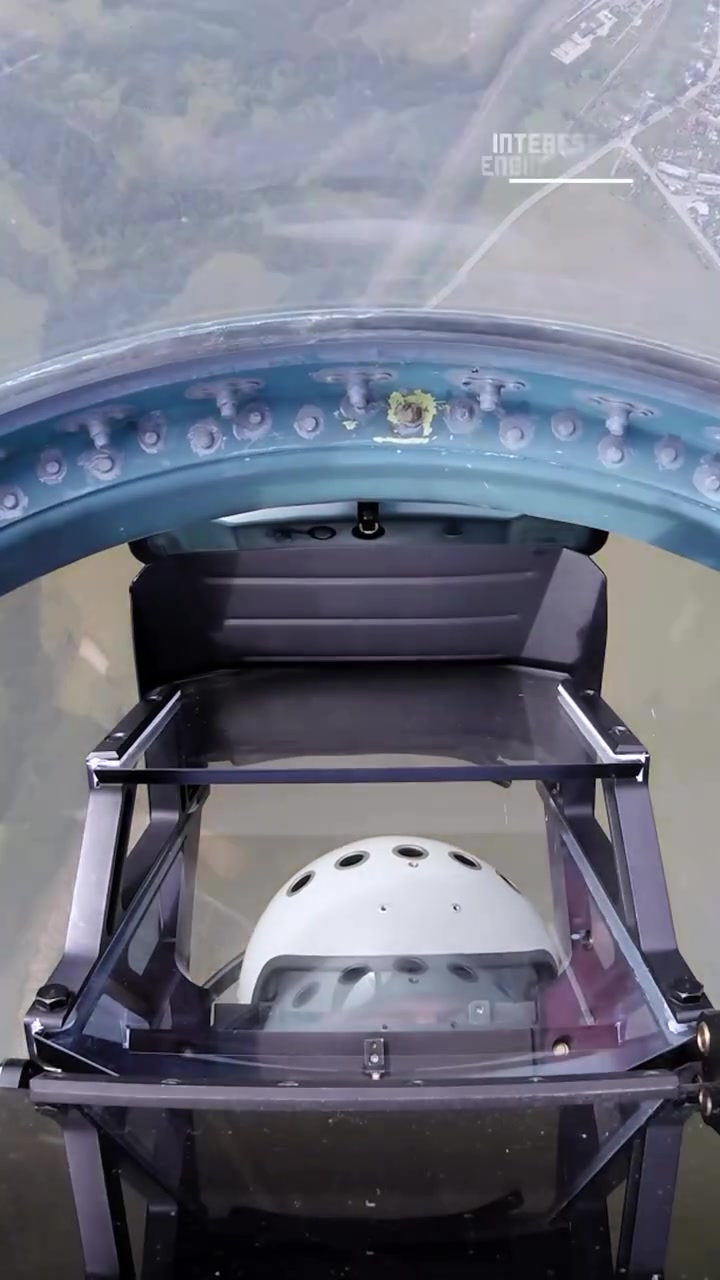
The XQ-67A drone stands out as a prime example of this advanced technology in action. The drone is designed for unmanned combat aerial vehicle operations. It includes a stealthy design, highlighting its operational capabilities. The first shots from inside a cockpit, possibly during flight testing, show the drone in both drone flight and runway settings. These visuals emphasize the real-world applications and testing phases of the CCAs, serving as a testament to the rigorous development and operational readiness of these unmanned systems. The XQ-67A features cutting-edge technology designed to provide real-time data fusion into a 3D battlespace model. The drone’s high-performance computing capabilities ensure that raw data is processed swiftly, with machine learning models aiding in threat prediction and detection. The integration of autonomous systems with crewed fighters like the F-22 and F-35 extends the sensor reach into contested zones, ensuring that threats are detected earlier. The system’s ability to predict and detect anomalies and hazards before they become urgent issues is crucial for operational success.
Practical Aspects of The CCA**
The XQ-67A, MQ-20 Avenger, and YFQ-42A are developed by General Atomics' Aeronautical Systems. Here's how you can learn more about these advanced platforms:
- Explore the Official Website: Visit General Atomics' Aeronautical Systems site for detailed information.
- Review Technical Documentation: Obtain white papers and technical reports on the XQ-67A, MQ-20 Avenger, and YFQ-42A.
- Engage with Military Forums: Participate in online communities where experts discuss the latest advancements.
Watch the Reel
Questions readers ask
What exactly is the XQ-67A drone and how does it work with crewed fighters?
The XQ-67A is a stealthy unmanned combat aerial vehicle developed by the U.S. Air Force. It works collaboratively with crewed fighters, like the F-22 and F-35, to enhance situational awareness and lethality in contested airspace. The drone collects and analyzes data in real-time, adjusting its flight path and providing critical information to the pilot.
How does the XQ-67A drone enhance situational awareness for pilots?
The XQ-67A drone enhances situational awareness by collecting and analyzing data from its surroundings, including terrain, signals, and threats. This data is processed in real-time, allowing the drone to detect and respond to threats quickly and provide critical information to the pilot, thus expanding the sensor reach into dangerous zones.
Can the XQ-67A drone operate independently, or does it always need to be controlled by a pilot?
The XQ-67A drone is designed to operate autonomously, interpreting and responding to complex scenarios in real-time. While it can act independently, it also collaborates with crewed aircraft, receiving objectives and priorities from the pilot and providing real-time updates.
What kind of data does the XQ-67A drone collect and how does it use this data?
The XQ-67A drone collects data from its surroundings, including terrain, signals, and threats. This data is analyzed by a system running real-time machine learning models, which helps the drone detect patterns, correlate threats, and predict movement, ultimately providing critical information to the pilot.
How does the XQ-67A drone integrate with other aircraft like the F-22 and F-35?
The XQ-67A drone integrates seamlessly with crewed fighters like the F-22 and F-35, allowing a single pilot to manage multiple unmanned vehicles. This integration expands the sensor reach into dangerous zones, detects threats early, and enhances situational awareness, giving pilots greater confidence while reducing response times.
What is the significance of the layered autonomy stack in the XQ-67A drone?
The layered autonomy stack in the XQ-67A drone facilitates rapid interpretation and decision-making by continuously interpreting data in real-time. It processes raw input instantly, running machine learning models to detect patterns, correlate threats, and predict movement, ensuring that decisions are always based on dynamic conditions.
What are the potential benefits of using the XQ-67A drone in modern combat scenarios?
The XQ-67A drone offers several benefits in modern combat scenarios, including enhanced situational awareness, faster decision-making, and the ability to detect and respond to threats quickly. Its autonomous capabilities allow for proactive rather than reactive responses, significantly improving the overall effectiveness of combat operations.
Related deep dives
Similar reads based on topic and creator.




Recent articles
Fresh deep dives from the latest Reels we unpacked.


Comments
Be the first to comment.