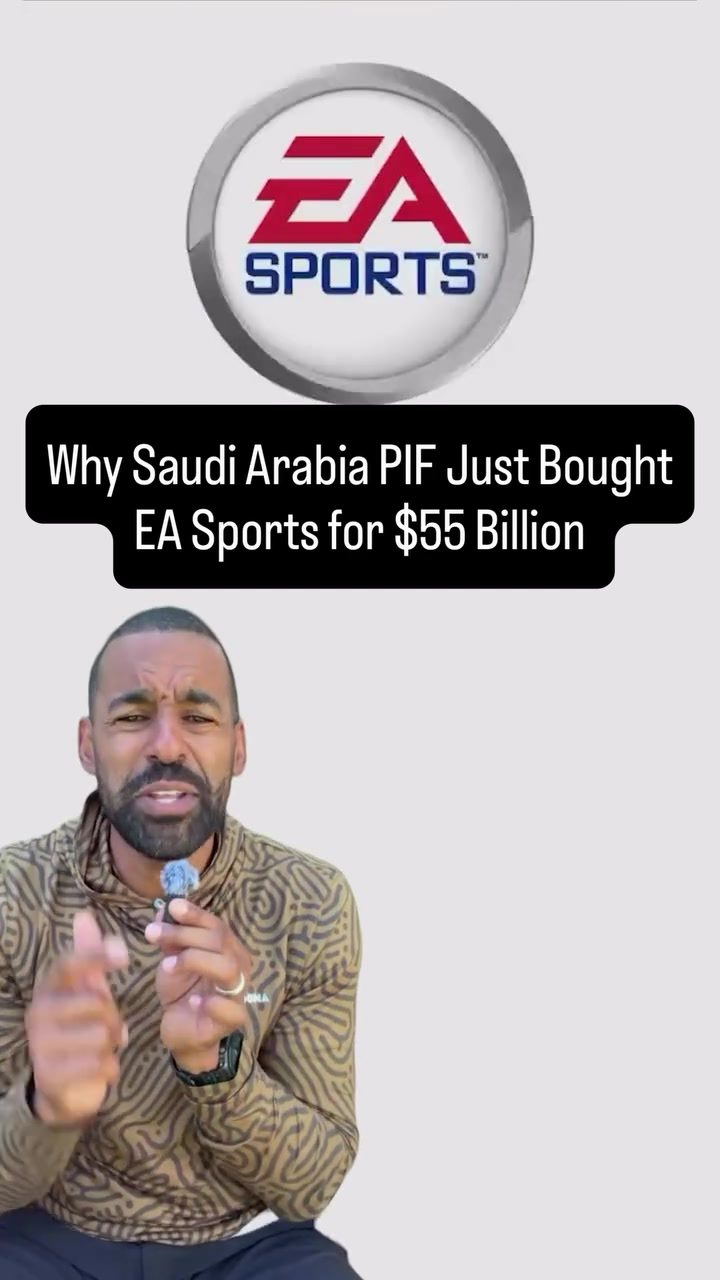
Saudi Arabia's Strategic Investment in EA Sports
Saudi Arabia's Public Investment Fund (PIF) has made a monumental move in the world of sports and entertainment by acquiring a 93% stake in Electronic Arts (EA), the company behind iconic gaming franchises like Madden, EA Sports FC, The Sims, Apex Legends, and Battlefield. This $55 billion deal is the largest leveraged buyout in history, marking a significant shift in how nations invest in and influence global culture and media.
Why This Matters
The acquisition of EA Sports by Saudi Arabia's PIF is more than just a business transaction; it's a strategic play to gain significant cultural and economic influence. By owning 93% of EA, Saudi Arabia gains control over digital platforms that capture the attention of 700 million people annually. This move is part of a broader trend where countries are increasingly competing over strategic assets like platforms, gaming, sports, AI, and media, rather than traditional commodities like oil.
The Strategic Shift from Oil to Platforms
Twenty years ago, countries competed over oil fields, but today, the focus has shifted to owning platforms that capture billions of hours of human attention. This shift is driven by the realization that attention is a more valuable commodity than any physical resource. By controlling these platforms, nations can exert significant cultural influence, soft power, and economic leverage.
Understanding the EA Sports Acquisition
The acquisition of EA Sports is particularly strategic because it gives Saudi Arabia ownership of digital simulations of every major sport. Unlike traditional sports investments, where owning a team or a league does not guarantee control over the audience, EA Sports' digital platforms ensure a direct connection with fans. This connection is not just about one-time purchases; it's about recurring revenue through subscriptions, in-game purchases, and digital content.
The Failure of Previous Investments
Prior to this acquisition, Saudi Arabia had invested in various sports ventures, including attempts to buy golf, soccer, and even high-profile athletes like Cristiano Ronaldo. However, these investments did not yield the desired results. Owning a high-profile athlete like Ronaldo means owning Ronaldo, not the sport itself. Similarly, building a golf tour like LIV Golf means owning the tour, not the audience. EA Sports, on the other hand, owns the digital versions of athletes and sports that billions of people engage with year-round.
The PIF's Broader Sports Strategy
The PIF, which also built LIV Golf and signed Ronaldo to the Saudi Pro League, has a clear strategy of investing in sports to gain global influence. By acquiring EA Sports, the PIF has added 700 million gamers to its portfolio, significantly increasing its reach and influence. This strategic move ensures that Saudi Arabia's investments in sports are not just about owning physical assets but about controlling the digital platforms that shape global sports culture.
The Economic and Cultural Impact
Owning a platform that captures billions of hours of human attention every day has implications far beyond economic gains. It provides Saudi Arabia with cultural influence, soft power, and economic leverage. By controlling platforms that billions of people interact with, Saudi Arabia can shape global narratives and gain significant influence in the digital age.
Practical Tips for Understanding Strategic Investments
- Look Beyond Traditional Assets: Understand that the value of traditional assets like oil is diminishing compared to digital platforms that capture human attention.
- Focus on Recurring Revenue: Investments in digital platforms often come with recurring revenue streams, making them more valuable than one-time purchases.
- Control the Audience: Owning a platform means owning the audience, which is far more valuable than owning a single team, athlete, or event.
- Leverage Soft Power: Digital platforms provide significant cultural and economic influence, making them strategic assets for nations and businesses alike.
- Stay Ahead of Trends: Keep an eye on emerging trends in technology and media, as they often hold the key to future economic and cultural dominance.
Important Takeaways
- Shift in Strategic Assets: Nations are increasingly focusing on controlling platforms, gaming, sports, AI, and media over traditional commodities.
- Value of Attention: Attention is a more valuable commodity than any physical resource, making digital platforms strategic assets.
- Recurring Revenue: Digital platforms offer recurring revenue through subscriptions, in-game purchases, and digital content.
- Cultural Influence: Owning digital platforms provides significant cultural and economic leverage.
- Future of Investments: The future of strategic investments lies in controlling digital platforms that capture global attention.
Conclusion
Saudi Arabia's acquisition of EA Sports is a clear indication of the shifting landscape in global investments. By focusing on digital platforms that capture billions of hours of human attention, nations can gain significant cultural and economic influence. This move underscores the importance of strategic assets in the digital age and sets a new standard for how countries and businesses should think about investments in the future.
Watch the Reel
Questions readers ask
What exactly does Saudi Arabia gain from acquiring a 93% stake in EA Sports?
By acquiring a 93% stake in EA Sports, Saudi Arabia gains significant control over one of the world's most influential digital platforms. This control allows Saudi Arabia to influence the content consumed by 700 million people annually, potentially reshaping global cultural narratives and trends.
How does this acquisition change the landscape of the sports industry?
This acquisition shifts the sports industry's dynamics by introducing a new power player with substantial financial resources and global reach. Saudi Arabia's investment in EA Sports could lead to increased innovation, expanded gaming opportunities, and a more diversified approach to sports content and marketing.
What is the significance of the $55 billion deal in the context of global influence?
The $55 billion deal is the largest leveraged buyout in history, underscoring Saudi Arabia's ambition to extend its influence beyond traditional sectors. This move signals a strategic shift from competing over resources like oil to controlling digital platforms that shape global attention and cultural trends.
Why is the reach of 700 million people significant in this acquisition?
EA Sports' reach of 700 million people annually means that Saudi Arabia will have a direct line to a vast and diverse global audience. This reach provides an unparalleled platform for promoting cultural initiatives, fostering digital engagement, and potentially influencing public opinion on a global scale.
What impact might this acquisition have on the gaming and entertainment industry?
The acquisition is likely to spur significant changes in the gaming and entertainment industry. With substantial investment and strategic guidance from Saudi Arabia, EA Sports may accelerate innovation, expand its market share, and set new industry standards, potentially leading to a more competitive and dynamic digital entertainment landscape.
How does this acquisition reflect Saudi Arabia's broader economic strategy?
This acquisition aligns with Saudi Arabia's broader economic strategy, known as Vision 2030, which aims to diversify the country's economy beyond oil. By investing in high-impact digital platforms, Saudi Arabia is positioning itself as a global leader in digital entertainment and cultural influence, fostering new opportunities for economic growth and job creation.
Related deep dives
Similar reads based on topic and creator.



Recent articles
Fresh deep dives from the latest Reels we unpacked.



Comments
Be the first to comment.