The Long, Slow Swallow
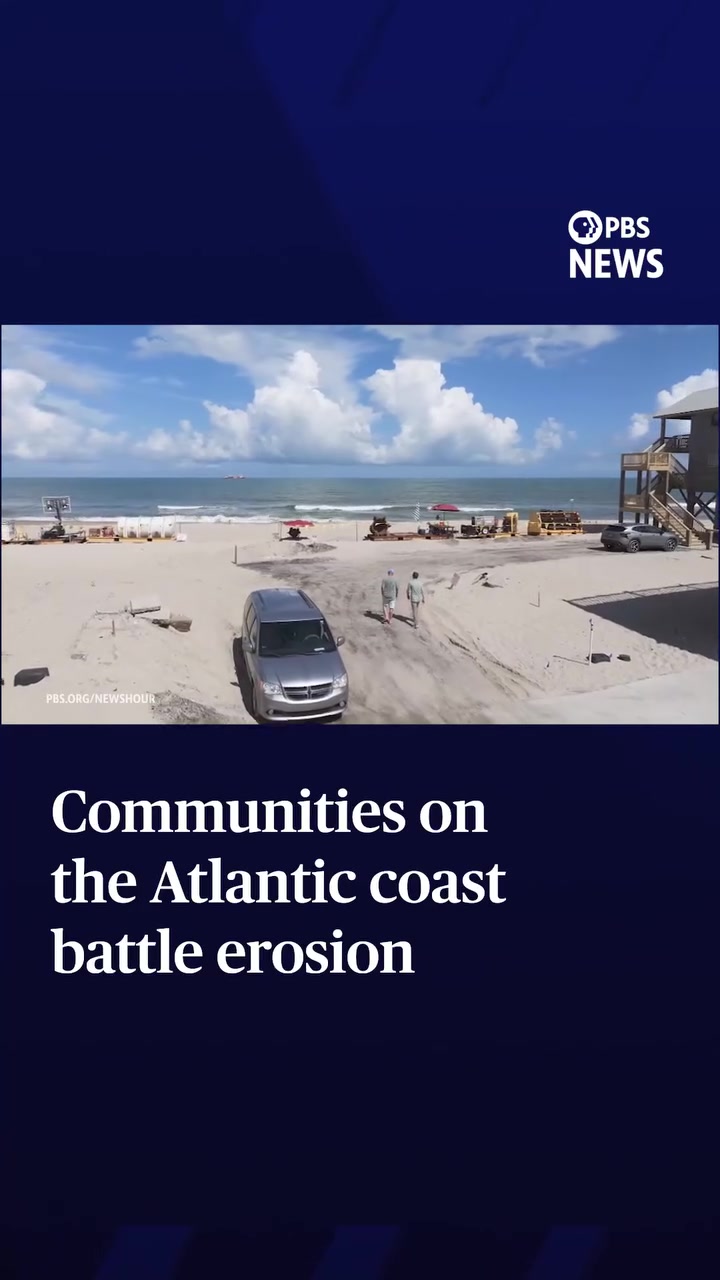
In the shadow of 21 houses, Buxton, North Carolina—part of the Outer Banks—has witnessed a dramatic shift in just a year. In the past year, 21 houses have collapsed into the Atlantic. Storms and waves have eroded the sand beneath these homes, swallowing them whole. Coastal erosion isn't just a seasonal nuisance; it's a relentless force reshaping the Atlantic coastline. Erosion changes the landscape, imperils homes, and challenges the communities that call these shores home. It's not a problem that can be wished away or ignored. Rising sea levels and increasingly powerful storms are accelerating the process, pushing the ocean inland and challenging the very idea of coastal living.
The Assault From the Sea
Coastal erosion is the gradual wearing away of land by waves, currents, and tides. This natural process is amplified by storms and sea-level rise, which push water further inland. Many homes along the Outer Banks were built in the 1960s and 1970s, when the ocean was hundreds of feet away. Today, the sea is at their doorstep, an unwelcome neighbor encroaching on their land. In Rodanthe, a community on the Outer Banks, the ocean is literally at the front door. Homes that once stood proudly on the beachfront are now teetering on the edge, victims of erosion's relentless march. Dave Halleck, superintendent of the Cape Hatteras National Seashore, notes that many of these homes will likely collapse as the ocean catches up to them. Reid Corbett, a coastal scientist at East Carolina University, describes erosion rates of 10 to 15 feet per year in some areas. This means communities are losing hundreds of feet of beachfront during the lifespan of a single mortgage. As the planet warms and ice melts, sea levels rise, allowing stronger storms to push water further inland. The sea level has already risen by a foot, and it continues to erode the coastline.
The Economic Toll
The financial impact of coastal erosion is staggering. Lant and his wife Debbie moved their entire house two blocks inland to a new lot they bought 600 feet from the water. The move cost them north of a quarter million dollars, a significant bite out of their retirement fund. Many homeowners can't afford such drastic measures, and most flood insurance policies don't pay until the house falls into the water.
The Human Toll
The emotional toll is even harder to quantify. For many residents, their homes are more than just buildings; they're legacies and lifetimes of memories. Tim Rath, a homeowner in Connecticut, lifted his 60-ton house nine and a half feet at a cost of $50,000. He's been through several major floods and is determined to protect his legacy for his grandson.
The Environmental Toll
Erosion isn't just about homes; it's about entire ecosystems. The beach in Buxton is being rebuilt to protect Highway 12, the only major road in the area. Rebuilding the beach costs about $50 million and has been done three times in 10 years. Critics argue that it's like shoveling money into the ocean, but for many, it's a necessary step to mitigate the inevitable.
Fighting Back
Communities along the Atlantic coast are exploring various strategies to combat erosion. On the Outer Banks, they are rebuilding beaches and repairing jetties to slow the erosion. In Connecticut, homeowners are lifting their houses to keep them above the rising tide. These efforts, while costly and labor-intensive, are seen as necessary to protect both homes and the environment.
Adapt and Obey
Ladd Williams, whose house was moved two blocks inland, understands that the future will look different. While he doesn't deny climate change, he believes in adapting to it rather than abandoning everything. For him, the view might have changed, but the house still feels like home. The battle against coastal erosion is far from over. As sea levels rise and storms grow stronger, communities will need to continue adapting, finding new ways to protect their homes and their way of life.
Watch the Reel
Recent articles
Fresh deep dives from the latest Reels we unpacked.



Comments
Be the first to comment.