A New Frontier
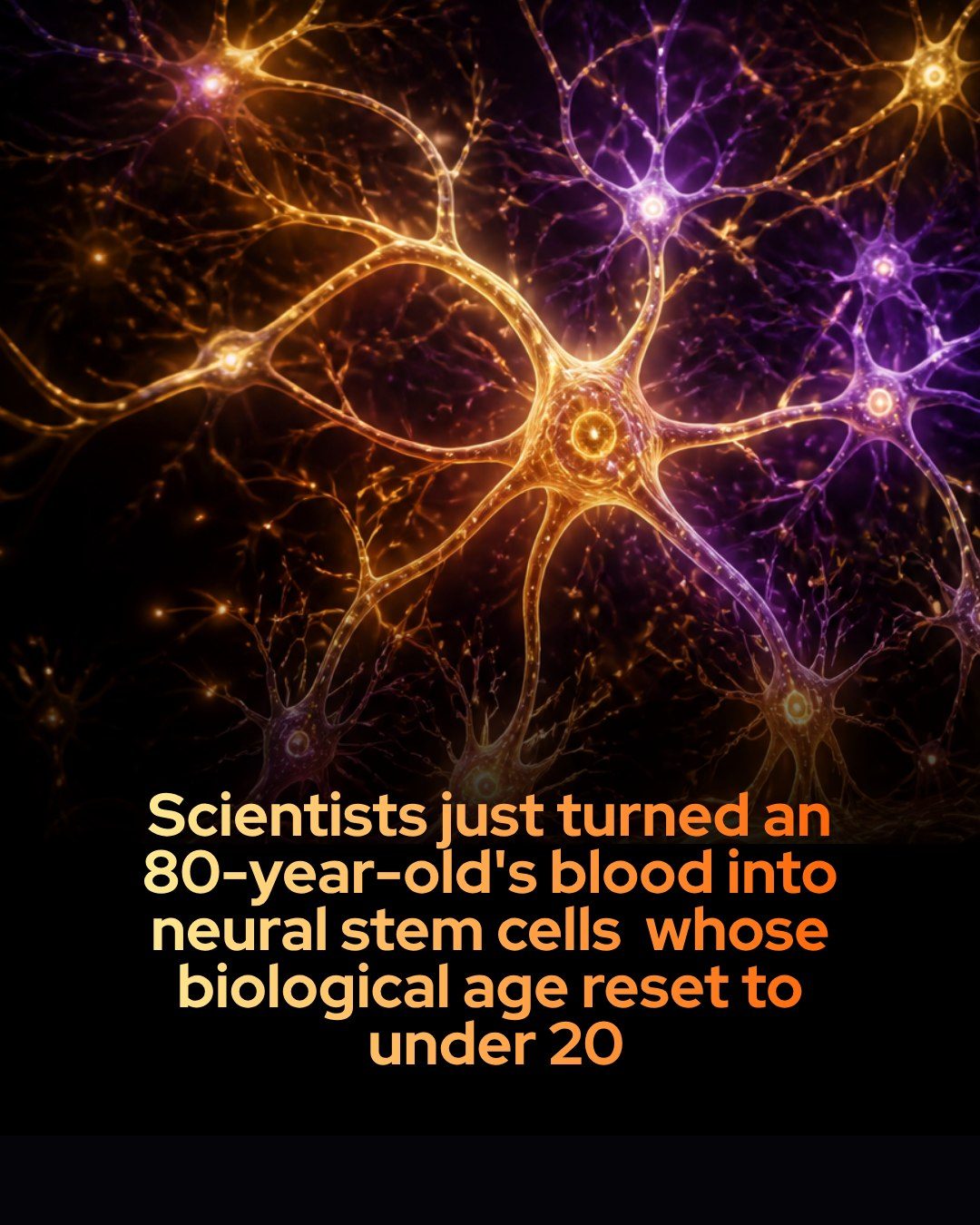
Stem cell technology has long been the subject of intense scientific exploration, yet the transformation of blood into neural stem cells through a single rejuvenating process introduces a new frontier. “Scientists just turned an 80-year-old's blood into neural stem cells whose biological age reset to under 20” as stated directly by overlayed text in the clip. At 80, the body often begins to exhibit significant signs of aging, from cognitive decline to physical frailty. The ability to reverse these effects could significantly alter the trajectory of age-related diseases. Clinical evidence strongly suggests that blood contains cells with a latent ability for transformation. If scientists unlocks the mechanisms behind this transformation, the findings may influence the field of regenerative medicine. These neural stem cells would theoretically be used to repair or regenerate damaged tissues, potentially reversing the effects of aging and disease.
Aging in Reverse
The precise mechanisms behind this age reset are still murky. Yet, the transformation of an 80-year-old's blood into neural stem cells effectively resets the individual’s biological age to under 20, it seems. Moreover, the capability of reprogramming somatic cells—cells with specific functions—into an earlier, more youthful state holds remarkable potential. This process could be a turning point in the quest to tackle age-related diseases, such as Alzheimer's and Parkinson's. Once the methodology is more clearly defined, it could pave the way for treatments that not only slow but potentially reverse the aging process. Think of it as rewinding the clock of an individual's biological age, offering a fresh start against the ravages of time.
Implications for Healthcare
The ramifications of this discovery extend beyond just a few diseases. Any chronic condition rooted in cellular aging could be targeted, from heart disease to diabetes. Even degenerative conditions like osteoarthritis and chronic obstructive pulmonary disease (COPD) may benefit. Rather than managing symptoms, healthcare providers might one day address the underlying cause of many ailments: aging itself. Ethical considerations aside, the idea of transforming blood into neural stem cells presents intriguing possibilities. The regenerative capabilities of stem cells could redefine how we tackle chronic and degenerative diseases. Imagine a future where patients with severe injuries or diseases could see significant improvements in their conditions, thanks to this groundbreaking research.
Challenges Ahead
However, these promising developments come with significant challenges. The process of converting blood into neural stem cells involves complex biological mechanisms. Consider the scientific community’s caution: there is still much to explore. Scientists must undertake substantial research to unravel the genetic and epigenetic factors at play in this transformation. Ethical and regulatory hurdles will also need to be addressed, especially as the potential for application widens. The journey from scientific discovery to clinical application is fraught with obstacles, not all of which are technical. Each step must also be evaluated for safety and efficacy, ensuring that any therapeutic benefits outweigh the risks. But for those working at the frontiers of stem cell research, the prospect of treating aging and age-related diseases would be a groundbreaking achievement, altering the very fabric of medical science.
Watch the Reel
Related deep dives
Similar reads based on topic and creator.
Recent articles
Fresh deep dives from the latest Reels we unpacked.


Comments
Be the first to comment.