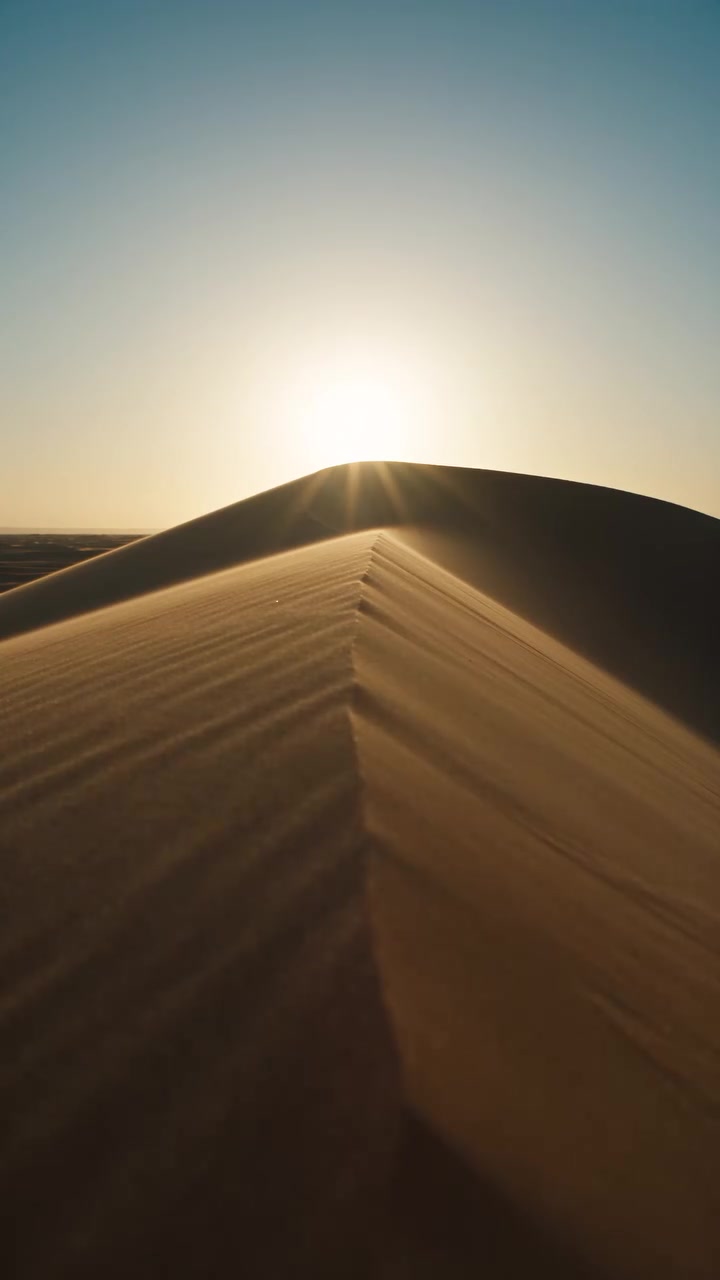
The Sahara Desert sends 27 million tons of dust across the Atlantic each year, directly contributing to the health of the Amazon rainforest. The dust carries with it phosphorus, a crucial nutrient lost to the rain. This annual delivery helps sustain the lush greenery of the Amazon.
Titan of Dust
The Sahara Desert doesn't only shape the global climate with its dust; it's a huge conveyor belt of nutrients. It's known for its immense sand dunes and brutal heat, but most people never imagine its sand storms as a crucial resource. the Sahara services a delicate ecological balance. The largest hot desert on Earth, the Sahara spans across northern Africa, giving way to the unassuming source of the trans-Atlantic dust plumes: the Bodélé Depression. The depression began as a prehistoric lake that evaporated thousands of years ago. The winds here carry the lake's sediment as African dust, which moves through the sky and eventually falls as the Amazon's fertilizer. The Bodélé Depression in Chad is the source of much of the dust traveling across the Atlantic. NASA satellites track the progress of the plumes. The winds pick up the air-borne particles during the winter winds, with continent-spanning dust storms. A typical journey of the particles takes less than a week to travel the plane of Atlantic Ocean.
The Sahara's Global Footprint
In the larger web of life, this simple transfer has massive ramifications. The Sahara "feeds" the Amazon by delivering hundreds of thousands of tons of phosphorus to it. The dust carries valuable phosphorus to the Amazon, replenishing soil nutrients which are otherwise leached by rain. The Amazon also releases gases like sulfur compounds and nitrogen oxides into the atmosphere. The Amazonian dust bounties not only fertilize the rainforest, but also feed the food chain in the ocean, helping marine life. The dust from the Sahara isn't just a global problem; it's a global resource. It is a significant source of nutrient in the Amazon rainforest. The dust helps maintain the delicate balance of nature. It fertilizes the Amazon, enhancing the rainforest’s ability to absorb carbon dioxide. The dust also impacts the Caribbean. During summer and autumn, the Saharan Air Layer—the atmospheric mass of dry air laden with dust—blows toward the Caribbean. The layer instigates the heavy thunderstorms that lead to flash floods. The dust plumes are monsoon catalysts that bring rain across the Americas, from the Atlantic to the Pacific. Winds pass over the Sahara gather dust in the air.
How Does It Move?
The winds play a vital role in the distribution of dust across the desert. Winter winds across the Sahara travel quickly, blowing across the Atlantic in about a week. This rapid movement makes the particles a global phenomenon. NASA satellites play a valuable role in tracking the dust plumes. The satellites reveal the Saharan dust plumes and their shifts in size and speed. The satellites also give a clear picture of the natural phenomenon—that is, the vast expanse of dust that travels across the Atlantic. The dust is also affected by climate change. Climate change has shifted the dust patterns in the Sahara which has impacted ecosystems that rely on the phosphorus.
To the Caribbean
The dust plumes also brings up new issues by affecting marine life. The marine life in the Caribbean Sea relies on the dust plumes, and without it the entire ecosystem may fall apart. The dust causes a large release of phosphorus that fertilizes the ocean. The dust plumes are essential to the Caribbean, but can be damaging to humans here because of the large release of dust. The Caribbean dust deposits also fuel a vivid sunset.
The Dust's Ecosystem Impact
The dust deposits phosphorus deep into the Amazon forest. The Amazon rainforest is nutrient-poor and relies on phosphorus from dust storms. Human activities also disturb the balance of dust and nutrients in the Amazon. Although climate change has altered the natural cycles, the dust still plays a major role in the Amazon. It is a unique feature of the desert, and is a major part of the Amazon rainforest's ecosystem.
Sourcing Saharan Dust
Watching the skies of northern Africa from a safe distance, should help you understand the rainforest that requires the Saharan dust to survive each year. Would you like to watch the dust plumes travel across the Atlantic? The sight is both beautiful and awe-inspiring, with swirling masses of dust rising up and traveling across the sea. The dust plumes travel across the Atlantic at high speeds, covering the entire distance in less than a week. Viewing the dust plumes is a unique experience, and should be a part of each person's bucket list.
Watch the Reel
Questions readers ask
How exactly does the Sahara Desert contribute to the health of the Amazon rainforest?
The Sahara Desert sends about 27 million tons of dust across the Atlantic each year, and this dust is rich in phosphorus, a crucial nutrient for the Amazon. The rain in the Amazon washes away nutrients from the soil, so this annual delivery of phosphorus helps sustain the lush greenery of the rainforest. The dust from the Sahara helps maintain the delicate balance of nature by fertilizing the Amazon, enhancing the rainforest’s ability to absorb carbon dioxide.
What is the Bodélé Depression and why is it significant in this process?
The Bodélé Depression is a prehistoric lake bed in Chad that has dried up over thousands of years. It's a key source of the dust that travels across the Atlantic to the Amazon, and it's the starting point for the trans-Atlantic dust plumes. The dust from the Bodélé Depression is carried by winter winds, and a typical journey takes less than a week to travel across the Atlantic Ocean.
How do NASA satellites help in understanding this phenomenon?
NASA satellites track the progress of the dust plumes across the Atlantic, revealing shifts in size and speed. They provide a clear picture of the vast expanse of dust that travels across the ocean, helping scientists understand the natural phenomenon and how it might be affected by climate change. The satellites also help in monitoring the impact of dust on the Amazon rainforest and the Caribbean.
What other regions are affected by the Saharan dust besides the Amazon?
The Caribbean is significantly affected by the Saharan Air Layer, which is a mass of dry air laden with dust that blows toward the region during summer and autumn. This layer can instigate heavy thunderstorms that lead to flash floods. Additionally, the dust plumes act as monsoon catalysts, bringing rain across the Americas, from the Atlantic to the Pacific.
How does climate change impact this dust phenomenon?
Climate change has shifted the dust patterns in the Sahara, which in turn impacts ecosystems both locally and globally. The changes in dust patterns can affect the amount of nutrients delivered to the Amazon and the frequency of dust storms in the Caribbean, altering the delicate balance of nature in these regions.
Can the dust from the Sahara be harmful to the environment?
While the dust from the Sahara is a vital nutrient source for the Amazon, it can have mixed effects elsewhere. In the Caribbean, the Saharan Air Layer can cause heavy thunderstorms and flash floods, which can be disruptive and potentially harmful. However, the dust also fertilizes the ocean, helping marine life. It is a double-edged sword, both beneficial and potentially harmful, depending on the region and the specific environmental conditions.
Related deep dives
Similar reads based on topic and creator.




Recent articles
Fresh deep dives from the latest Reels we unpacked.

Comments
Be the first to comment.