
AI Investment and OpenAI
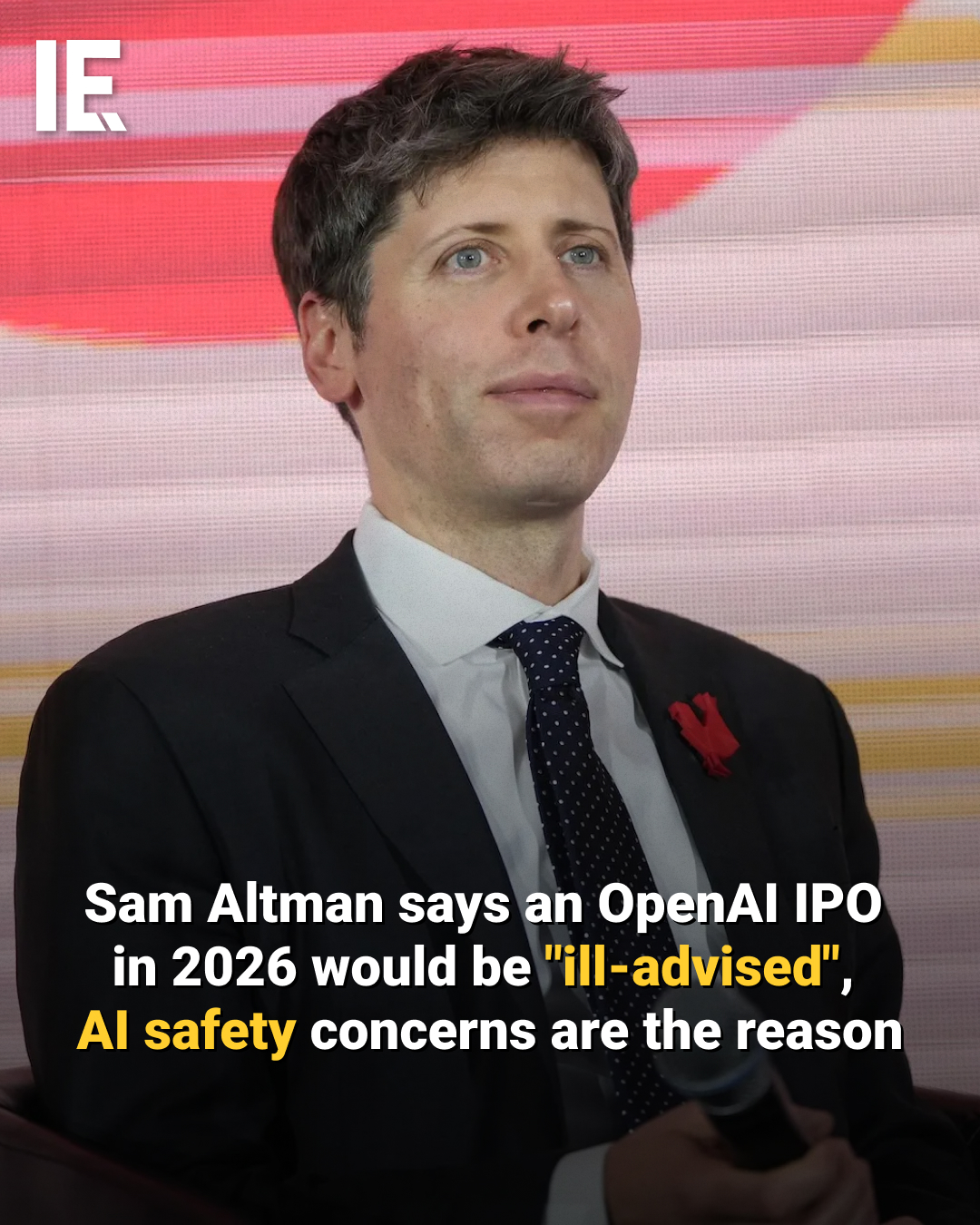
The recent dismissal of Elon Musk's $150 billion lawsuit against OpenAI and its leaders has significant implications for the AI industry and the upcoming Initial Public Offerings (IPOs) of major tech companies. The verdict, which took just 90 minutes of jury deliberation, ruled that Musk had waited too long to sue, invoking the statute of limitations. This decision clears the path for OpenAI's IPO and validates its for-profit restructuring. However, the legal battle may not be over just yet.
Why This Matters
The outcome of this lawsuit has far-reaching consequences for the AI industry, venture capital, and the tech IPO market. OpenAI's transition from a nonprofit to a for-profit entity has been a contentious issue, and the legal battles surrounding this shift have created uncertainty in the market. The dismissal of Musk's lawsuit removes a significant legal hurdle for OpenAI but leaves some questions unanswered.
The Legal Battle and Its Implications
The Verdict and Its Impact
Musk's lawsuit sought $134 billion in damages, the removal of Sam Altman and Greg Brockman from OpenAI, and the reversal of OpenAI's for-profit restructuring. However, the court dismissed the case on the grounds of the statute of limitations. This decision validates OpenAI's for-profit status and paves the way for its IPO, which is expected in the fourth quarter of this year at an $850 billion valuation. OpenAI had previously raised $122 billion at this valuation just two months ago, indicating strong investor confidence despite the legal challenges.
The Unanswered Question
While the court dismissed the lawsuit, it did not address the core question of whether OpenAI betrayed its nonprofit mission by transitioning to a for-profit structure. This question remains unanswered and is the subject of a separate investigation by the California Attorney General. This investigation, which involves a different plaintiff and is not subject to the same statute of limitations issues, could still result in further legal action against OpenAI.
The Legal Risk Moves
The dismissal of Musk's lawsuit does not mean the end of legal risks for OpenAI. The California AG's investigation and the potential for further legal challenges mean that the company will continue to face scrutiny. Additionally, the upcoming IPOs of SpaceX, valued at $1.75 trillion, and Anthropic, valued at $900 billion, add to the complexity of the situation. The first IPO to hit the market will set the valuation framework for the others, making the timing and success of these offerings crucial for the industry.
Musk's Strategic Move
Musk's lawsuit was not just about winning in court; it was about creating uncertainty. The legal cloud over OpenAI's profit structure arguably slowed institutional confidence and suppressed secondary market demand. This uncertainty may have benefited competitors like Anthropic, which has seen increased business adoption. Musk's team has indicated that they will appeal the verdict, but OpenAI is expected to IPO long before any appeal is resolved. This means the rivalry between Musk and OpenAI will continue, but it has now shifted to the stock market.
The Broader Context
The legal battle between Musk and OpenAI is part of a larger trend in the tech industry, where AI and space companies are preparing for highly anticipated IPOs. The combined valuation of these IPOs exceeds $3 trillion, making them some of the most significant offerings in history. The outcome of these IPOs will have a profound impact on the tech industry and the broader economy.
Practical Tips for Investors
Given the complexities and uncertainties surrounding these IPOs, investors should approach them with caution. Here are some practical tips to consider:
Do Your Due Diligence
Before investing in any of these IPOs, conduct thorough research. Understand the company's business model, financial performance, and market positioning. Pay close attention to any ongoing legal issues or regulatory challenges that could impact the company's future.
Diversify Your Portfolio
Given the high valuations and uncertainties surrounding these IPOs, it's essential to diversify your investment portfolio. Consider allocating your investments across different sectors and asset classes to mitigate risks.
Stay Informed
The legal and regulatory landscape for these companies is constantly evolving. Stay informed about any developments that could impact their IPOs or future performance. This includes monitoring ongoing legal battles, regulatory changes, and market trends.
Consider Long-Term Prospects
While the IPOs of these companies are highly anticipated, it's essential to consider their long-term prospects. Look beyond the hype and focus on the company's fundamentals, growth potential, and competitive advantages.
Important Takeaways
The dismissal of Musk's lawsuit against OpenAI has significant implications for the AI industry and the tech IPO market. While the verdict clears the path for OpenAI's IPO, it leaves some questions unanswered and creates new legal challenges. The upcoming IPOs of SpaceX, OpenAI, and Anthropic are some of the most anticipated in history, and their success will have a profound impact on the tech industry. Investors should approach these IPOs with caution, conducting thorough research and diversifying their portfolios to mitigate risks.
Conclusion
The legal battle between Elon Musk and OpenAI highlights the complexities and uncertainties surrounding the tech IPO market. While the dismissal of Musk's lawsuit clears the path for OpenAI's IPO, it also creates new legal challenges and uncertainties. The upcoming IPOs of SpaceX, OpenAI, and Anthropic are some of the most anticipated in history, and their success will have a profound impact on the tech industry. Investors should approach these IPOs with caution, conducting thorough research and diversifying their portfolios to mitigate risks. By staying informed and considering the long-term prospects of these companies, investors can make informed decisions and navigate the complexities of the tech IPO market.
Watch the Reel
Questions readers ask
What was the primary reason for the dismissal of Elon Musk's lawsuit against OpenAI?
The lawsuit was dismissed due to the statute of limitations. The court ruled that Elon Musk had waited too long to initiate legal action against OpenAI. This decision was made after only 90 minutes of jury deliberation.
How does the dismissal of the lawsuit impact OpenAI's plans for an IPO?
The dismissal of Elon Musk's lawsuit clears a significant legal hurdle for OpenAI, allowing the company to move forward with its anticipated Initial Public Offering (IPO). The decision validates OpenAI's transition to a for-profit model.
What does this legal victory mean for OpenAI's for-profit restructuring?
The court's decision to dismiss the lawsuit confirms the legitimacy of OpenAI's restructuring. This transition to a for-profit model was the subject of significant debate and legal challenges. OpenAI can now proceed confidently in preparing for its IPO.
What are the implications of this lawsuit for the broader AI industry?
The outcome of this lawsuit sets a precedent for the AI industry, influencing how companies navigate transitions from nonprofit to for-profit models. It also impacts investor confidence and may influence other tech companies' paths to an IPO.
Could there be further legal challenges for OpenAI despite the dismissal of this lawsuit?
While the dismissal of Elon Musk's lawsuit removes a major obstacle for OpenAI, the legal battle may not be entirely over. The company could still face additional legal challenges as it continues the IPO process.
What steps can OpenAI take to prepare for an IPO following this legal victory?
With the legal path cleared, OpenAI can now focus on preparing for its IPO by finalizing financial statements, meeting regulatory requirements, and strengthening its market position. This includes securing additional investments and strategic partnerships.
How does this court verdict impact the tech IPO market?
The verdict may encourage other tech companies to move forward with their IPO plans, as it demonstrates that legal challenges can be overcome. This could lead to a more active IPO market with greater investment opportunities.
Related deep dives
Similar reads based on topic and creator.



Recent articles
Fresh deep dives from the latest Reels we unpacked.




Comments
Be the first to comment.