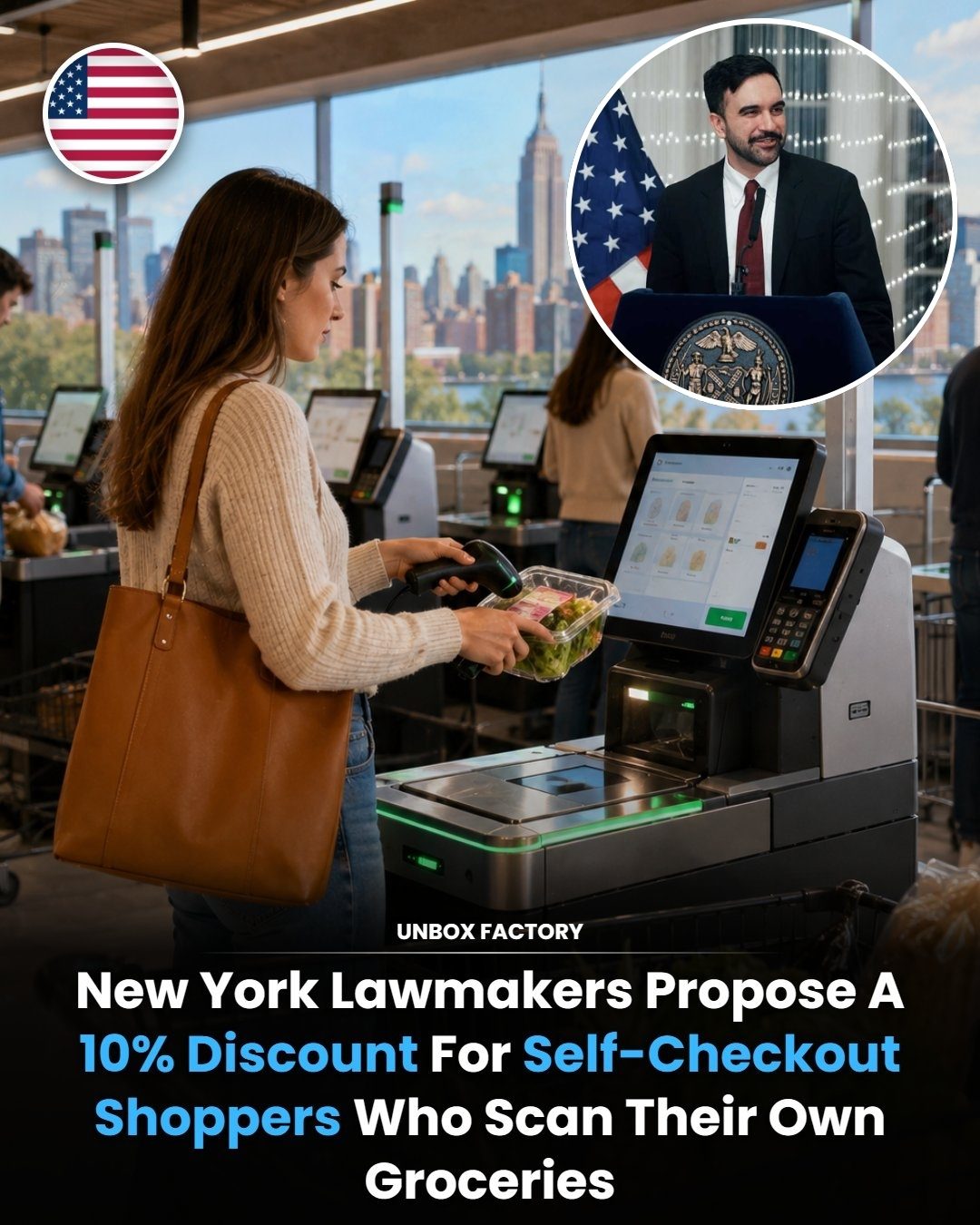
Self-Checkout Discount Proposal in New York
New York lawmakers have introduced a significant proposal that could reshape the retail landscape. The proposed legislation requires retailers to offer a 10% discount to customers who opt for self-checkout lanes. This discount is intended to acknowledge the additional labor that shoppers perform when they scan, bag, and process their own groceries—a task traditionally handled by store employees.
Why This Matters
The proposal by New York lawmakers is more than just a discount; it's a statement about the evolving dynamics between automation, labor, and consumer rights. As self-checkout systems become ubiquitous in supermarkets across the United States, the debate around who should bear the cost of these services has intensified. This proposal highlights the growing tension between the benefits of automation and the value of human labor, particularly in the retail sector.
The Economic Impact
One of the primary arguments against the proposal is the potential increase in operating costs for retailers. Opponents argue that offering a 10% discount could strain already tight profit margins, especially for smaller retailers who may not have the financial flexibility of larger chains. The additional cost could be even more significant for stores that rely on a high volume of self-checkout transactions.
However, supporters of the proposal see it as a way to compensate shoppers for the time and effort they invest in self-checkout processes. By recognizing the value of this labor, retailers could potentially attract more customers who appreciate the convenience and efficiency of self-checkout systems.
Consumer Behavior and Retail Strategy
The proposal also raises questions about how consumers will respond to the potential discount. Will shoppers be more likely to opt for self-checkout lanes if they know they can save 10% on their purchases? Retailers may need to consider how this change could influence customer behavior and adjust their strategies accordingly. For example, they might need to invest in more user-friendly self-checkout kiosks or offer additional incentives to encourage the use of these systems.
Broader Implications for Retail Technology
The implementation of self-checkout systems has already sparked a broader conversation about the future of retail technology. With the rise of automation, retailers are constantly looking for ways to improve efficiency and reduce costs. Self-checkout kiosks are just one example of how technology is reshaping the retail experience.
However, the proposal in New York underscores the need for a balanced approach. While automation can streamline operations and enhance customer convenience, it's essential to consider the impact on labor and consumer rights. Retailers and lawmakers alike must navigate this complex landscape, ensuring that technological advancements benefit all stakeholders involved.
Ethical Considerations
The ethical implications of the proposal are equally significant. By offering a discount to customers who use self-checkout, retailers are essentially acknowledging that shoppers are performing work that was once paid labor. This raises important questions about fairness and compensation in the age of automation. If shoppers are taking on tasks that were once carried out by employees, should they be compensated accordingly? And if so, how?
Practical Tips for Retailers
For retailers, adapting to this potential change requires strategic planning. Here are some practical tips to consider:
Assess the Financial Impact
Before implementing a 10% discount for self-checkout users, retailers should conduct a thorough financial analysis. This should include an assessment of current costs, potential savings from reduced labor, and the projected revenue impact of the discount. This analysis will help determine whether the proposal aligns with the store's financial goals and operational capabilities.
Enhance Self-Checkout Experience
Improving the self-checkout experience can encourage more customers to use these systems, even in the absence of a discount. Retailers can invest in more intuitive kiosks, offer clear instructions, and provide support to ensure a seamless transaction process. Enhancing the user experience can also mitigate some of the labor concerns, as customers may find the convenience worthwhile even without a discount.
Evaluate Staffing Needs
The proposal could also impact staffing needs. Retailers may need to re-evaluate their staffing models to accommodate the potential shift in customer behavior. For instance, if more customers opt for self-checkout, stores may require fewer cashiers but more support staff to assist with self-checkout issues. Understanding these shifts can help in making informed staffing decisions.
Important Takeaways
The proposed 10% discount for self-checkout users in New York is a pivotal moment in the ongoing debate about automation, labor, and consumer rights. Retailers, lawmakers, and consumers alike are grappling with the complexities of this issue, and the outcomes will likely shape the future of retail technology.
For Retailers
Retailers need to prepare for potential changes by conducting thorough financial analyses, enhancing the self-checkout experience, and evaluating staffing needs. This proactive approach will ensure that they are well-positioned to adapt to any legislative changes and continue to provide value to their customers.
For Consumers
Consumers should stay informed about the potential benefits and drawbacks of the proposal. While a 10% discount could mean significant savings, it's essential to consider the broader implications for labor and the retail industry. Engaging in this discussion can help shape policies that benefit everyone.
For Lawmakers
Lawmakers must balance the need for technological progress with the importance of fair labor practices. The proposal in New York is a step in this direction, but ongoing dialogue and potential adjustments will be necessary to ensure that all stakeholders are fairly compensated for their contributions.
Conclusion
The proposed 10% discount for self-checkout users in New York is a landmark proposal that highlights the intricate relationship between automation, labor, and consumer rights. It challenges retailers to reevaluate their strategies, consumers to consider the broader implications of their choices, and lawmakers to craft policies that balance innovation with fairness. As the retail industry continues to evolve, this debate will likely shape the future of how we shop, work, and interact with technology.
Watch the Reel
Questions readers ask
What is the purpose of the proposed 10% self-checkout discount in New York?
The proposed 10% discount aims to compensate shoppers for the extra tasks they perform when using self-checkout lanes, such as scanning, bagging, and processing their own groceries. These tasks are typically handled by store employees when using traditional cashier lanes.
How might the proposed discount impact consumer behavior in New York?
The discount could incentivize more shoppers to use self-checkout lanes, potentially reducing wait times and changing the overall shopping experience. It may also encourage more shoppers to compare prices and consider the perceived savings.
What are the potential benefits of self-checkout technology for retailers?
Self-checkout technology can lead to increased efficiency, shorter lines, and reduced labor costs for retailers. It also allows for a larger and more efficient floor space, as fewer cashiers are needed.
How does the proposed legislation address the value of labor in retail?
The proposal acknowledges the labor value involved in checking out groceries by offering a discount to shoppers who take on these tasks. This highlights the debate around who should bear the cost of these services.
What are the potential advantages of using self-checkout lanes for shoppers?
Self-checkout lanes can offer shoppers more control over the purchasing process, faster checkout times, and the convenience of skipping long lines. The additional discount can also make groceries seem more affordable.
How might retailers adapt their strategies in response to this proposed legislation?
Retailers may need to evaluate their budgeting, staffing, and floor plans in response to this legislation. To maximize their profits, retailers may offer lower prices on certain products while minimizing the labor savings. Retailers might also consider investing in more robust self-checkout technology to accommodate increased use.
What is the current status of the proposed self-checkout discount legislation in New York?
As of the latest information, the proposed 10% discount for self-checkout users in New York is a legislative proposal. The status of the bill and whether it becomes law is subject to ongoing political processes and potential amendments.
Related deep dives
Similar reads based on topic and creator.

Recent articles
Fresh deep dives from the latest Reels we unpacked.




Comments
Be the first to comment.