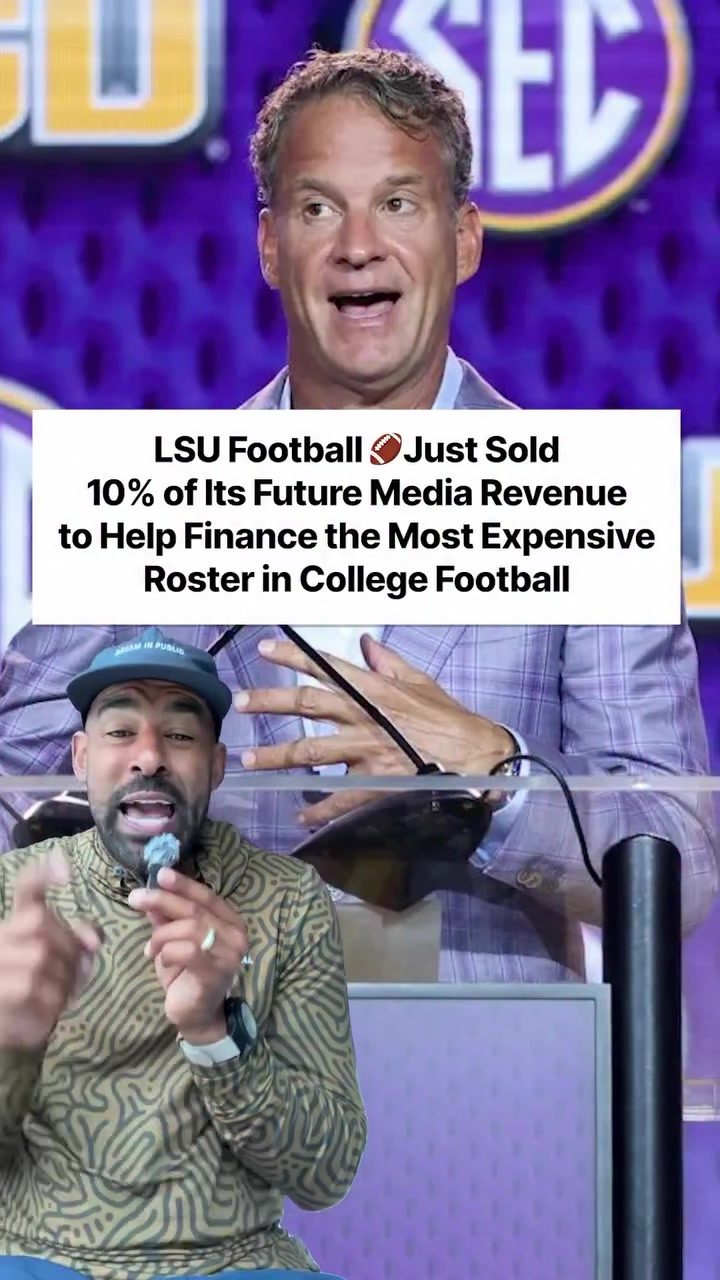
LSU's Financial Move: Selling Future Media Revenue for College Football
Lousiana State University recently announced that they sold 10% of its future media revenue to private equity investors, securing a $100 million upfront investment. This transaction helps finance the athletic department’s expensive roster, marking a significant shift in how college football programs are funded.
Why This Matters
College football is evolving, not just in terms of athletics, but also in financial strategy. The focus has shifted from building better stadiums to financing professional-level payrolls for athletes. This change is driven by the increasing costs of operating a top-tier college football program. Schools now face unprecedented expenses, including direct payments to athletes and additional revenue from third-party Name, Image, and Likeness (NIL) deals.
The Financial Shift in College Football
LSU's Expensive Roster
LSU's 2026 football roster is reportedly set to cost at least $40 million, making it the most expensive in the country. Additionally, the school is obligated to pay a $54 million buyout to former head coach Brian Kelly. These financial obligations highlight the growing financial complexity in college athletics.
Kentucky and Utah: Pioneers in Commercialization
Both Kentucky and Utah have taken steps to commercialize their athletic departments. Kentucky moved its department into an LLC, and Utah formed a for-profit company with private equity from Otro Capital. These moves allowed them to pursue commercial deals more aggressively, securing additional revenue to support their athletic programs.
The Role of Private Equity
The involvement of private equity in college athletics is a relatively new development. These investors are interested in the lucrative media rights tied to college football, which are expected to continue growing in value. By selling a share of their future media revenue, schools like LSU can secure significant upfront capital to finance current and future expenses.
The Evolving Role of the Head Coach
The head coach in college football is no longer just responsible for game strategy and player development. Modern head coaches must also act as recruiters and fundraisers. They need to convince not only athletes but also donors, sponsors, and investors that their program is the best place to allocate capital.
Recruiting in the NIL Era
The rise of NIL deals has changed the dynamics of college football recruiting. Top athletes are increasingly drawn to programs that can offer not just top-notch facilities and coaching, but also the financial means to maximize their earning potential. This shift has led programs to focus on building a talent acquisition machine, similar to the model popularized by Alabama's Nick Saban.
The Importance of Balance Sheets
In the coming decade, the schools that thrive in college football will be those with the strongest balance sheets. A school's ability to manage its finances and secure additional revenue streams will be as crucial as its on-field performance.
Practical Tips for Athletic Directors
Diversify Revenue Streams
Athletic departments should focus on diversifying their revenue streams. This can include seeking out commercial partnerships, selling media rights, and leveraging NIL deals to create additional revenue opportunities.
Invest in Talent Acquisition
Building a strong talent acquisition program is essential. This means not only recruiting top athletes but also attracting top coaches and administrative staff. Programs that can secure the best talent will likely see the best on-field results.
Engage with Private Investors
Exploring partnerships with private equity firms and other investors can provide a significant boost to an athletic department's financial resources. These partnerships can help fund major projects and provide the capital needed to remain competitive.
Important Takeaways
- Financial Strategy: College football programs must adopt a more sophisticated financial strategy to stay competitive. This includes leveraging media rights and forming commercial partnerships.
- Head Coach’s Role: The role of the head coach has evolved to include responsibilities beyond just coaching. Modern coaches must also be recruiters and fundraisers.
- Importance of Balance Sheets: Schools with the strongest balance sheets and financial management skills are likely to succeed in the coming years.
Conclusion
The financial landscape of college football is changing rapidly, with schools like LSU taking bold steps to secure their financial future. By selling a portion of their future media revenue and diversifying their revenue streams, these programs can stay competitive in an era of increasing financial complexity. The head coach's role has evolved to include responsibilities tied to recruiting and fundraising, and schools must focus on building strong balance sheets to succeed in the next decade.
Watch the Reel
Questions readers ask
What percentage of its future media revenue did LSU sell?
LSU sold 10% of its future media revenue to private equity investors. This sale allowed the university to secure a substantial upfront investment of $100 million.
Why is LSU selling its media revenue?
LSU is selling its media revenue to secure funding for its ambitious athletic goals. This includes managing rising costs such as professional-level payrolls and third-party Name, Image, and Likeness (NIL) deals.
How will LSU use the funds from the media revenue sale?
The funds will be used to finance the athletic department’s expensive roster, which includes covering the costs of high-level salaries for coaches and athletes. This move is part of a broader shift in college football, where schools are seeking innovative ways to finance top-tier programs.
What does this financial move signify for college football?
This financial move signifies a shift in how college football programs are funded. Instead of focusing solely on physical infrastructure, schools are now prioritizing financial strategies to cover the increasing costs of operating top-tier programs, including direct payments to athletes.
Who purchased LSU's future media revenue?
Private equity investors purchased 10% of LSU's future media revenue. This transaction highlights the growing involvement of private investors in college athletics financing, providing schools with the capital needed to compete at the highest levels.
Related deep dives
Similar reads based on topic and creator.




Recent articles
Fresh deep dives from the latest Reels we unpacked.




Comments
Be the first to comment.