
Under strain
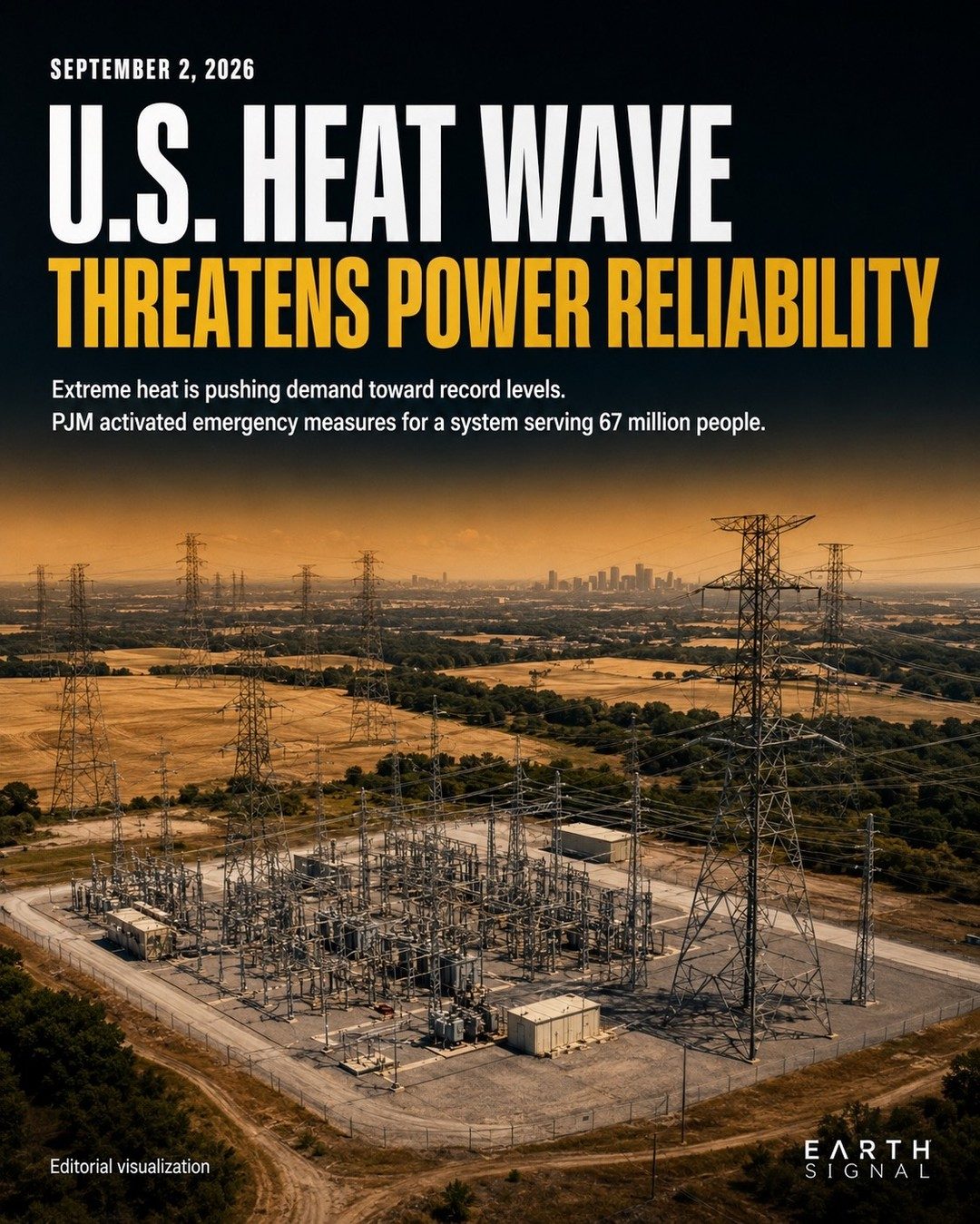
17 September The United States Mid-Atlantic and Midwest power grids are under duress. Total demand has surged, leading the largest grid operator to declare an emergency situation. The region's largest grid operator, Midcontinent Independent System Operator (MISO) covers nine states, but this is more than just regional issue. Seventy million people live there, their daily lives potentially disrupted by the grid's struggle. Heat is the main driver, explains NOAA, who reported a record-breaking heat wave. In Illinois, temperatures topped 91 degrees and the memory wafted in the sizzling air. Meanwhile, the power grid is not alone in its troubles. Wildfires have also surged in the US West, scorched acreage is a concern. The electrical grid is under additional burdens. "If this weather continues, then the doubt is we'll all face power outages," said Braddock Anderson, an engineer at the National Renewable Energy Laboratory. The grid's resilience is being pushed to its limits. The US power grid is aging rapidly.
Powering one planet
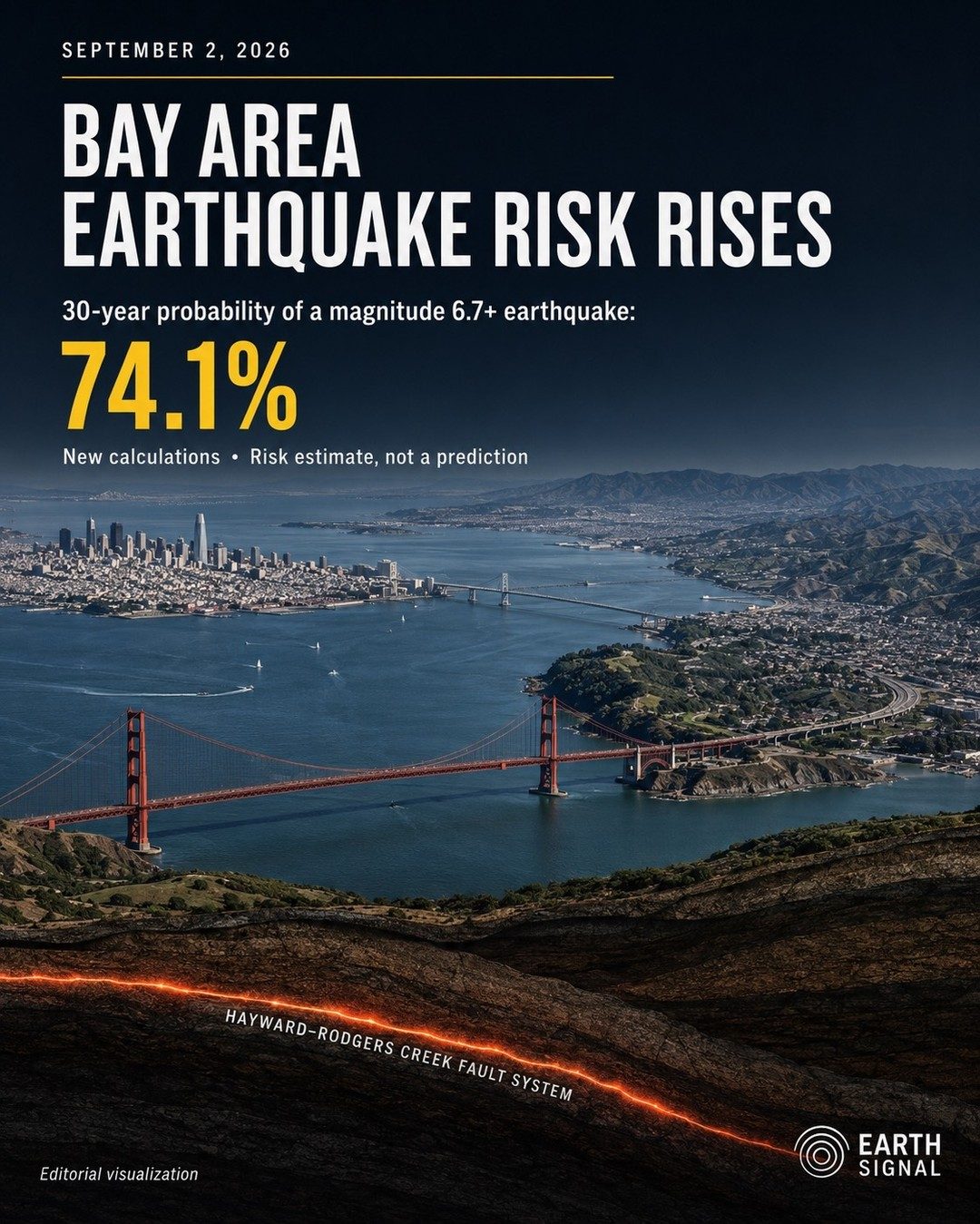
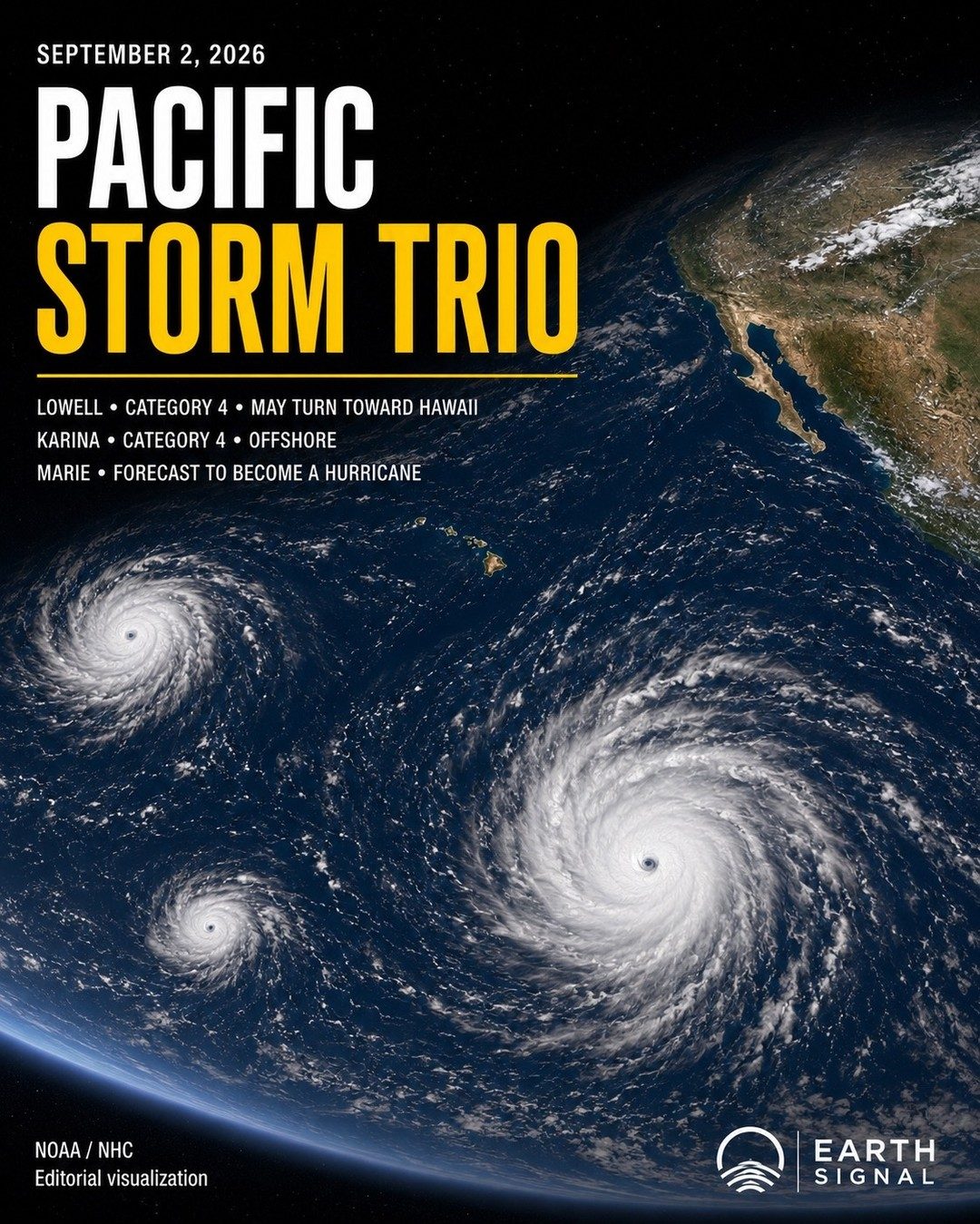
The Pacific hurricane season has shown signs of intensification. Hurricane Lowell rapidly escalated to a Category 4, potentially driven by the El Niño effect and will make landfall on Hawaii this weekend. Karina is a serious threat, too, but is forecast to veer offshore. The Pacific is not the only ocean to show hurricane activity. Marie, a storm further east, is set to become a hurricane. Such storms are a concern because they impact weather conditions thousands of miles away. The Bay Area's earthquake risk also increased. That area is a ticking time bomb, experts say. "The Bay Area has always faced a significant risk of earthquakes, but the latest data shows that the probability of a major quake has increased to 74% over the next 30 years. The likelihood of a magnitude of 6.7earthquake in the next 30 years is now 74%, up from 63%. This means that a major earthquake is increasingly likely to occur in this densely populated area. Dark matter, a mysterious and elusive form of matter that makes up about 80% of the universe's mass, might have been detected. Scientists in South Dakota have reported a potential hint of dark matter, though it's important to note that this is only a single event and not a confirmed discovery yet. It is likely the dark matter is a form of matter which interacts only through gravity, causing it to be extremely hard to detect.
Watch the Reel
Related deep dives
Similar reads based on topic and creator.



Recent articles
Fresh deep dives from the latest Reels we unpacked.
Comments
Be the first to comment.