Communication Unstoppped
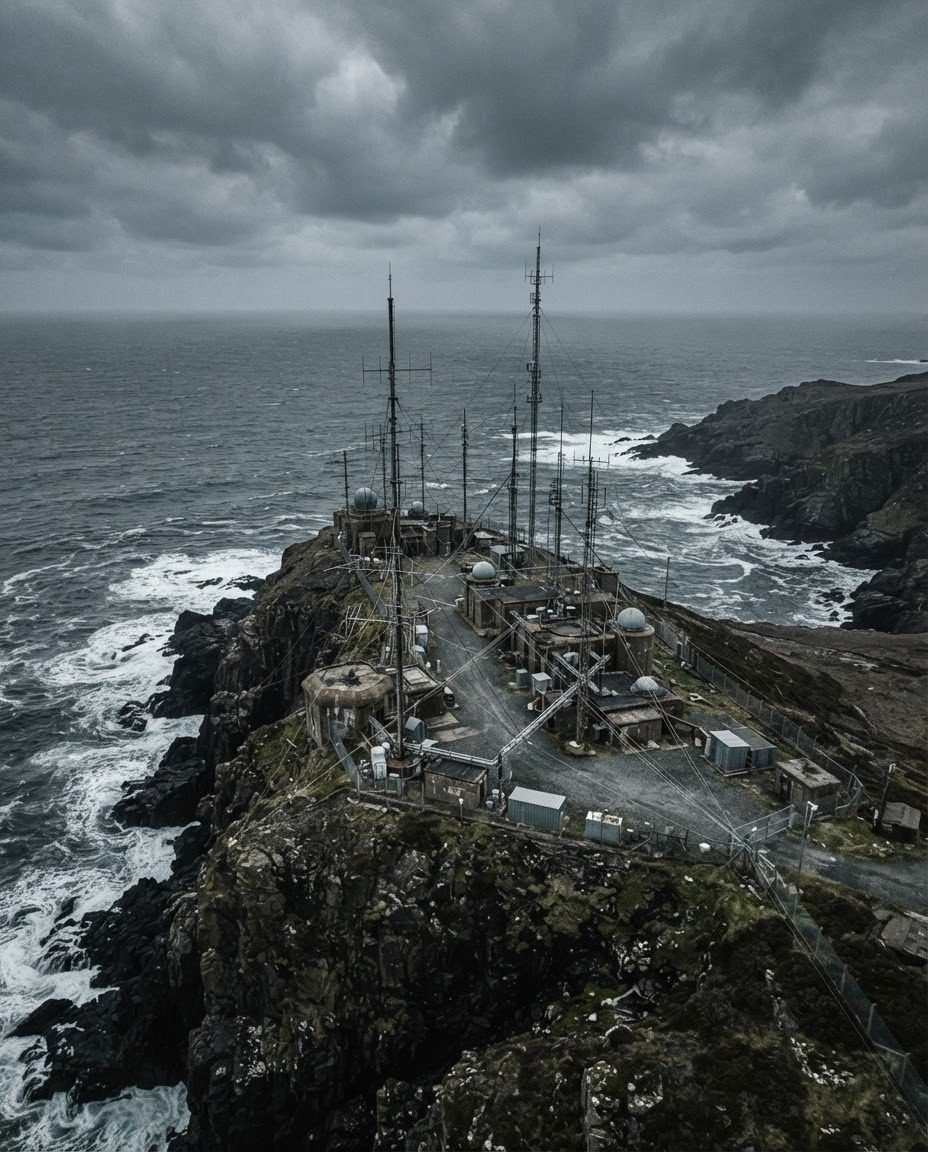
From the rocky coast to the dark skies, coastal communication towers stand braced against the elements. The tower showcased looks like it can withstand any storm — the air is rough, and so is the sea. This tower is not merely a visual spectacle for a storm enthusiast. It is a reminder of the dedicated people who design and operate such structures in such harsh conditions where few would venture. The tower's placement confirms that it is a strategic hub for communication. Situated where it is, it likely covers extensive communication, providing coverage aloft areas that would otherwise be bereft of access. The tower’s towering aesthetics suggest the promise of connectivity. The tower’s immense presence against the backdrop of a stormy sea is a testament to the critical role it plays in maintaining communication. While the exact function of this particular tower is not specified, it greatly resembles other communication towers essential for various services, including mobile networks and emergency services. The tower's structure and location imply that it transmits signals over long distances, and its rugged surroundings make it clear that it assists well beyond the bustle of urban life. It exemplifies the resilience of communication infrastructure, especially in remote and challenging environments.
Strategic Placement
The coastal location of the communication tower is no coincidence. The tower is surrounded by turbulent ocean waves and a dark, stormy sky. It might be a little lonely out there, but it is exactly what is needed. Navigation, safety, weather monitoring, and maritime communications all depend on such towers. The coast is a strategic environment — there’s a lot of space for radio waves to travel. A tower at this location covers an extensive area. Its signals reach both land and sea, ensuring continuous communication for vessels and coastal communities. A communications tower perched on a rocky coastline is like a lighthouse — an often-neglected necessity that guarantees essential connections even in the harshest conditions. The strategic placement of coastal communication towers is a deliberate engineering choice driven by the necessity for robust and reliable communication networks. Its location ensures that signals can traverse far across water, reaching islands, coastal towns, and maritime vessels. With this placement, the tower helps prevent communication blackouts and ensures continuous service.
Isolation and Resilience
Communication towers are often positioned in isolation. This tower is a testament to human ingenuity and resilience. Standing tall amidst the storm, the tower assures that even in the face of adversity, communication links remain unbroken. Coastal communication towers, while often isolated, demand robust maintenance. Ensuring these structures operate smoothly requires frequent inspections and upkeep. When it looks like the tower is on the edge of the water depends on rain and flood. Workers must navigate through challenging terrains and weather conditions, reinforcing the towers' reliability. The tower's location on a rocky coastline underscores its resilience against nature's forces. Communication towers like this will likely have efficient mechanisms for signal transmission, even under extreme conditions. The surrounding turbulent ocean waves and dark, stormy sky emphasize the tower's vulnerability and its strength. Working in such harsh environments poses unique challenges, and it is important to appreciate the dedication of those who operate and maintain these towers. In its surroundings, the tower stands as a beacon of progress and connection, a silent sentinel ensuring that communication remains continuous.
Watch the Reel
Related deep dives
Similar reads based on topic and creator.




Recent articles
Fresh deep dives from the latest Reels we unpacked.




Comments
Be the first to comment.