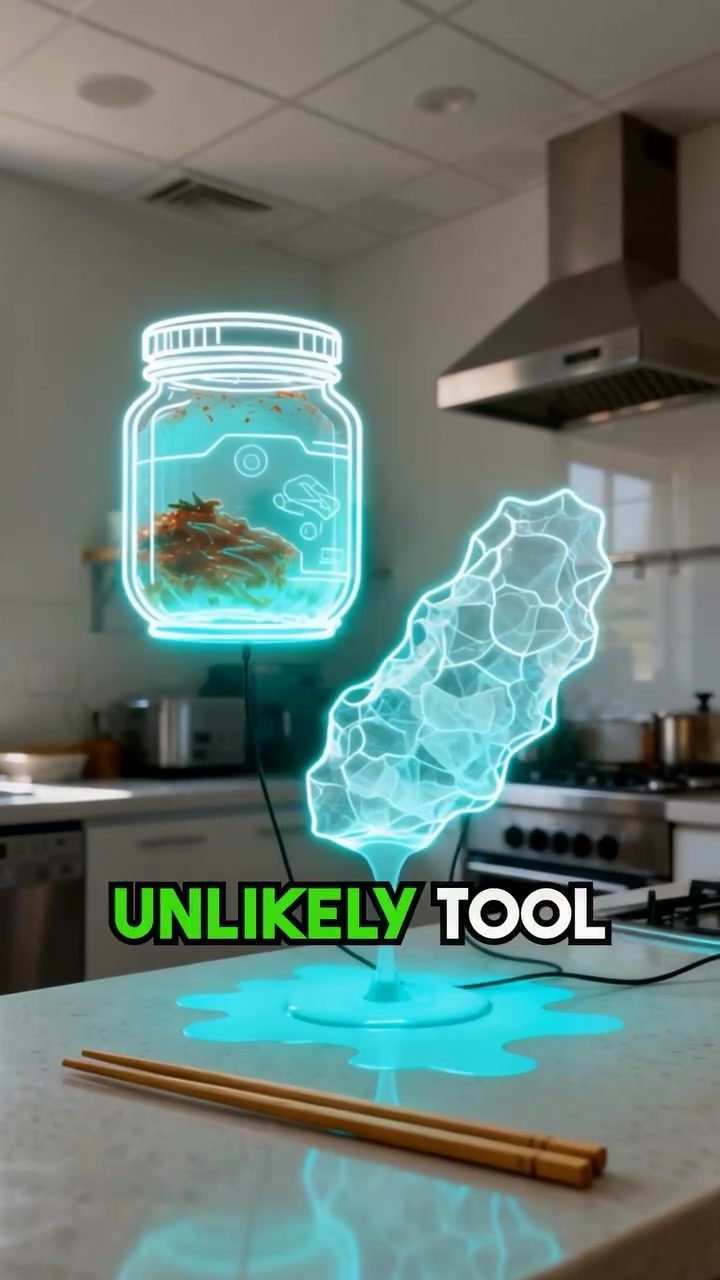
Microplastics and the Power of Kimchi Bacteria
Microplastics are a growing problem in the environment, infiltrating water, soil, and even human organs. Researchers have discovered that kimchi, a traditional Korean fermented food, holds bacteria capable of breaking down these microplastics. This finding could offer a new avenue for tackling plastic pollution.
Why This Matters
Plastic pollution is a pervasive issue, affecting ecosystems and human health. Microplastics, small plastic particles, are particularly concerning because they can be ingested by animals and humans, potentially causing long-term health effects. The discovery of bacteria in kimchi that can break down these microplastics presents a promising natural solution to this modern environmental problem.
The Role of Kimchi Bacteria
The Science Behind the Discovery
Scientists at the World Institute of Kimchi have identified lactic acid bacteria in kimchi that can target and break down plastics. These bacteria naturally produce enzymes that break down plastic molecules. In lab tests, these microbes showed significant efficacy in reducing microplastics. Within the test window, the bacteria were able to bind to plastic particles and break them down into smaller, less harmful pieces.
How It Works
The process involves the bacteria releasing specific enzymes that degrade the plastic polymers. These enzymes break the chemical bonds in the plastic, effectively reducing the size and amount of microplastic particles. The study focused on common plastics used in food packaging, which are likely to end up in the digestive system. This is particularly relevant because these plastics can be ingested and cause potential health risks.
Probiotic-Rich Foods and Environmental Solutions
Probiotic-Rich Foods Offer Hope
The discovery of these bacteria in kimchi highlights the potential of probiotic-rich foods in addressing environmental challenges. These foods, which include fermented products like yogurt, sauerkraut, and kefir, are already known for their health benefits. Their ability to break down microplastics adds a new dimension to their value.
The Role of Traditional Fermentation
Traditional fermentation methods, such as those used in making kimchi, involve a complex ecosystem of bacteria and enzymes. This ecosystem could be harnessed for environmental purposes, turning everyday foods into valuable tools in the fight against pollution. The fermentation process not only enhances the flavor and nutritional value of foods but also creates conditions conducive to the growth of bacteria that can break down harmful substances.
Future Implications
While the lab tests are promising, human trials are still needed to confirm the effect of these bacteria in the body. If successful, probiotic-rich foods could offer a natural, accessible, and sustainable way to combat the increasing presence of microplastics in the environment and our bodies. This could lead to new research and applications, turning traditional foods into modern solutions.
Practical Tips
Incorporating Probiotic-Rich Foods
To potentially benefit from the protective effects of these bacteria, consider incorporating more probiotic-rich foods into your diet. Here are some ideas:
- Kimchi: Add kimchi to your meals. It can be a side dish or an ingredient in stir-fries, soups, and salads.
- Yogurt: Choose plain, unsweetened yogurt and add your favorite fruits or honey for a healthy snack.
- Sauerkraut: Incorporate sauerkraut into sandwiches, salads, or as a side dish with roasted meats.
- Kefir: Drink kefir as a probiotic beverage or use it in smoothies and recipes.
Supporting Research
Stay informed about ongoing research in this area. As studies progress, new insights and applications may emerge, providing more opportunities to leverage these natural solutions.
Important Takeaways
- Microplastics are a significant environmental concern, affecting water, soil, and human health.
- Kimchi bacteria can break down microplastics, offering a potential natural solution to plastic pollution.
- Probiotic-rich foods like kimchi, yogurt, sauerkraut, and kefir may offer health benefits and environmental solutions.
- Further research is needed to confirm the effects of these bacteria in the human body and to explore new applications.
Conclusion
The discovery of bacteria in kimchi that can break down microplastics offers a glimmer of hope in the fight against plastic pollution. While more research is needed, the potential of probiotic-rich foods in addressing this global issue is promising. By incorporating these foods into our diets and supporting further research, we can take a step towards a cleaner, healthier world.
Watch the Reel
Questions readers ask
How do kimchi bacteria help in degrading microplastics?
Kimchi bacteria have an enzyme that is capable of breaking down the chemical bonds in plastics. This process turns microplastics into a non-toxic residue. They target the molecular level, making them an effective biological solution to reduce plastic pollution.
What makes microplastics a pressing environmental concern?
Microplastics are particularly concerning because they are small enough to infiltrate ecosystems and human bodies. They can cause long-term health issues. They are ingested by animals and humans, becoming a part of the food chain.
Are there lab tests that confirm the effectiveness of kimchi bacteria on microplastics?
Yes, lab tests have shown that kimchi bacteria can successfully degrade microplastics. Scientists have observed that these bacteria can break down the plastic, turning it into a non-toxic residue. This provides evidence that kimchi bacteria could be an eco-friendly solution to plastic pollution.
How does the breakdown process of microplastics by kimchi bacteria work?
Kimchi bacteria break down microplastics by targeting the chemical bonds in the plastic. Their enzymes attack the molecular structure of the plastics, effectively degrading them into a non-toxic residue. This process helps to reduce plastic pollution in the environment.
What are the environmental benefits of using kimchi bacteria to degrade plastics?
Using kimchi bacteria to degrade plastics offers a sustainable, eco-friendly solution to plastic pollution. By naturally breaking down microplastics, these bacteria reduce the amount of harmful plastic waste in the environment, potentially mitigating long-term health and ecological issues.
Related deep dives
Similar reads based on topic and creator.



Recent articles
Fresh deep dives from the latest Reels we unpacked.




Comments
Be the first to comment.