
The Horrifying Consequences of Not Washing Your Hands
Neglecting to wash your hands regularly can lead to serious health consequences, including bacterial infections, food p…
Tag
Deep-dive articles with this tag.
Neglecting to wash your hands regularly can lead to serious health consequences, including bacterial infections, food p…

Neglecting to change your bedsheets regularly can lead to a buildup of contaminants, from dead skin cells and body oils…

Neglecting showers for long periods can lead to significant skin buildup, irritation, and infection risks. Without reg…
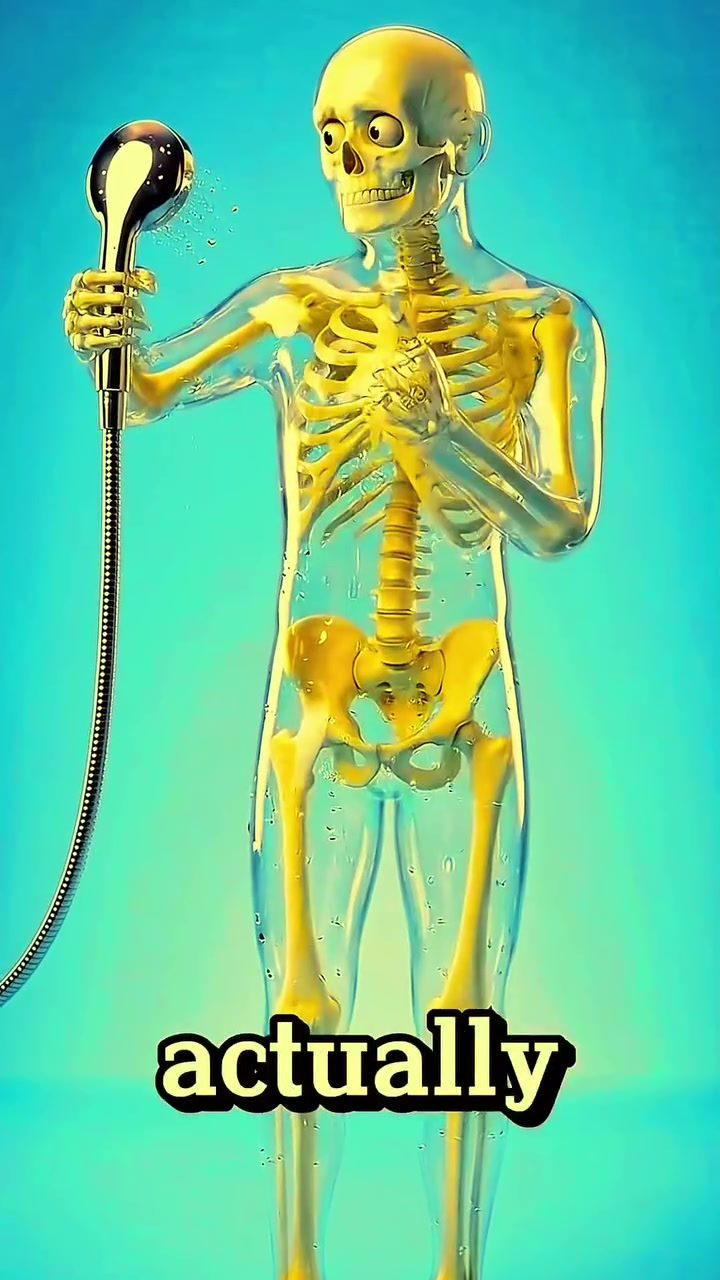
Skipping showers might seem like a minor inconvenience, but it can lead to a series of unpleasant changes on your skin,…

Neglecting to clean your tongue can lead to more than bad breath; it can cause significant health issues. Bacteria prol…

Glowee, a French startup, is transforming urban environments with streetlights powered by living bacteria, offering a s…

Koala joeys rely on a unique, microbe-rich substance called pap to transition from milk to their mothers' eucalyptus le…

The earthy scent after rain, known as petrichor, is created by ancient bacteria releasing a compound called geosmin whe…
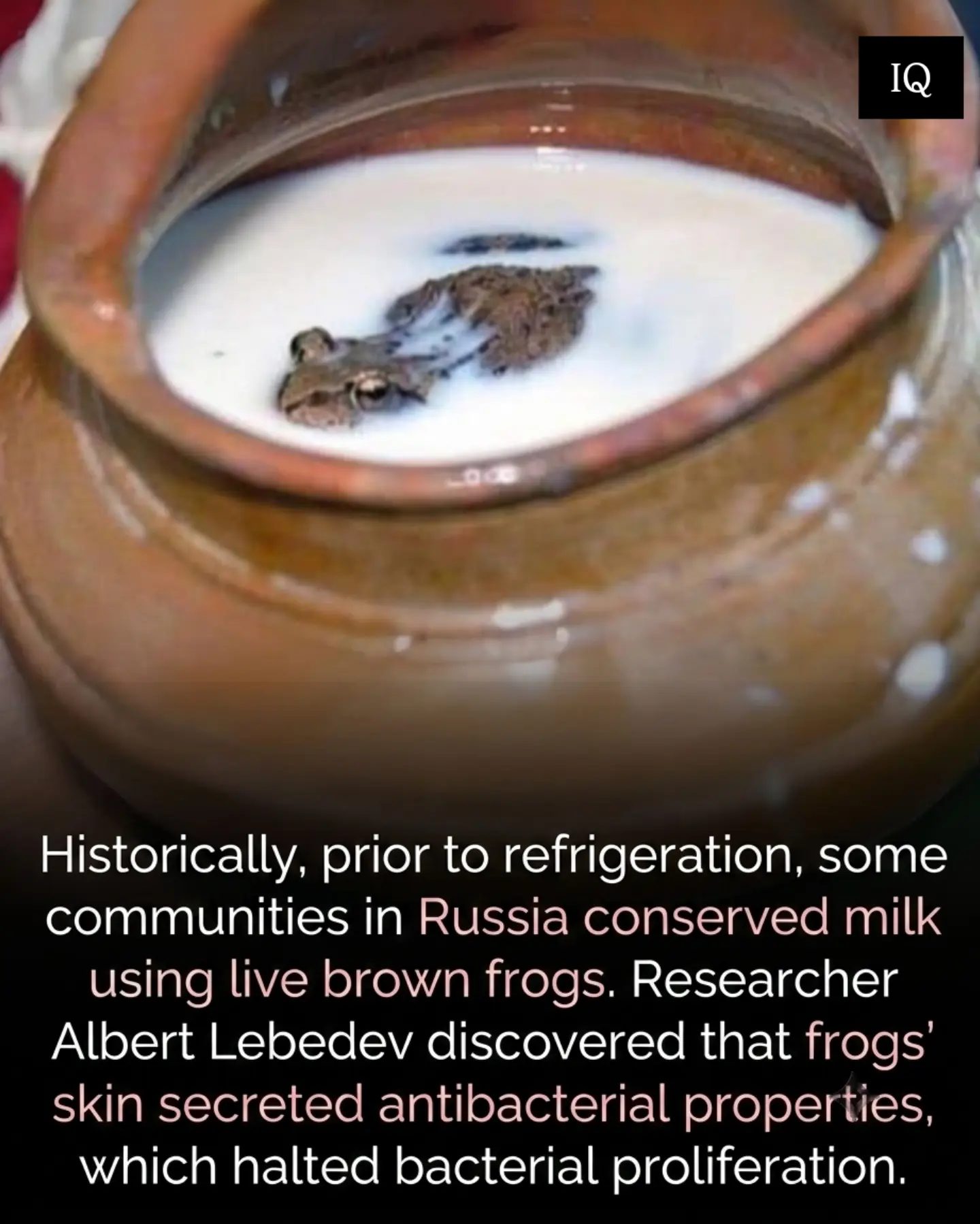
Live brown frogs were historically used in rural Russia to preserve milk before refrigeration by inhibiting bacterial g…

Osedax worms, dwelling in the deep ocean, consume whale bones using symbiotic bacteria, rather than traditional digesti…
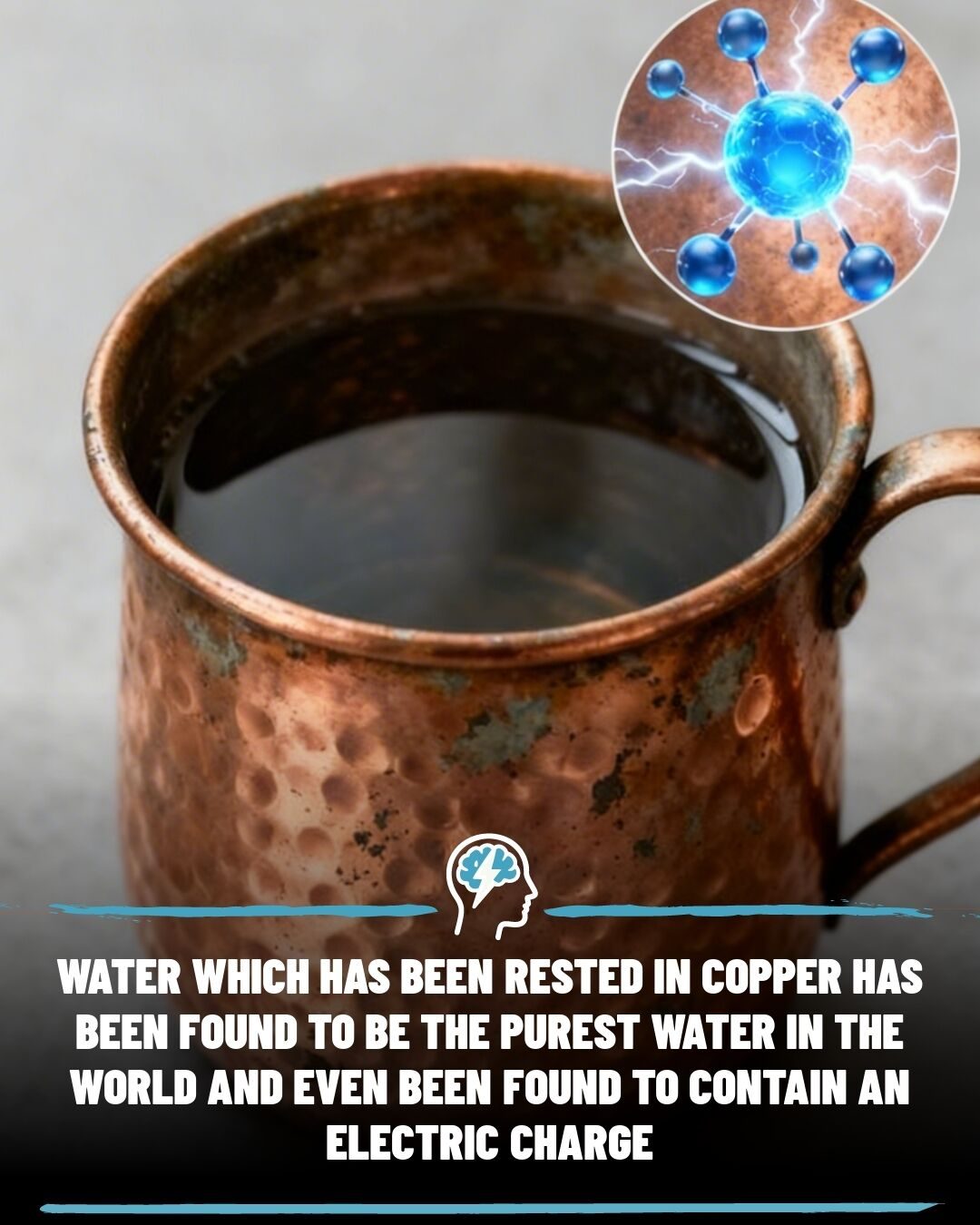
Copper water storage offers genuine benefits, with copper's antimicrobial properties effectively killing harmful bacter…

Neglecting pillowcase hygiene can lead to a buildup of bacteria, oils, and dead skin cells that can cause skin issues a…