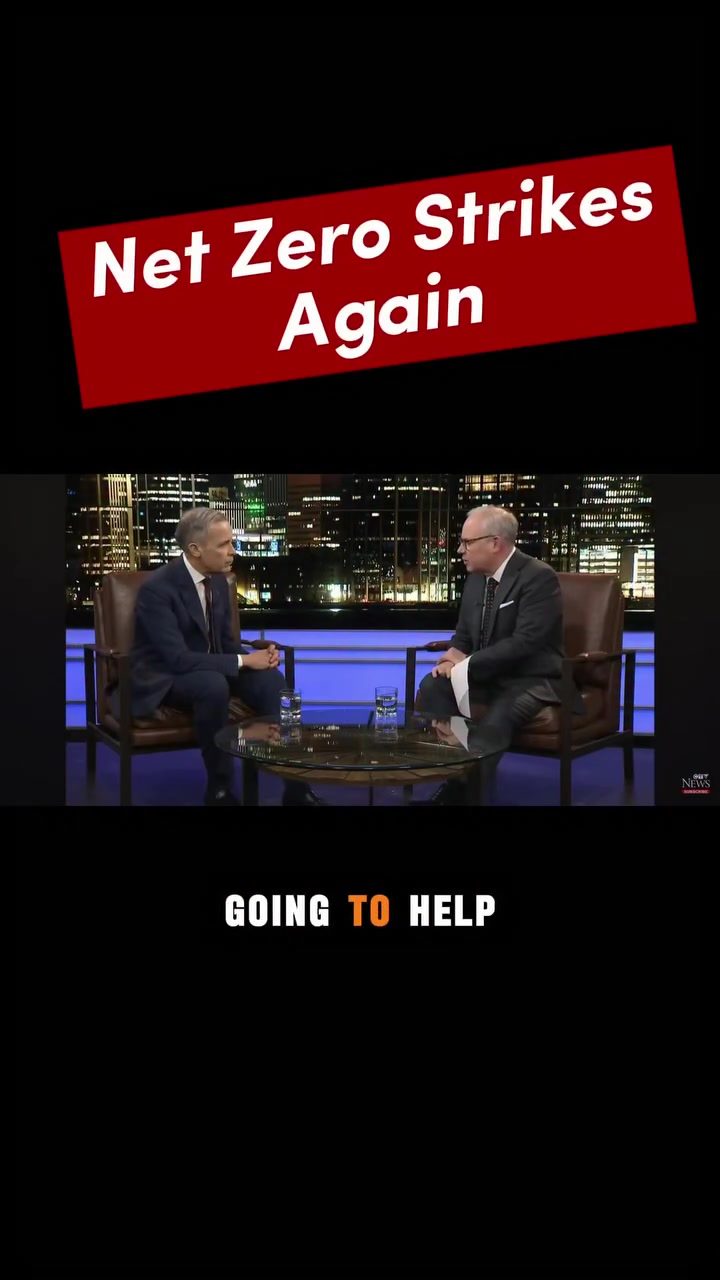
An advisor in a recent interview made a pointed question: "How is that going to help Canada reach net zero?" Net Zero Emissions in Canada is designed to reduce greenhouse emissions to zero by a certain year. Canada aims to balance out the amount of greenhouse gases put into the atmosphere by an equivalent amount taken out, thus neutralizing carbon emissions.
Canada's Approach to Net Zero Emissions
Canada's approach involves creating incentives that are both substantial and easily understood by citizens. These incentives are designed to encourage large polluters to either reduce their emissions or pay a price for their carbon pollution. Speaking of this, he clarified. "What we're going to do, we're going to look at all of those, we're going to make sure those incentives are big enough and broad enough and clear enough to Canadians."
Who Pays for Climate Change?
The question of who should bear the financial burden of climate change mitigation is central to Canada's strategy. The interviewee emphasized that the responsibility should not fall on the government or taxpayers. Instead, the focus is on large polluters.
The Role of Large Polluters
The interviewee drew a bold link: "We need to make sure not that the government pays, Not that we as taxpayers pay, but the large polluters pay." One of the main difficulties is getting large companies to exert effort in this paradigm. This "polluter pays" principle aims to shift the financial burden onto those who contribute most to emissions, encouraging them to find ways to reduce their impact.
Trickling Down Emissions
The interviewee addressed the concern that making large polluters pay could trickle down to consumers. "But does that not ultimately trickle down? No, because what the big companies are producing, by and large, are not products that we are consuming." The idea is that the products from these large companies are not typically what regular consumers use.
The Choice for Companies
Companies are then faced with a practical choice: reduce emissions in their operations or pay a price. If a company such as a steel company, for instance: "It makes the system much more effective. It'll move it forward." The steel industry specifically serves as a case in point. "You know, a steel company, how much steel are you using these days, Todd? I mean, not as much. So that's core to it." This shows that large companies are unlikely to see direct consumer resistance if they choose to pay the price. Being a large corporation, directly paying the consequence will make them serious and proactive in addressing the emission problem.
Impact on Canadians
The strategy aims to have a dual benefit: reducing overall emissions and putting money back into the pockets. By ensuring that large companies pay for their emissions. **"It'll move it forward. will reduce emissions by more. Will get more money in the pockets of hard-working Canadians."
Taking Action on Climate Change
If you're interested in contributing to Canada's net-zero emissions goal, consider the following steps:
- Educate Yourself: Make sure to understand your role in the broader goal of net-zero emissions. There are resources to help Canadians comprehend the incentive structures and how they benefit from them.
- Support Policies and Budget Allocation: Advocate for policies that hold large polluters accountable. This often involves supporting political candidates or initiatives that prioritize environmental sustainability.
- Join the Initiative: Find opportunities to be involved in environmental programs, whether through volunteering, community projects, or corporate initiatives. If you own a business, explore ways to make it more sustainable.
- Invest Wisely: If you have the financial means, consider investing in renewable energy projects or companies that prioritize sustainability. This can help drive economic growth in a way that benefits the planet. Canada's strategic approach to reducing emissions while placing the financial burden on polluters could unlock significant progress.
Watch the Reel
Questions readers ask
What exactly does 'net-zero emissions' mean in the context of Canada's plan?
Net-zero emissions means that Canada aims to balance out the amount of greenhouse gases put into the atmosphere by an equivalent amount taken out, effectively neutralizing carbon emissions. The goal is to reduce greenhouse emissions to zero by a specific year, making sure that any emissions produced are offset by removal or reduction elsewhere.
How does Canada plan to enforce the 'polluter pays' principle?
Canada plans to enforce the 'polluter pays' principle by imposing fines on large polluters. This strategy aims to hold the biggest emitters accountable and encourage them to either reduce their emissions or pay a financial penalty for their carbon pollution. The idea is to create substantial, easily understood incentives for these companies.
Will the financial burden of these fines trickle down to consumers?
The government has clarified that the financial burden will not trickle down to consumers. The products from these large polluters are typically not those consumed by regular citizens. Instead, the focus is on companies like steel producers, which aim to reduce their emissions or pay the price, without directly affecting consumer costs.
What kinds of companies are considered 'large polluters' under this plan?
Large polluters under this plan are typically major industrial companies that contribute significantly to greenhouse gas emissions. Examples include steel companies and other heavy industries. These companies are targeted because of their substantial emissions and the potential for significant reductions in their operations.
How will the money collected from fines on large polluters be used?
The money collected from fines on large polluters is intended to be put back into the pockets of hard-working Canadians. This dual benefit strategy aims to reduce overall emissions while also providing financial relief to the public. The specifics of how this money will be distributed have not been detailed in the article.
Related deep dives
Similar reads based on topic and creator.

Recent articles
Fresh deep dives from the latest Reels we unpacked.




Comments
Be the first to comment.