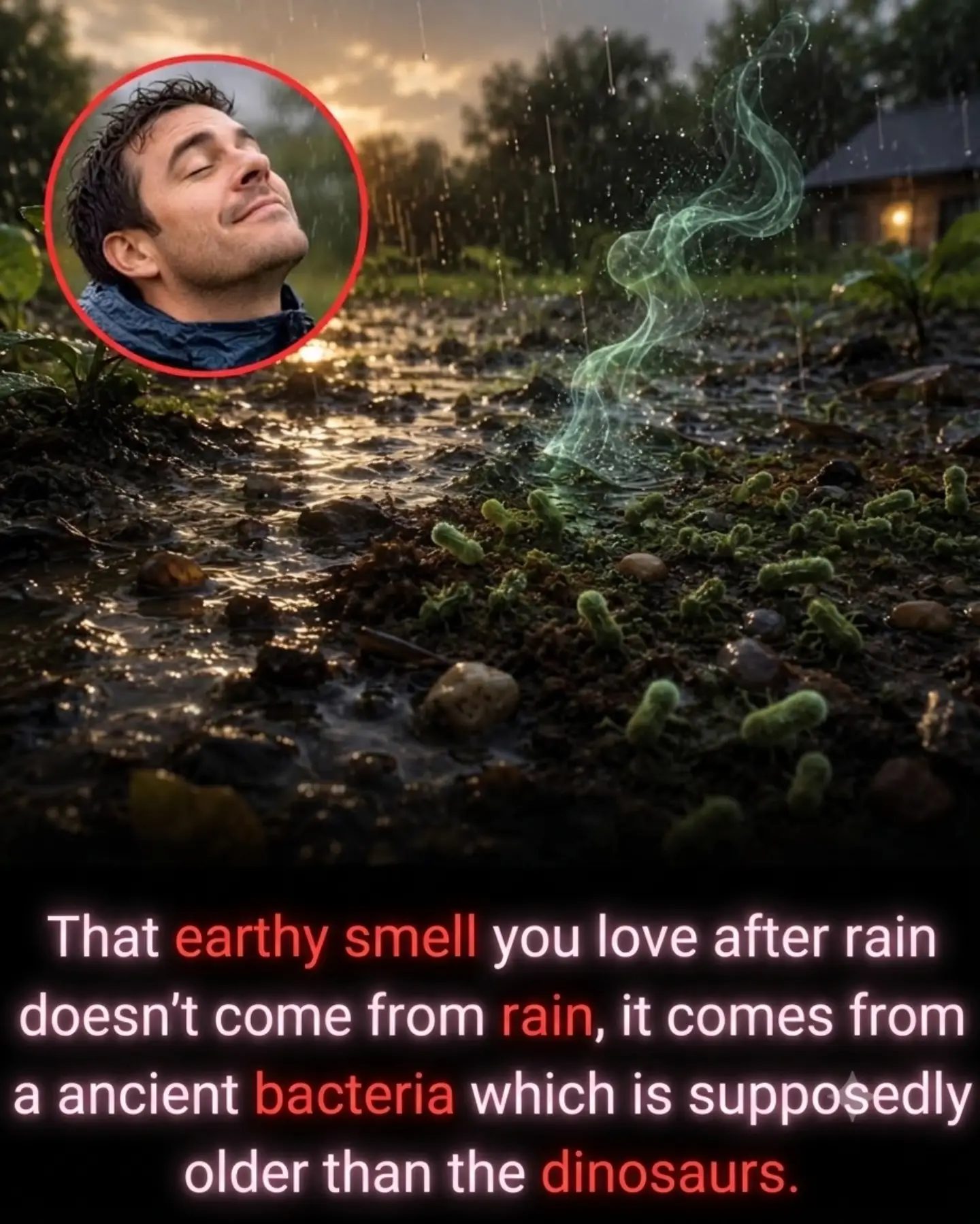
Petrichor: The Science Behind the Earthy Scent After Rain
Petrichor, the distinct earthy scent that permeates the air after rain, is a phenomenon that many people find comforting and evocative. This captivating aroma is not, as one might assume, directly caused by the rain itself. Instead, it is the result of a fascinating interplay between ancient bacteria and the environment.
Why This Matters
Understanding petrichor enhances our appreciation for the natural world and the intricate processes that occur around us. It also sheds light on the enduring presence of ancient organisms and their role in shaping our sensory experiences.
The Origins of Petrichor
What is Petrichor?
Petrichor is the term coined to describe the unique scent that arises from the earth after rain. The word itself is a blend of the Greek words "petra," meaning stone, and "ichor," the ethereal fluid that flows in the veins of the gods in Greek mythology. This aromatic experience is deeply rooted in the natural world, yet it remains somewhat mysterious to many.
The scent of petrichor is often described as fresh, clean, and invigorating, evoking memories of childhood adventures and the joy of playing in the rain.
The Role of Ancient Bacteria
The scent of petrichor is attributed to ancient bacteria that live in the soil. These bacteria, which are older than dinosaurs, produce a compound called geosmin. Geosmin is released into the air when the rain comes into contact with the earth, creating the distinctive aroma that we associate with petrichor.
How Rain Activates the Scent
When rainwater falls to the ground, it seep into the soil and interacts with geosmin-producing bacteria. The impact of raindrops on the soil, which is dry, releases small water droplets that contain these bacteria. The droplets then float into the air, carrying with them the scent of geosmin. This process is what gives us the experience of smelling petrichor.
Practical Tips for Enjoying Petrichor
Finding the Perfect Spot
To fully appreciate the scent of petrichor, find a place where the rain has recently fallen and the soil is moist. Forests, parks, and gardens are excellent locations to experience this phenomenon. The lush, green environments are ideal for the growth of the bacteria that produce geosmin, making the scent more pronounced.
Timing Is Key
The best time to experience petrichor is shortly after a rainstorm when the air is cool and the ground is damp. The combination of the rain and the sun's warmth can create a perfect sensory experience.
Mindfulness and Observation
Take a moment to pause and observe your surroundings. Close your eyes and inhale deeply, allowing the scent of petrichor to envelop you. This mindfulness can enhance your appreciation for the natural world and the intricate processes that occur around us.
Important Takeaways
Petrichor is more than just a pleasant scent; it is a testament to the enduring presence of ancient organisms and their role in shaping our sensory experiences. By understanding the science behind petrichor, we gain a deeper appreciation for the natural world and the intricate processes that occur in our environment.
Conclusion
The next time you experience the earthy scent after rain, take a moment to appreciate the fascinating science behind it. Petrichor is a reminder of the ancient bacteria that have been on our planet long before humans and continue to influence our sensory experiences today. Whether you are out for a walk in the park or simply enjoying a rainstorm from your window, savor the scent of petrichor and the wonders of nature it represents.
Watch the Reel
Questions readers ask
What exactly is petrichor and why does it smell earthy?
Petrichor is the term for the distinctive earthy scent that emerges after rainfall. The earthy smell comes from a compound called geosmin, which is released by certain types of soil bacteria when rainwater hits the ground.
Which bacteria are responsible for the petrichor smell?
The petrichor smell is primarily attributed to ancient bacteria, specifically those that live in the soil. When rainwater mixes with these bacteria, they release geosmin, which creates the distinct scent.
Why do some people find the scent of rain so comforting?
The scent of rain, or petrichor, can be comforting for many people because it connects us to nature and evokes a sense of serenity. This aroma reminds us of the natural cycle of rainfall and its effects on the environment.
How does geosmin interact with rainwater to produce the earthy scent?
When rainwater interacts with soil, it dislodges and releases geosmin, a compound produced by soil bacteria. This release triggers the characteristic earthy scent that we associate with rainfall.
Can the petrichor smell be experienced in all types of environments?
The petrichor smell is most commonly experienced in environments with a significant amount of soil and vegetation, such as forests or fields. Urban environments may not produce as strong a scent due to the lack of exposed soil and the presence of concrete and other man-made surfaces.
Does the intensity of the petrichor smell vary with the type of rain?
Yes, the intensity of the petrichor smell can vary based on the type of rain. For example, a light drizzle may not produce as strong a scent as a heavy downpour, which can more effectively dislodge and release geosmin from the soil.
What role do these soil bacteria play in the ecosystem?
These soil bacteria, which produce geosmin, play a crucial role in the ecosystem by breaking down organic matter and contributing to soil health. Their interaction with rainwater and the resulting release of geosmin is an example of the broader ecological processes at work in nature.
Related deep dives
Similar reads based on topic and creator.




Recent articles
Fresh deep dives from the latest Reels we unpacked.




Comments
Be the first to comment.