The Troxler Effect: Why Your Brain Sees Monsters in Mirrors
The Troxler Effect explains why people sometimes see strange shapes or figures in mirrors, revealing how the brain inte…
Category
Deep-dive articles in this topic.
The Troxler Effect explains why people sometimes see strange shapes or figures in mirrors, revealing how the brain inte…

Stress, a universal experience, can disrupt the brain's normal functioning, leading to a 'frozen' state. This happens w…
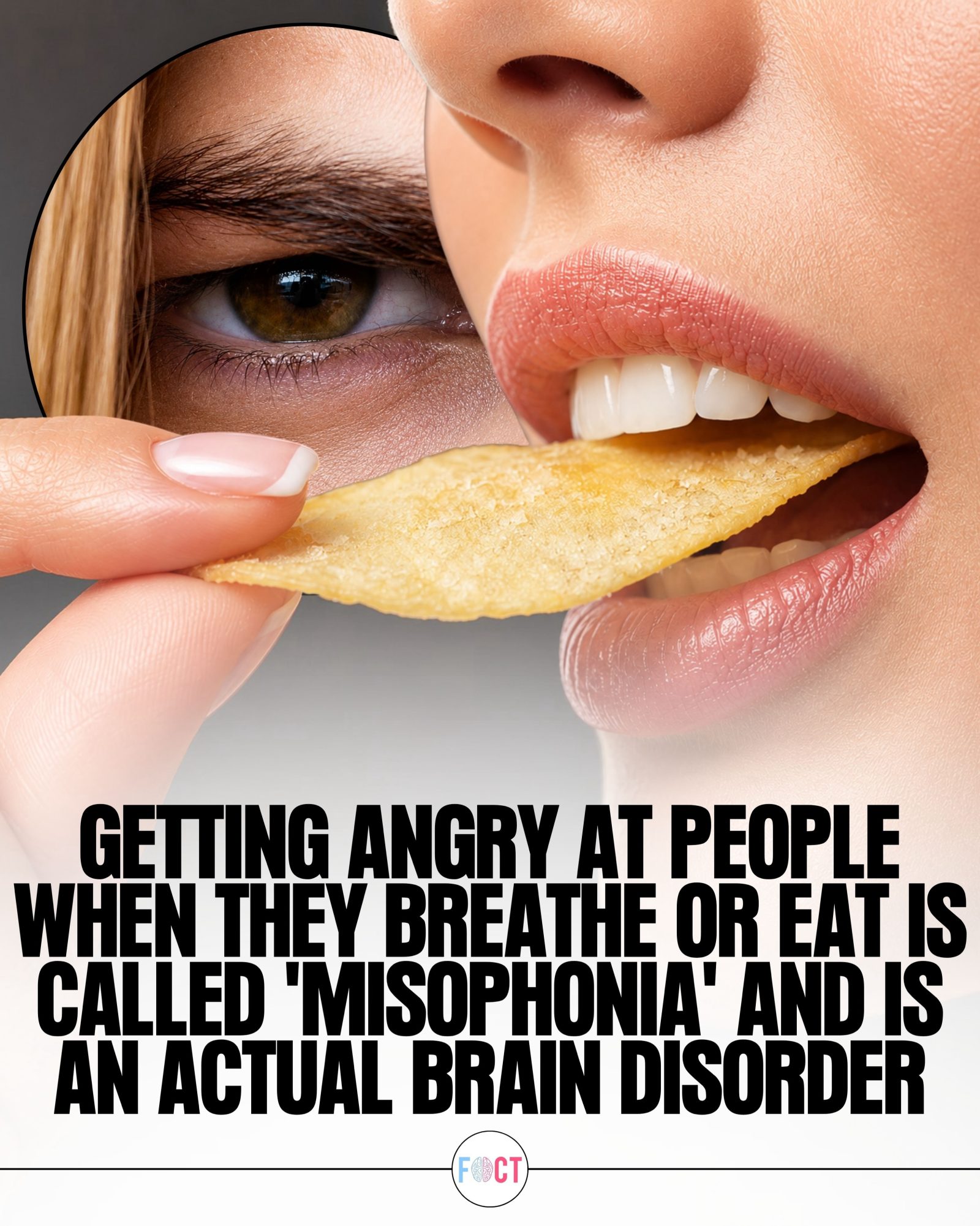
Misophonia is a condition where specific sounds, such as chewing or pen clicking, provoke intense negative emotions. Th…
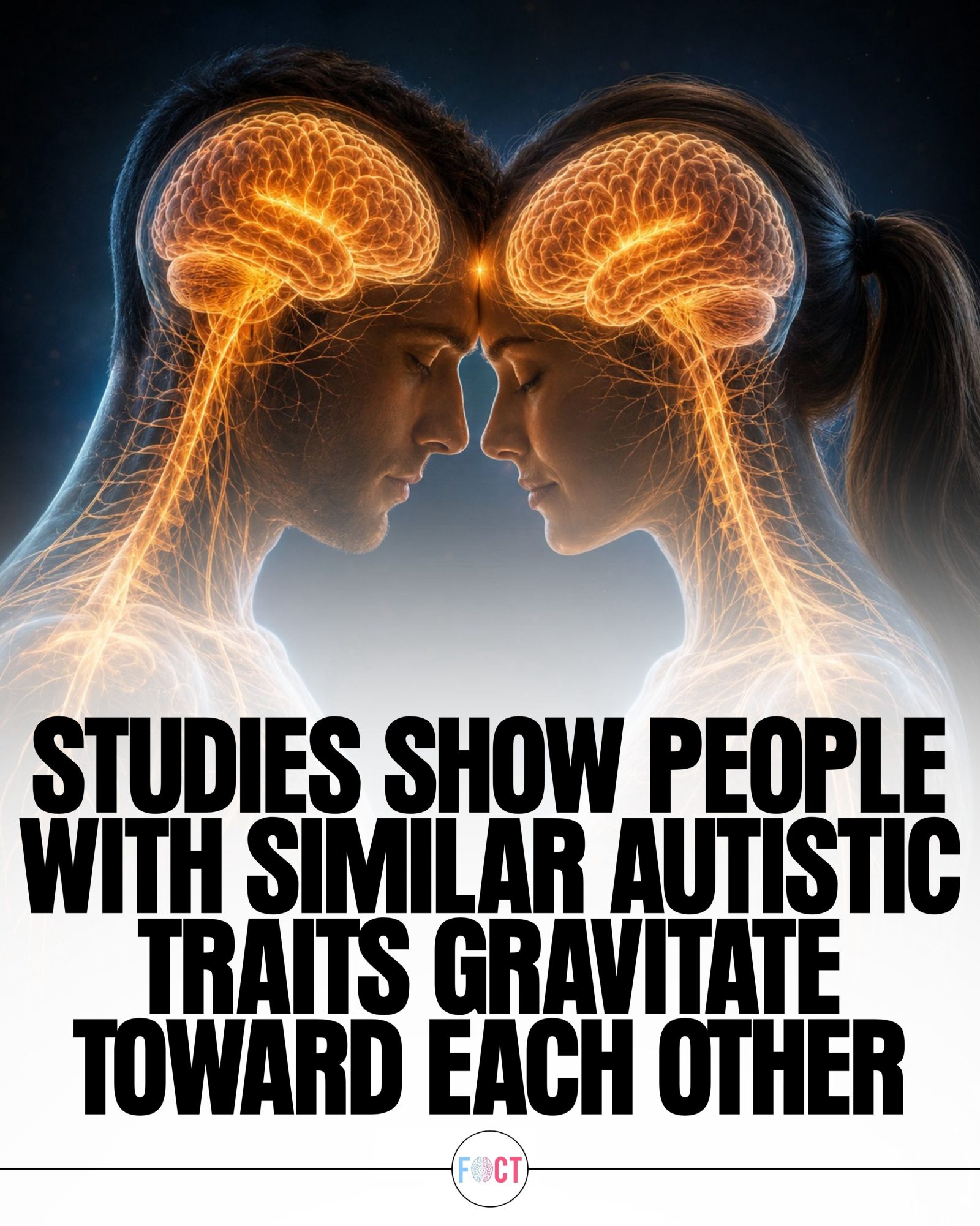
Autistic traits, such as unique communication patterns and social expectations, can strengthen social connections. When…
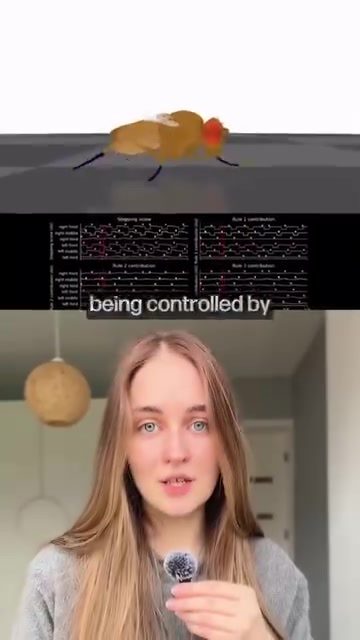
Insect brains, such as those of fruit flies, are being digitally replicated and connected to virtual bodies, enabling s…

Leg training offers more than just muscle strength; it boosts brain health, too. Lower-body exercises like squats and…
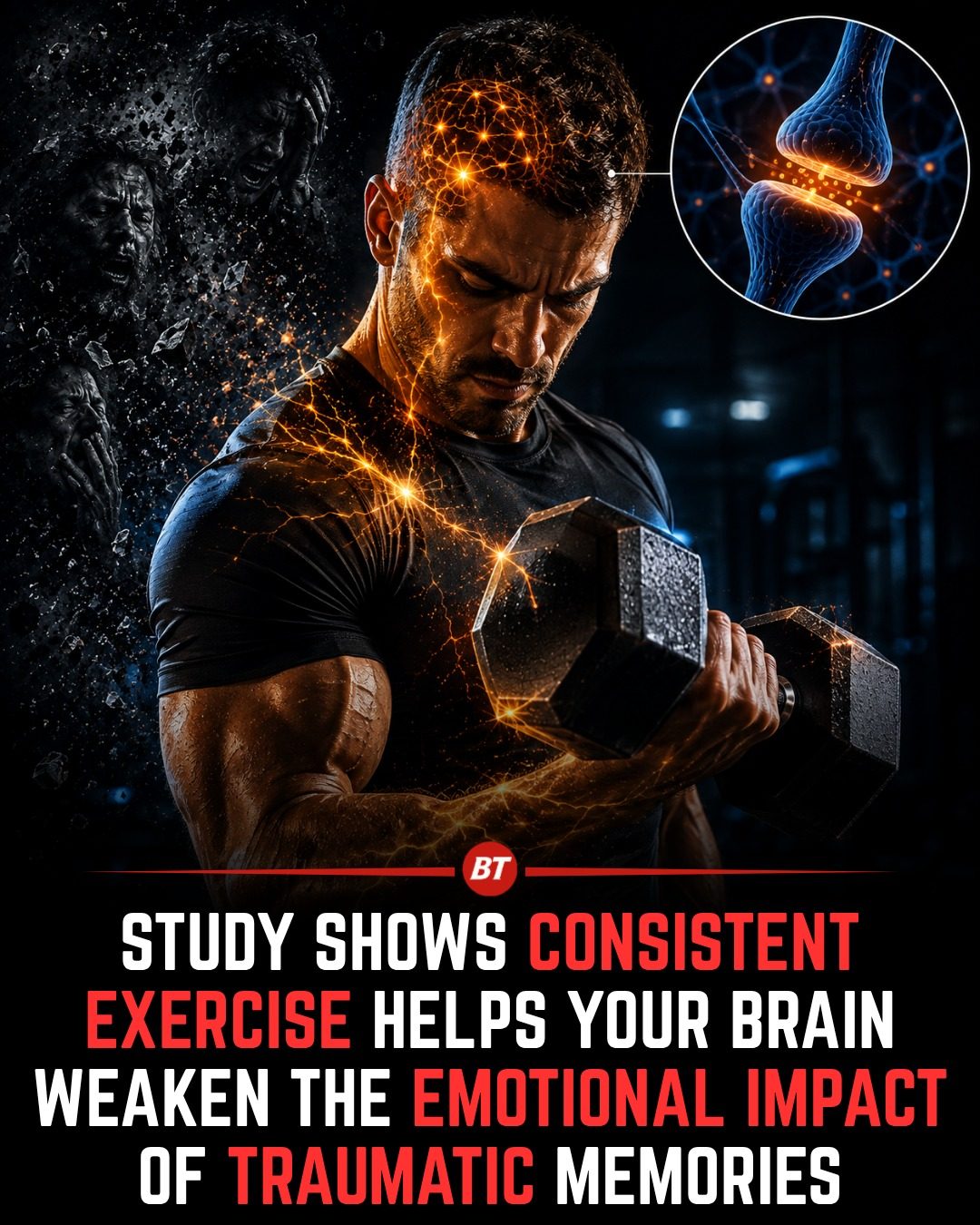
Exercise not only builds stronger muscles but also strengthens the mind by helping to reduce the emotional impact of tr…
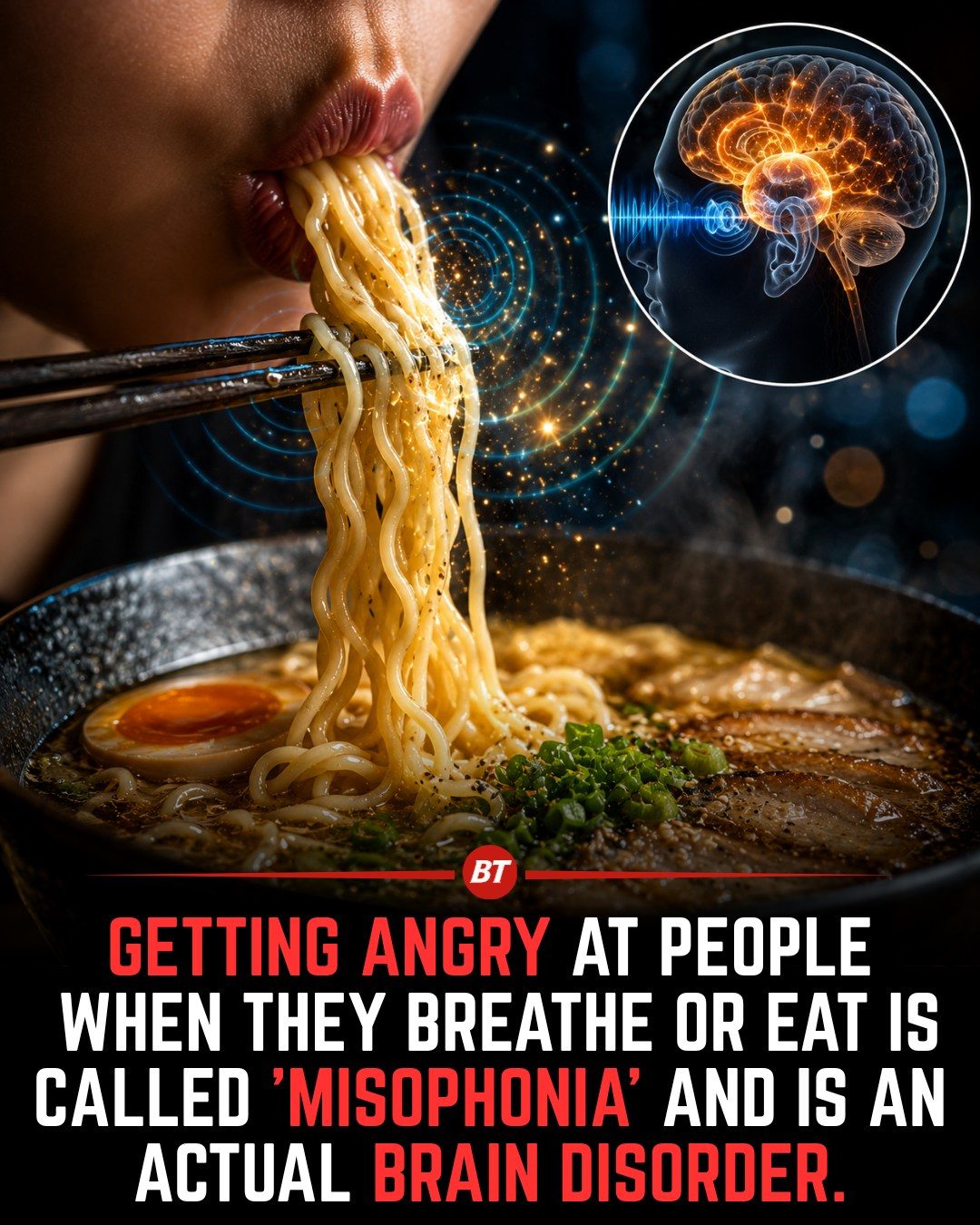
Misophonia is a neurological condition that causes intense emotional reactions to everyday sounds like chewing, breathi…
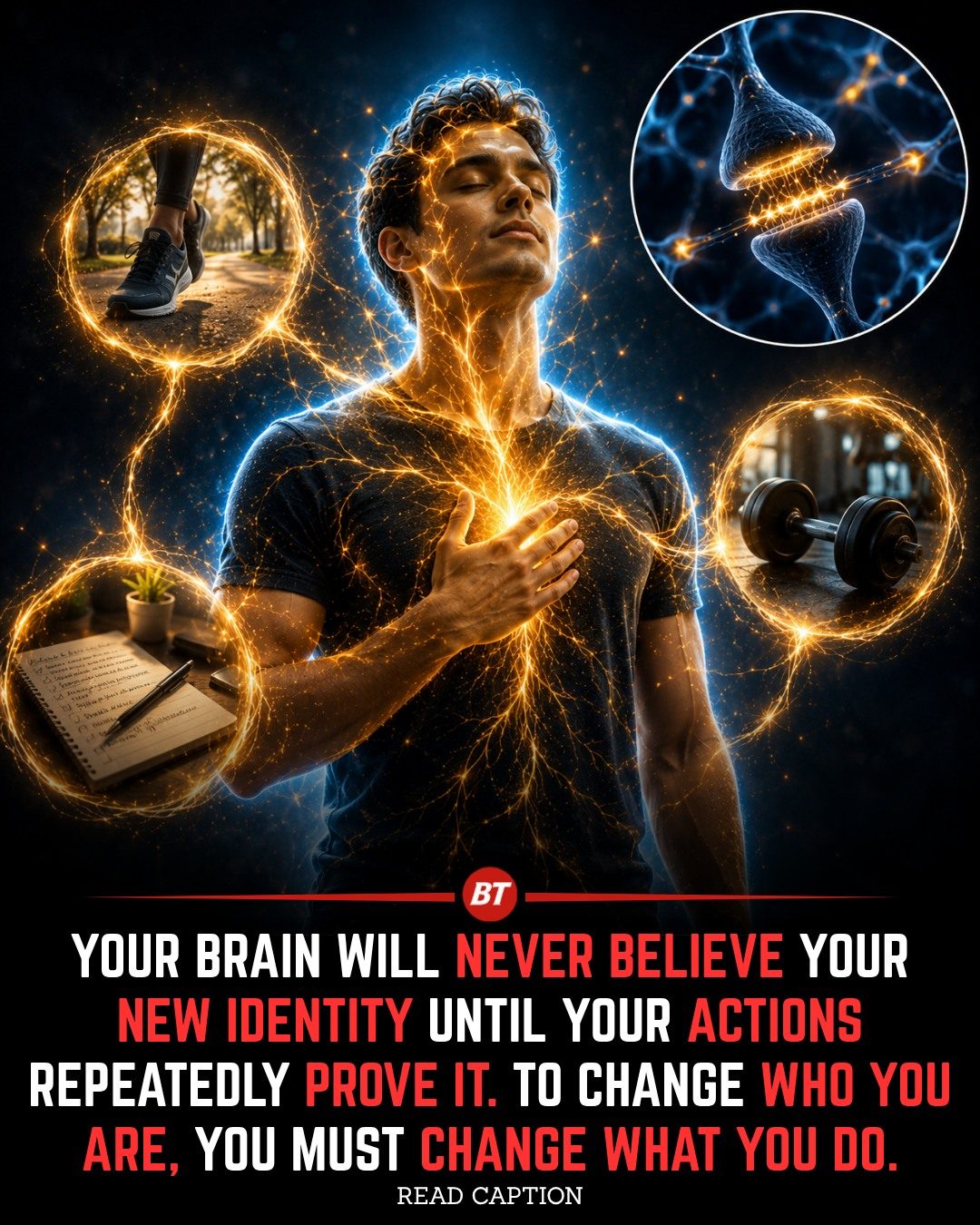
Every action you take contributes to shaping your identity, as the brain adapts and reinforces behaviors through a proc…
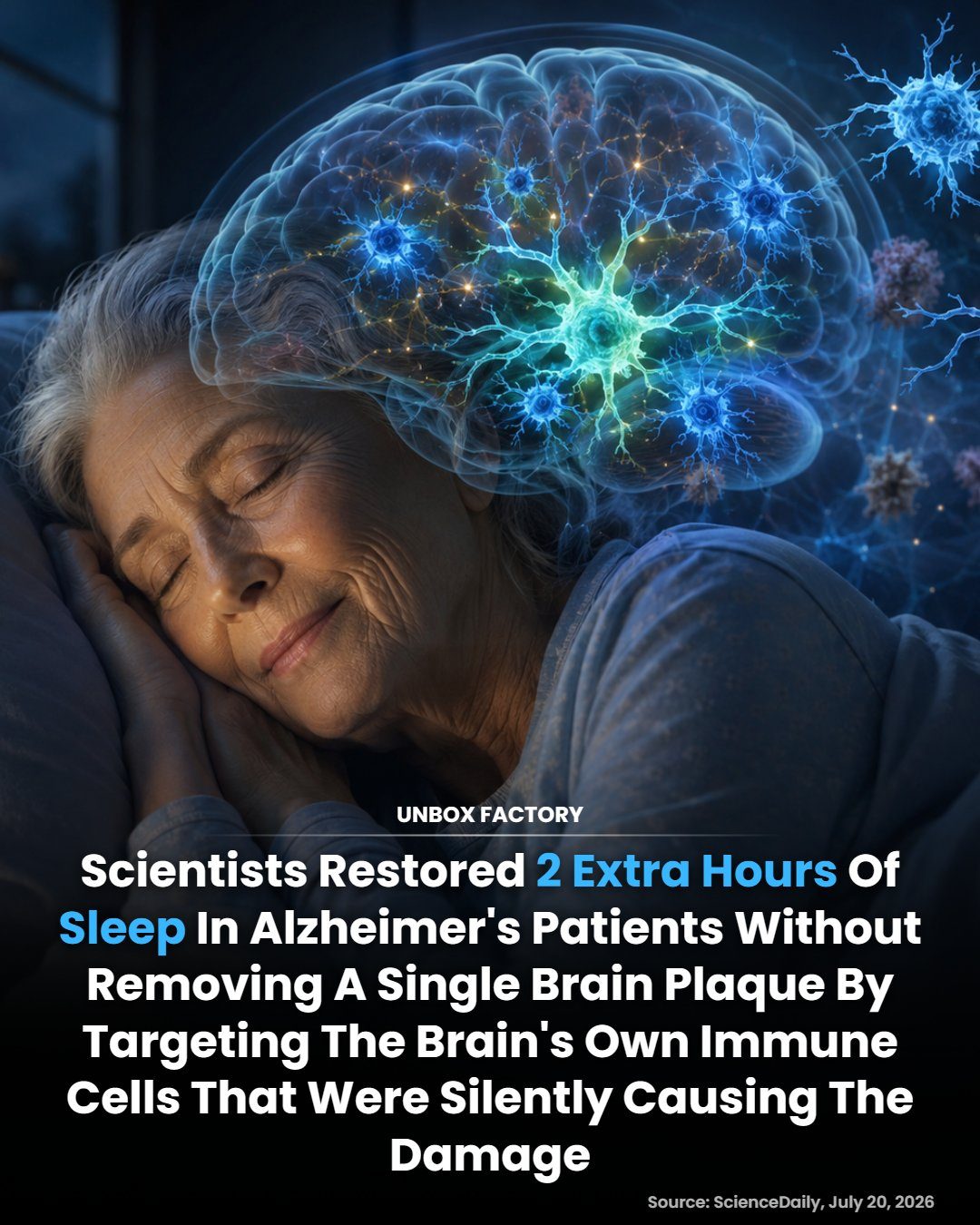
Targeting brain immune cells, known as microglia, offers a promising new approach to improve sleep and brain health in…
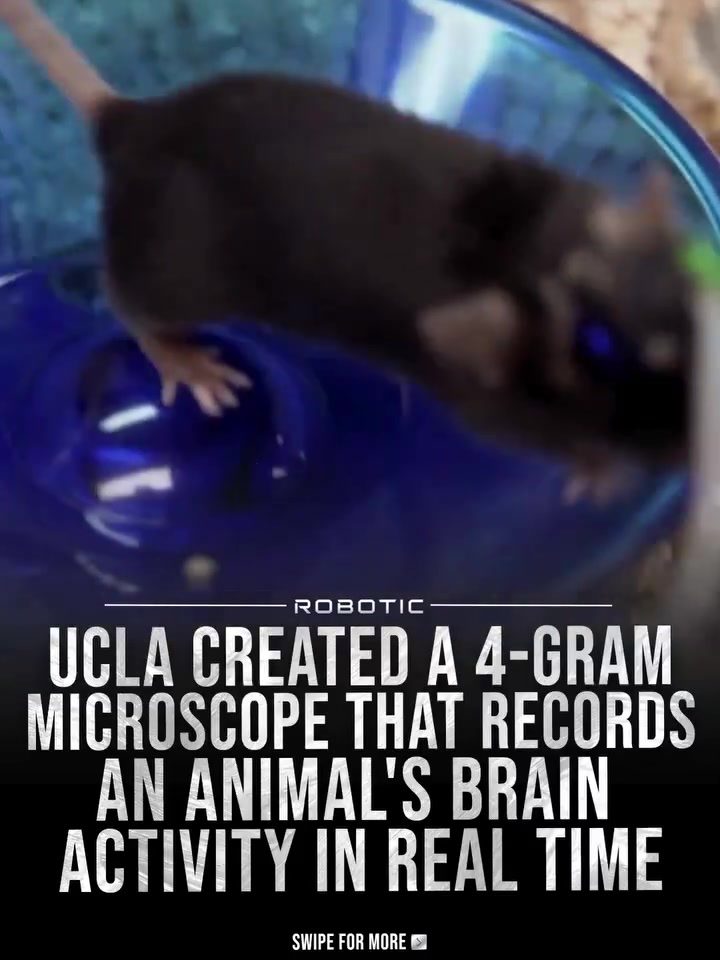
The UCLA Miniscope is a lightweight, real-time brain recording device that allows neuroscientists to closely observe br…

AI is transforming Alzheimer's detection by analyzing retinal blood vessels in photographs, offering a non-invasive, ef…