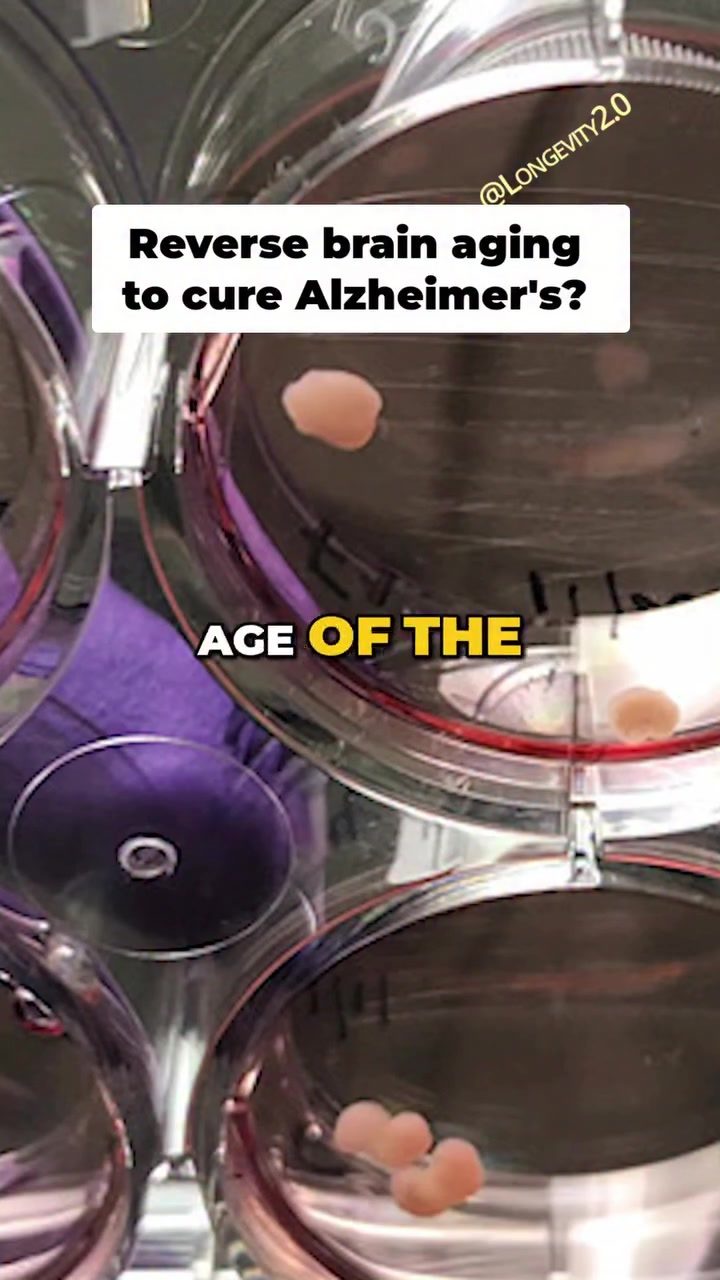
Brain Aging and Alzheimer's
The latest research on brain aging offers a glimmer of hope for those affected by neurodegenerative diseases like Alzheimer’s. Recent studies have shown that it is possible to reverse the biological age of the brain, restore learning abilities, and even recover aspects of lost memory. This breakthrough could redefine our understanding of brain aging and its relationship with diseases like Alzheimer’s.
Why This Matters
Brain aging is a complex process that involves the gradual decline of cognitive functions, including memory, learning, and overall brain performance. Alzheimer’s disease, one of the most prevalent forms of dementia, is closely linked to this aging process. Many neurodegenerative diseases, including Alzheimer’s, depend on the brain getting old first. If scientists can find a way to de-age the brain, they may be able to remove the conditions that allow these diseases to exist.
The Science Behind Brain De-Aging
Animal Studies and Promising Results
Recent animal studies have provided groundbreaking insights into the possibility of reversing brain aging. In these experiments, scientists were able to:
-
Reverse the Biological Age of the Brain: By manipulating specific biological pathways, researchers were able to rejuvenate the brains of older animals, making them function more like younger brains.
-
Restore Learning Ability: One of the most striking findings was that old mice regained their ability to learn, suggesting that cognitive functions thought to be lost due to aging could be restored.
-
Recover Aspects of Lost Memory: Surprisingly, some of the mice also regained memories from their youth, highlighting the potential for memory recovery in aged brains.
Human Trials: The Next Step
While these findings are exciting, it’s important to stay grounded. These results have only been shown in animal models so far. Human trials are still needed to determine if similar effects can be achieved in humans. Nevertheless, the implications of these studies are profound. They challenge the traditional view of aging as irreversible damage and suggest that it might be possible to reset the aging process.
The Impact on Alzheimer’s
Understanding the Disease
Alzheimer’s disease is characterized by the accumulation of abnormal proteins in the brain, leading to the death of brain cells and a progressive decline in cognitive function. The disease is often diagnosed in people over the age of 65, and its prevalence increases with age. Understanding the relationship between brain aging and the development of Alzheimer’s is crucial for developing effective treatments.
De-Aging the Brain: A Potential Cure
The discovery that de-aging the brain can eliminate the conditions that allow Alzheimer’s to exist is a significant step forward. If scientists can develop therapies that reverse the aging process in the brain, they may be able to prevent or even cure Alzheimer’s. This approach could open new avenues for treatment and offer hope to millions of people affected by the disease.
Practical Tips
While the current research is promising, there are practical steps you can take to support brain health and potentially slow down the aging process:
Lifestyle Changes
-
Regular Exercise: Physical activity has been shown to improve brain function and reduce the risk of cognitive decline. Aim for at least 30 minutes of moderate exercise most days of the week.
-
Healthy Diet: A balanced diet rich in fruits, vegetables, whole grains, and lean proteins can support overall health and brain function. Foods high in antioxidants, such as berries and leafy greens, are particularly beneficial.
-
Mental Stimulation: Engage in activities that challenge your mind, such as puzzles, reading, or learning new skills. Mental stimulation can help maintain cognitive function and slow down age-related decline.
-
Adequate Sleep: Sleep is essential for brain health. Aim for 7-9 hours of quality sleep per night to support cognitive function and overall well-being.
Supplements and Nutraceuticals
While lifestyle changes are the foundation of brain health, certain supplements and nutraceuticals may offer additional support. Some of the most promising include:
-
Omega-3 Fatty Acids: Found in fish oil, these essential fats are crucial for brain health and have been linked to improved cognitive function and reduced risk of Alzheimer’s.
-
Curcumin: A compound found in turmeric, curcumin has anti-inflammatory and antioxidant properties that may support brain health and cognitive function.
-
Resveratrol: Found in red wine, grapes, and berries, resveratrol is a powerful antioxidant with potential benefits for brain health and cognitive function.
Stay Informed
Staying informed about the latest research and developments in brain health and aging is essential. Subscribing to newsletters like LONGEVITY2.0’s private Longevity Newsletter can provide you with the latest research and exact strategies to stay healthy and age better.
Important Takeaways
The latest research on brain aging offers a glimmer of hope for those affected by neurodegenerative diseases like Alzheimer’s. By understanding the relationship between brain aging and disease, scientists are developing new approaches to treatment and prevention. While there is still much work to be done, the potential to de-age the brain and eliminate the conditions that allow diseases like Alzheimer’s to exist is a significant step forward.
Conclusion
The possibility of reversing brain aging and curing neurodegenerative diseases like Alzheimer’s is a groundbreaking discovery. While the research is still in its early stages, the potential implications are profound. By staying informed, adopting a healthy lifestyle, and supporting further research, we can work towards a future where brain aging is no longer a leading cause of cognitive decline and disease.
Watch the Reel
Questions readers ask
What does reversing brain aging entail and how has it been demonstrated in recent studies?
Reversing brain aging involves interventions that restore youthful characteristics to the brain, effectively turning back its biological clock. In recent studies, this has been achieved in animals through various methods, such as altering gene expression, epigenetic modifications and using specific drugs. These studies have shown improvements in cognitive functions and memory recall.
How does Alzheimer's disease relate to brain aging?
Alzheimer's disease is strongly linked to the aging process of the brain. As the brain ages, it becomes more susceptible to the buildup of proteins like amyloid and tau, which are hallmarks of Alzheimer's. This buildup can lead to the deterioration of neurons and the loss of cognitive functions, making Alzheimer's a classic example of a neurodegenerative aging disease.
What are some potential treatments for Alzheimer's arising from brain aging research?
Research into brain aging reversal has opened up new avenues for potential Alzheimer's treatments. Some promising approaches include using drugs that target specific aging pathways, gene therapies that correct age-related genetic changes, and lifestyle interventions like diet and exercise that promote overall brain health. Additionally, therapies aimed at clearing toxic proteins from the brain are also being explored.
What are some practical tips to maintain brain health and potentially slow down aging?
Maintaining a healthy lifestyle is crucial for promoting brain health and longevity. This includes regular physical exercise, a balanced diet rich in antioxidants and healthy fats, mental stimulation through puzzles and learning new skills, and adequate sleep. Social engagement is also beneficial, as it can help keep the mind active and reduce stress.
What role do animal studies play in understanding brain aging and Alzheimer's?
Animal studies are instrumental in advancing our understanding of brain aging and Alzheimer's. They allow researchers to test hypotheses and potential treatments in a controlled environment before moving on to human trials. Recent animal study brain aging findings have shown that it is possible to reverse age-related cognitive decline, offering hope for future human applications in Alzheimer's prevention and treatment.
Related deep dives
Similar reads based on topic and creator.


Recent articles
Fresh deep dives from the latest Reels we unpacked.




Comments
Be the first to comment.