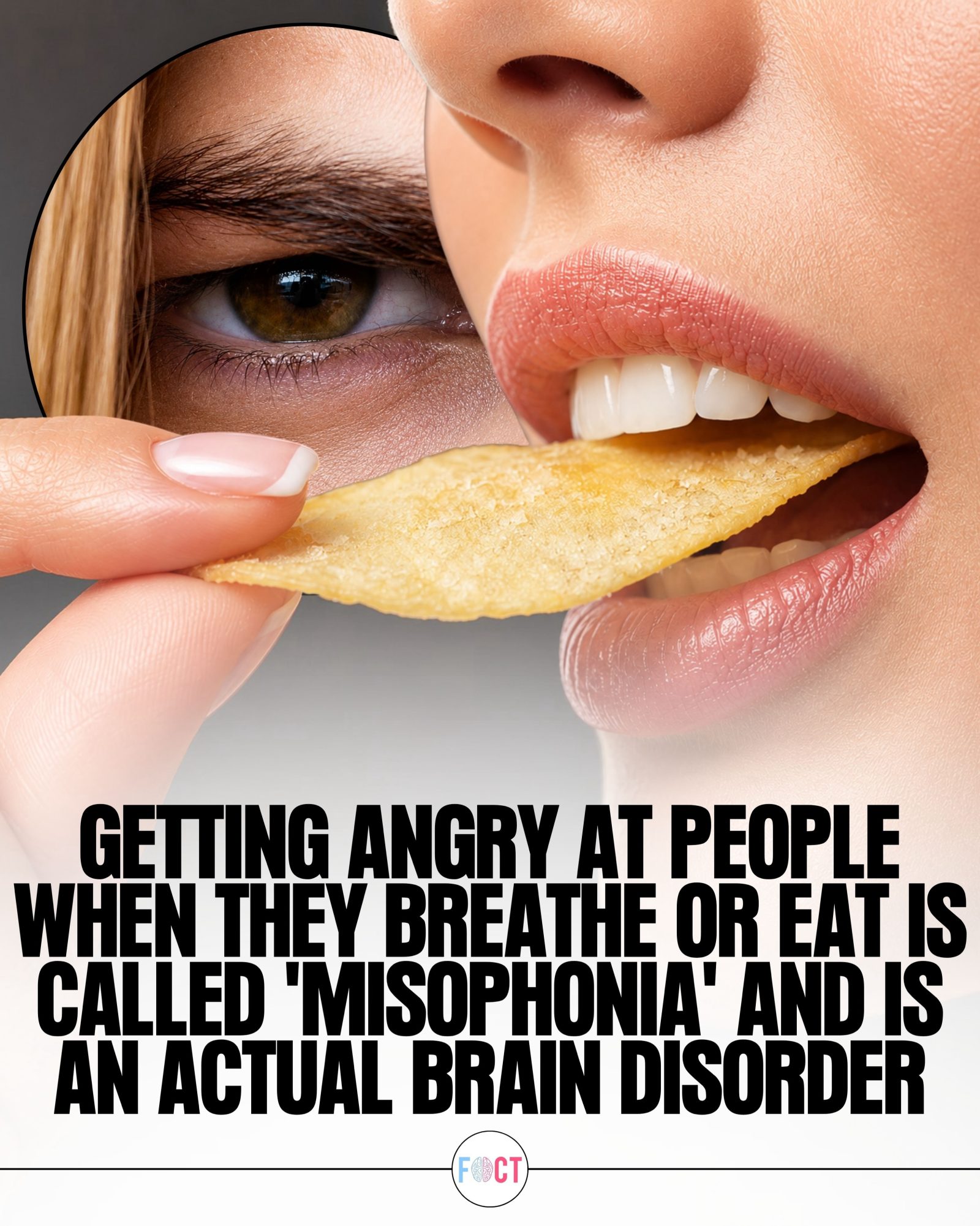
Misophonia Awareness
Misophonia is a condition where certain sounds trigger strong negative emotions. For those with this condition, everyday noises like chewing, breathing, slurping, or even the sound of a pen clicking can provoke immediate feelings of anger, stress, or anxiety. This reaction is far more intense than ordinary irritation, and it's believed to be linked to how the brain processes specific sounds.
While misophonia is still an active area of study, there's a growing body of evidence indicating it's a genuine neurological condition. Here, we'll delve into the key aspects of misophonia, its impact on daily life, and how to recognize and manage it.
Why This Matters
Understanding misophonia is crucial for creating more empathetic and accommodating environments for those who live with this condition. By recognizing the triggers and understanding the neurological basis of misophonia, we can foster better awareness and support in our communities.
Misophonia Triggers and Symptoms
Common Triggers
Triggers for misophonia can vary from person to person, but some of the most common sounds include:
- Eating and Drinking Sounds: Chewing, slurping, and crunching can be particularly bothersome.
- Breathing Sounds: Whether it's heavy breathing, sniffling, or sighing, these sounds can cause significant distress.
- Pen Clicking and Keyboard Typing: Repetitive, rhythmic sounds like these are often cited as triggers.
- Lip Smacking and Other Mouth Sounds: These can be highly irritating for those with misophonia.
Symptoms and Reactions
When exposed to these triggers, individuals with misophonia may experience a range of symptoms, including:
- Anger and Agitation: Immediate feelings of anger or aggression.
- Stress and Anxiety: Heightened stress levels and anxiety.
- Physical Discomfort: This can include increased heart rate, sweating, and muscle tension.
The Neurological Basis of Misophonia
Researchers believe that misophonia is related to how certain sounds are processed in the brain. This processing difference leads to reactions that are far stronger than ordinary irritation. The condition is considered a brain disorder, and studies have shown that individuals with misophonia exhibit different neural responses to specific sounds compared to those without the condition. This neurological basis underscores the importance of recognizing misophonia as a genuine and significant issue.
Impact on Daily Life
Misophonia can significantly affect daily life, impacting relationships, work, and overall well-being. Common challenges include:
- Social Situations: Eating in public or being in close proximity to others can be highly stressful.
- Workplace Challenges: Office environments with co-workers who make triggering noises can be particularly difficult.
- Relationship Strain: Misophonia can create tension in personal relationships, especially if family members or partners are unaware of the triggers.
Practical Tips for Managing Misophonia
For Individuals with Misophonia
- Identify Triggers: Keep a log of sounds that cause reactions to better understand and avoid triggers when possible.
- Communication: Inform friends, family, and co-workers about your condition and specific triggers.
- Noise-Cancelling Headphones: Use these to block out triggering sounds in noisy environments.
- Stress Management: Techniques like deep breathing, meditation, and exercise can help manage stress and anxiety.
For Friends, Family, and Co-Workers
- Awareness: Educate yourself about misophonia and the specific triggers of the person you are supporting.
- Accommodations: Make small adjustments, such as avoiding chewing gum or being mindful of breathing sounds, to create a more comfortable environment.
- Support: Be understanding and patient. Offer support and empathy without judgment.
Important Takeaways
Misophonia is a complex and often misunderstood condition, but it is a genuine neurological issue that affects many people. By understanding the triggers, symptoms, and neurological basis of misophonia, we can create more supportive and accommodating environments. Whether you live with misophonia or know someone who does, recognizing and respecting the condition is the first step toward better management and quality of life.
Conclusion
Misophonia is a serious condition that deserves attention and understanding. By raising awareness and providing practical tips for managing triggers, we can help those with misophonia lead more comfortable and fulfilling lives. Whether you're personally affected by misophonia or simply want to be a more supportive friend or co-worker, the key is to approach the condition with empathy and a willingness to learn.
Watch the Reel
Questions readers ask
What are the most common misophonia triggers?
The most common misophonia triggers are everyday sounds such as eating (chewing, slurping, crunching), breathing, pen clicking, or typing. These sounds can provoke immediate and intense negative emotions in individuals with misophonia. Other common triggers include footsteps, lip smacking, and repetitive noises.
How does misophonia affect the brain?
Misophonia is linked to abnormal activity in the brain's auditory pathways and emotional processing centers. Specifically, it's suggested that certain sounds are processed in the amygdala, hippocampus, and anterior insula, leading to an overactive fight-or-flight response. This results in immediate and intense feelings of anger, stress, or anxiety.
What are the symptoms of misophonia?
Symptoms of misophonia include an immediate and intense negative reaction to specific sounds. These reactions can manifest as anger, irritability, anxiety, or even panic. Other symptoms may include elevated heart rate, sweating, and muscle tension. These symptoms can significantly impact daily life and social interactions.
Is misophonia caused by sound sensitivity or something else?
Misophonia is not merely sound sensitivity. While individuals with misophonia may be sensitive to certain sounds, the key difference is that these sounds provoke intense emotions rather than just discomfort. Misophonia is believed to be a neurological condition, and is associated with specific brain responses to trigger sounds.
What are some strategies to deal with misophonia?
While there's no cure for misophonia, there are strategies to manage it. Sound masking, such as using white noise machines or earplugs, can help reduce the impact of trigger sounds. Cognitive-behavioral therapy (CBT) and mindfulness techniques can also be beneficial, as well as using headphones to listen to music or other calming sounds.
Why do people with misophonia feel anger when hearing certain sounds?
The anger response in misophonia is thought to be due to the brain's emotional processing centers, such as the amygdala, misinterpreting specific sounds as threats. This results in an overactive fight-or-flight response, leading to immediate feelings of anger and distress. This response is often disproportionate to the actual stimulus, making it a unique and challenging aspect of the condition.
Recent articles
Fresh deep dives from the latest Reels we unpacked.




Comments
Be the first to comment.