Misophonia Explained
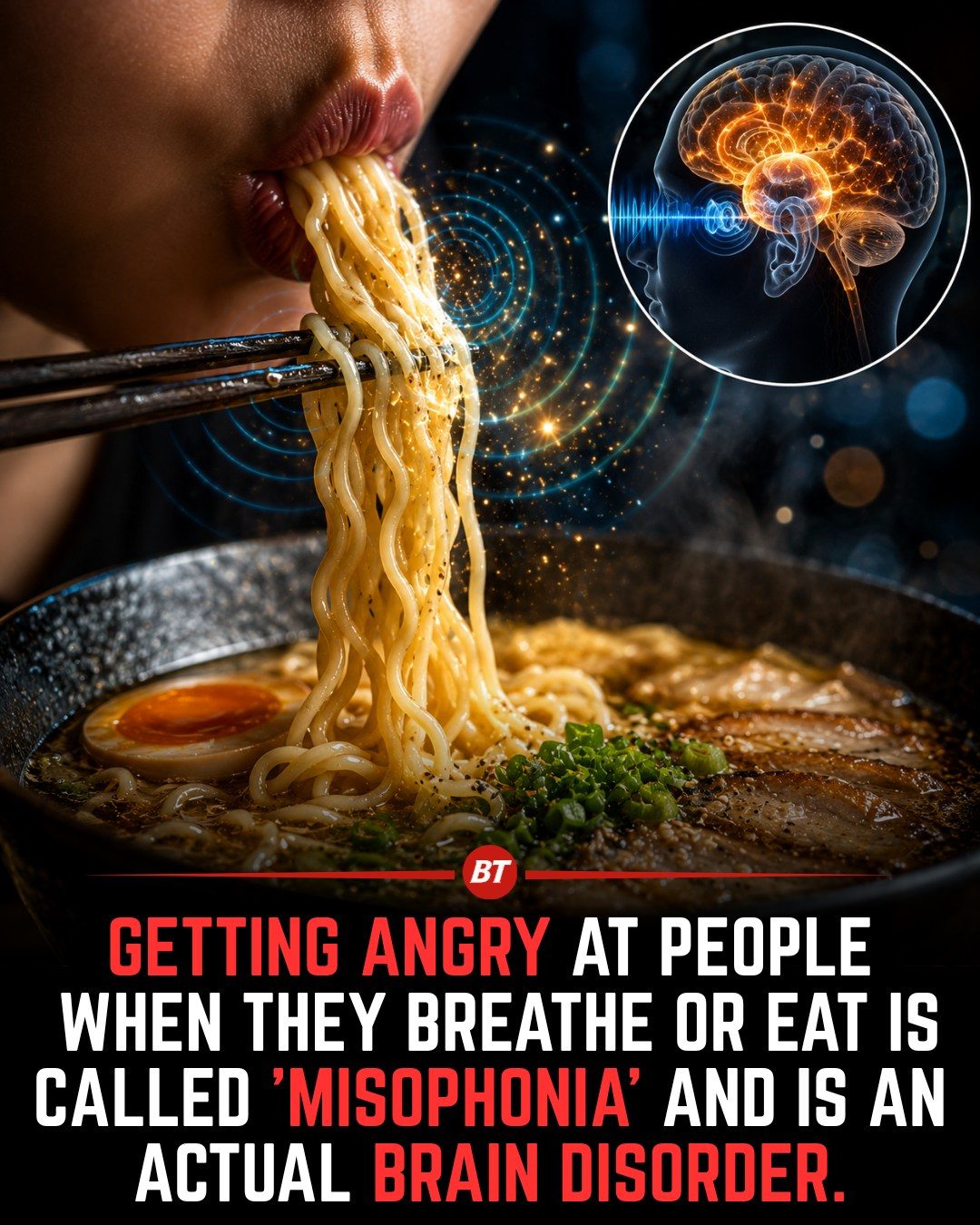
Misophonia is a neurological condition that triggers strong, often negative emotions in response to specific everyday sounds. These sounds are called "trigger sounds" and can include chewing, breathing, swallowing, or even repetitive tapping. This response is more than just a minor annoyance; it's a physiological reaction that can significantly impact daily life.
Context / Why this matters
For anyone who experiences misophonia, understanding this condition's neurological basis can be empowering. This recognition can validate the feelings of someone who may have been misunderstood or dismissed in their experiences. It opens the door to more compassionate interactions and more effective support.
Main discussion
Common Triggers and Symptoms
The list of potential triggers for misophonia is extensive. Common ones include:
- Eating sounds like chewing, lip smacking, or slurping
- Breathing or sniffing noises
- Repetitive sounds like pen clicking or tapping
These sounds can provoke a range of emotional reactions, including anger, panic, or disgust. The response is often immediate and involuntary, leading to a fight-or-flight reaction. This reaction can be overwhelming, even when the individual knows their response is disproportionate to the sound itself. Understanding these triggers can help in recognizing and managing the condition.
Neurological Basis
Brain imaging studies have shown that people with misophonia exhibit heightened activity in the anterior insular cortex. This region of the brain is involved in processing emotions, attention, and the importance of sensory information. When trigger sounds occur, there is an unusually strong connection between the brain's auditory and emotional processing networks. This heightened activity helps explain why ordinary sounds can produce such powerful responses.
The neural connections in the brains of people with misophonia are not solely responsible for the emotional response. Research suggests that this is due to both the auditory processing and emotional networks. The auditory network recognizes the trigger sound, while the emotional network responds with strong emotions.
Growing Recognition
Misophonia is a relatively new area of neuroscience research. Although it is not yet officially listed as a separate disorder in major diagnostic manuals, awareness of the condition has grown rapidly over the past decade. Researchers are actively investigating its causes and effective treatments, with approaches such as cognitive behavioral therapy (CBT), sound therapy, and coping strategies showing promise. This increase in recognition can provide a better path for diagnosis and treatment.
Understanding the Condition
It's important to note that misophonia is not simply about being easily irritated. Many people with this condition do not experience the same level of irritation from other stimuli. Misophonia is characterized by a rapid, involuntary fight-or-flight response to specific sounds. This physiological reaction can make the condition very real and debilitating, even when others may not understand what they're experiencing.
Practical Tips
Identifying Triggers
The first step in managing misophonia is identifying your specific triggers. Keep a log of the sounds that provoke strong emotional reactions. This can help in avoiding or mitigating exposure to those sounds.
Sound Therapy and Noise-Cancelling Devices
Sound therapy and noise-cancelling devices can be helpful. Noise-cancelling headphones can block out trigger sounds, while sound therapy can help desensitize the auditory system to specific noises.
Cognitive Behavioral Therapy (CBT)
CBT can be an effective treatment for misophonia. This therapy focuses on changing thought patterns and behaviors that contribute to the condition. CBT can help manage emotional responses to trigger sounds and improve overall quality of life.
Establishing Boundaries
Establishing boundaries and communicating with others about your condition can also help. Family, friends, and coworkers can be more understanding when they know about your triggers and how they affect you.
Important Takeaways
Misophonia is a real and recognized neurological condition that can significantly impact daily life. Understanding the emotional and physiological responses to trigger sounds can help in managing the condition. Treatments such as CBT, sound therapy, and coping strategies are available and can improve the quality of life for those with misophonia.
Conclusion
Misophonia is a complex condition that involves both the auditory and emotional processing networks in the brain. By understanding the neurological basis of this condition, recognizing common triggers, and exploring effective treatments, we can better manage and support those who experience misophonia. Awareness and understanding are key to fostering a more compassionate and supportive environment for those living with this condition.
Watch the Reel
Questions readers ask
What are the most common trigger sounds for misophonia?
The most common triggers include repetitive noises such as chewing, breathing, swallowing, and tapping. These sounds can provoke immediate and overwhelming emotional responses in individuals with misophonia.
How does misophonia affect the brain?
Misophonia is linked to elevated activity in the anterior insula and other regions of the brain associated with emotion and the sympathetic nervous system. This heightened activity explains the intense emotional and physical reactions to trigger sounds.
Can misophonia be caused by conditioning?
Yes, misophonia can develop through a process called conditioning. This means that a person may initially react negatively to certain sounds and over time, the brain learns to associate these noises with negative emotions, leading to the strong reactions characteristic of misophonia.
Why do everyday sounds provoke such strong emotions in people with misophonia?
The exact cause of misophonia is still a subject of ongoing research, but it is believed to be related to the way certain sounds are processed in the brain. Those with misophonia may have heightened sensitivity to specific auditory stimuli, leading to strong emotional responses, including anger and anxiety, when exposed to these sounds.
How can understanding misophonia help in daily life?
Understanding misophonia can lead to more compassionate interactions and effective support for those who experience it. Recognizing the neurological basis of the condition can validate the feelings of individuals with misophonia, reducing misunderstandings and dismissal of their experiences.
Related deep dives
Similar reads based on topic and creator.




Recent articles
Fresh deep dives from the latest Reels we unpacked.




Comments
Be the first to comment.