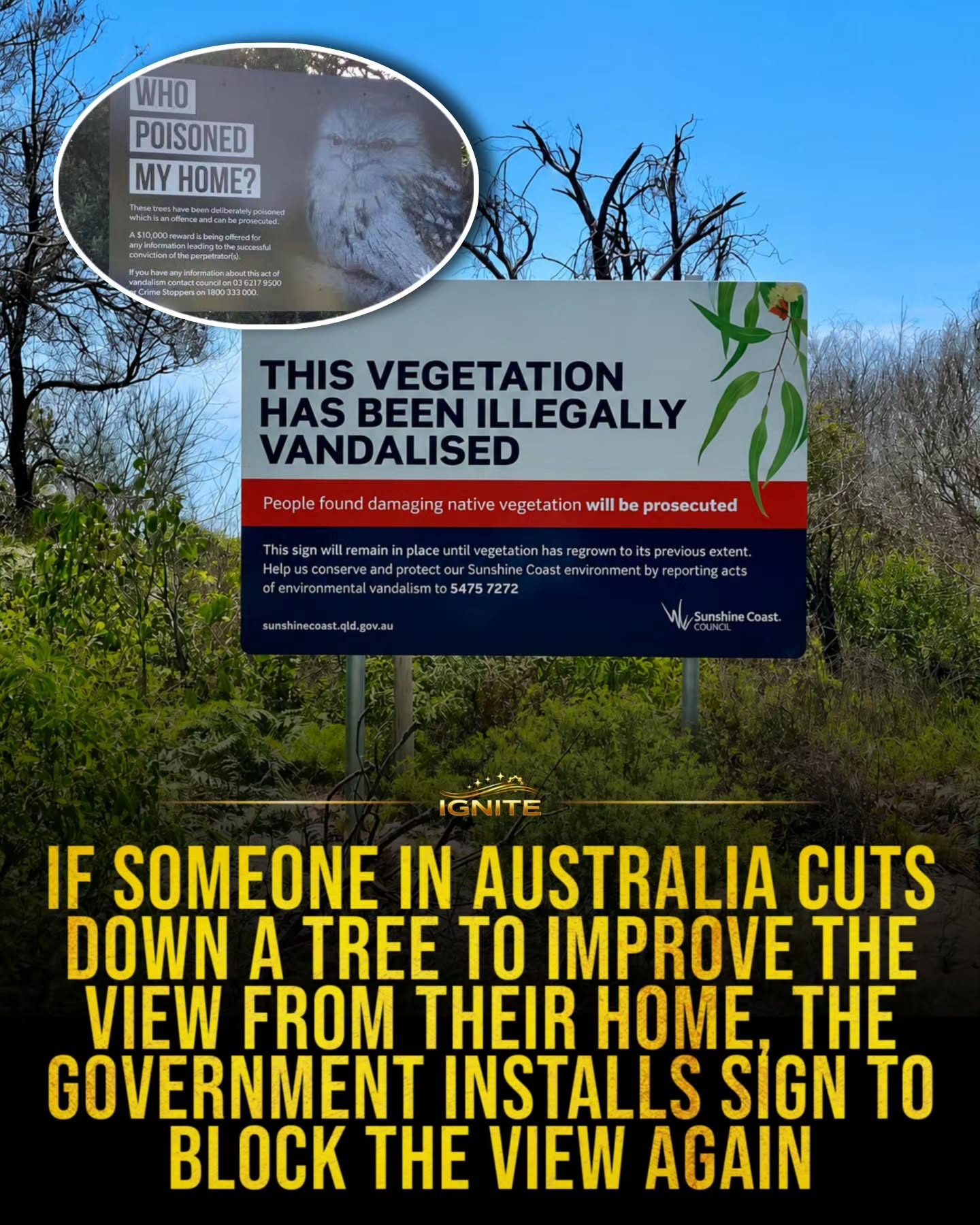
Tree Vandalism Awareness
Tree vandalism is a growing concern in many communities, with incidents of deliberate damage or destruction of trees becoming more frequent. This issue is not just about the loss of individual trees but also the broader environmental and social impacts. The Sunshine Coast Council, along with other local authorities, has taken significant steps to address tree vandalism by raising awareness, implementing deterrents, and enforcing penalties.
Why This Matters
Tree vandalism has far-reaching consequences. Trees are critical components of the ecosystem, providing habitat for wildlife, improving air quality, and contributing to the overall health of the environment. When trees are vandalized, these benefits are compromised, affecting both the local environment and the community. Moreover, tree vandalism can lead to soil erosion, loss of biodiversity, and the disruption of natural processes.
The Extent of the Problem
Identifying Tree Vandalism
Tree vandalism can take various forms, from cutting down trees to poisoning them. Signs of vandalism can be subtle, making it difficult for the average person to spot. However, some common indicators include unusual patterns of tree death, unexplained damage to the trunk or branches, and the presence of unauthorised signs or markings. If someone notifies authorities about suspected tree vandalism, signs are immediately installed to keep the perpetrators away.
Types of Tree Vandalism
There are several types of tree vandalism, each with its own set of challenges and impacts:
- Deliberate Cutting: This involves cutting down trees without permission. It can be motivated by a desire to improve a view or clear land for development. The deliberation is evident in the precise cuts made to the tree trunks.
- Poisoning: Poisoning trees is a particularly insidious form of vandalism. It can be difficult to detect and even harder to prosecute. Often, the perpetrators use herbicides or other toxic substances to kill the trees.
- Defacement: This includes carving into the tree bark, painting, or other forms of physical damage that can harm the tree. Defacement can lead to infections and long-term damage to the tree.
Legal and Enforcement Measures
Penalties and Prosecution
Damaging or destroying trees can lead to severe penalties. Local authorities are taking strict measures to enforce these regulations. The Sunshine Coast Council, for example, has implemented a range of penalties for those found guilty of tree vandalism. People found damaging native vegetation will face prosecution, and significant fines or imprisonment may be imposed. Local councils and law enforcement agencies work together to investigate and prosecute these cases.
Rewards and Incentives
To encourage vigilance and reporting, authorities offer substantial rewards for information leading to the conviction of tree vandals. For instance, a $10,000 reward is being offered for any information leading to the successful conviction of the perpetrator(s) in the Sunshine Coast area. This initiative aims to deter potential vandals and empower the community to actively participate in protecting their natural environment.
Community Involvement
Community involvement is crucial in tackling tree vandalism. Local councils encourage residents to report any suspicious activities or signs of vandalism. Citizens can contact the council or Crime Stoppers with any information. This collaborative effort helps in quickly identifying and addressing incidents of tree vandalism. The community also plays a vital role in raising awareness about the importance of protecting trees and the consequences of vandalism.
Practical Tips
What to Look For
Staying vigilant and aware of your surroundings can help in identifying and reporting tree vandalism quickly. Key signs to look for include:
- Unexplained tree deaths: If trees in an area suddenly start dying without an apparent natural cause, it could indicate poisoning or other forms of vandalism.
- Physical damage: Look out for cut marks, carvings, or other visible signs of physical damage to the tree.
- Unusual markings: Some vandalism may involve paint or other markings on trees, which can be a sign of deliberate defacement.
- Signs of unauthorized activities: Unauthorized construction, removal of trees, or other activities in protected areas can be a red flag.
Reporting Tree Vandalism
If you suspect tree vandalism, it is essential to report it promptly. Here are the steps you can take:
- Document the incident: Take photos or videos of the damage, noting the date, time, and location. This evidence can be crucial for investigations.
- Contact the authorities: Reach out to your local council or law enforcement agencies. Report any suspicious activity or damage immediately. Provide all the details and evidence you have gathered.
- Follow up: Keep track of your report and follow up with the authorities if necessary. Your continued involvement can help ensure that the case is fully investigated and addressed.
Preventing Tree Vandalism
Prevention is key to minimizing tree vandalism. Here are some proactive measures you can take:
- Install deterrents: Use signs, fences, or other barriers to protect trees from vandalism. Clear signage can act as a deterrent and remind people of the consequences.
- Raise awareness: Educate your community about the importance of trees and the impacts of vandalism. Host workshops, distribute informational materials, and engage in community discussions.
- Promote community stewardship: Encourage a sense of ownership and responsibility among community members. Organize tree-planting events, clean-up drives, and other activities that foster a connection with the natural environment.
Important Takeaways
Tree vandalism is a significant issue that requires collective effort to address. By understanding the types of vandalism, the legal implications, and the importance of community involvement, we can work together to protect our natural environment. Reporting incidents, raising awareness, and implementing preventive measures are crucial steps in combating this problem.
Conclusion
Tree vandalism affects not only the individual trees but also the broader ecosystem and community. It is essential to be vigilant, report any incidents, and support local initiatives aimed at preventing and addressing tree vandalism. By working together, we can protect our natural environment and ensure that trees continue to thrive for future generations. Respect the vegetation and report any signs or activities that show vandalism.
Watch the Reel
Questions readers ask
What are some common signs of tree vandalism I should look out for in my community?
Signs of tree vandalism can include broken branches, stripped bark, carvings or writing on the trunk, and even entire trees being uprooted. These signs may indicate deliberate damage, so it’s important to report them to your local council if you encounter them.
How can local councils effectively prevent tree vandalism in public spaces?
Local councils can implement several strategies to prevent tree vandalism. These include installing surveillance cameras, placing protective barriers around trees, organizing community workshops to raise awareness, and enforcing stricter penalties for those caught damaging trees.
What role can community members play in preventing tree vandalism?
Community members are essential in the fight against tree vandalism. By reporting any suspicious activities, participating in local tree protection initiatives, and advocating for stronger regulations, residents can help safeguard their local environment.
What kind of penalties can be expected for those convicted of tree vandalism?
Penalties for tree vandalism can vary depending on the severity of the damage and local regulations. They may include fines, community service, or even imprisonment in severe cases. The aim is to deter potential vandals and emphasize the seriousness of the offense.
How does tree vandalism affect the local wildlife and ecosystem?
Tree vandalism can have a devastating impact on local wildlife and ecosystems. It can destroy habitats, reduce food sources, and disrupt the balance of the ecosystem. Additionally, damaged trees are more susceptible to diseases and pests, which can further harm the surrounding environment.
What steps should I take if I witness an act of tree vandalism in progress?
If you witness an act of tree vandalism in progress, prioritize your safety. Immediately contact local law enforcement and provide as many details as possible. Do not attempt to confront the perpetrator yourself. Your timely report can help authorities take swift action to prevent further damage and potentially apprehend the offender.
Related deep dives
Similar reads based on topic and creator.

Recent articles
Fresh deep dives from the latest Reels we unpacked.




Comments
Be the first to comment.