Plastic Bottle Recycling in Ecuador
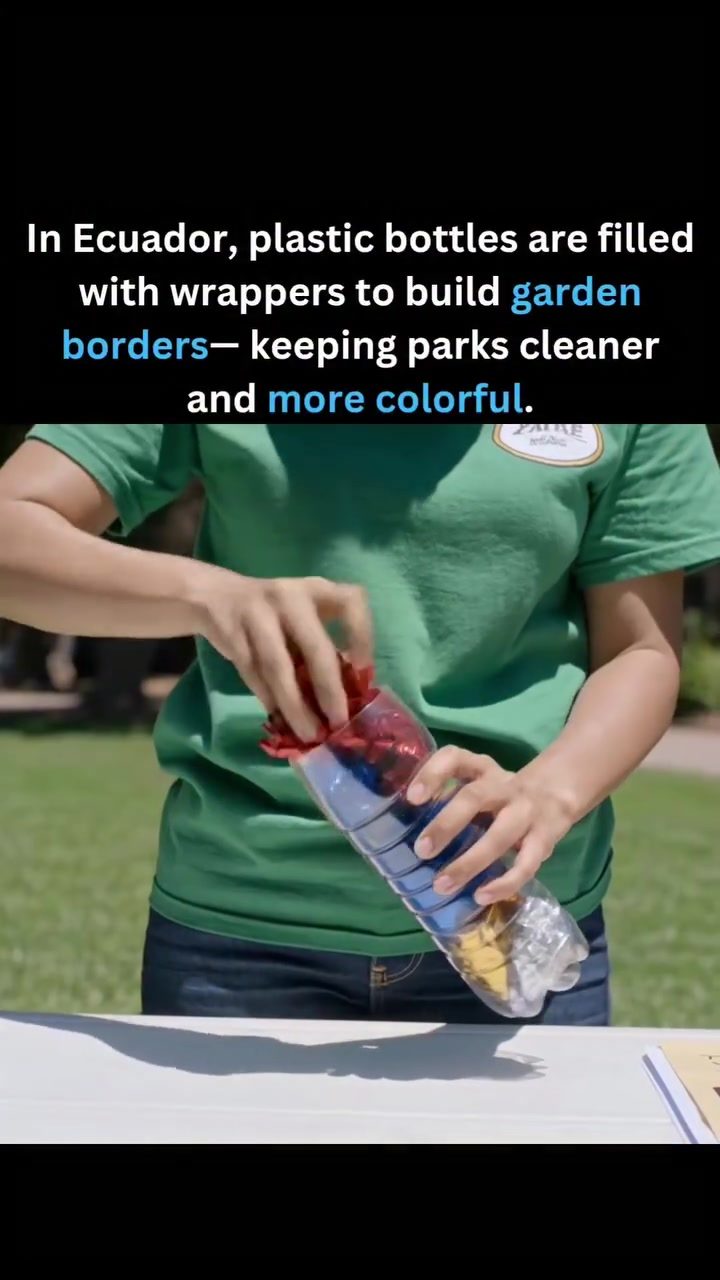
In Ecuador, a unique initiative is transforming plastic bottles into functional and aesthetically pleasing garden borders. This project not only repurposes plastic waste but also enhances the visual appeal of public parks, creating a cleaner and more colorful environment.
Projects like this are important because plastic waste is a significant problem worldwide. Many plastic bottles end up in landfills or as litter, contributing to environmental degradation. By repurposing these bottles into useful items, the project in Ecuador addresses this issue on multiple levels, serving as a model for other communities.
The Process and Benefits
To understand the project better, let's delve into the process and the benefits it offers.
How It Works
The initiative involves filling plastic bottles with colorful wrappers and arranging them to form garden borders. This simple yet effective method achieves several goals. First, it provides a practical use for plastic bottles that might otherwise end up as waste. Second, the colorful wrappers add a visual element to the garden, making it more vibrant and inviting.
By using plastic bottles as borders, the project also helps to keep parks cleaner. The borders serve as a physical barrier that can prevent litter from blowing into the garden areas, thus maintaining the park's cleanliness. This simple yet effective method not only repurposes plastic waste but also enhances the visual appeal of public parks, creating a cleaner and more colorful environment.
Environmental Impact
Repurposing plastic bottles into garden borders has a significant environmental impact. It reduces the amount of plastic waste that ends up in landfills or as litter, contributing to a cleaner environment. Additionally, the use of colorful wrappers adds a visual appeal to the garden, making it more attractive and inviting. The project shows that even simple actions can have a positive impact on the environment, encouraging others to find creative ways to repurpose waste materials.
Community Engagement
Engaging the community is another critical aspect of this project. Community members are involved in the process of filling the bottles and placing them along the garden beds. This hands-on participation not only fosters a sense of ownership and responsibility but also educates people about the importance of recycling and repurposing waste materials. By involving the community, the project becomes a collective effort that benefits everyone.
Reducing plastic waste can also have long-term benefits for the community. By repurposing plastic bottles, the project reduces the amount of plastic waste that ends up in landfills or as litter, contributing to a cleaner environment. Additionally, the use of colorful wrappers adds a visual appeal to the garden, making it more attractive and inviting.
Practical Tips for Your Own Plastic Bottle Recycling Project
If you're inspired to start a similar project in your own community, here are some practical tips to help you get started.
Gather Materials
To begin, you'll need a substantial number of plastic bottles and colorful wrappers. Reach out to local schools, businesses, and community centers to collect plastic bottles. For wrappers, consider reaching out to local businesses that might have spare wrapping paper or other colorful materials.
Engage Your Community
Community involvement is key to the success of this project. Organize workshops or volunteer days where community members can help fill the bottles and place them along garden beds. This not only spreads the workload but also fosters a sense of community and collective responsibility.
Find the Right Location
Choose a location that is both accessible and visible. Parks, community gardens, and school grounds are ideal spots. Make sure the area is well-maintained and that there is enough space for the borders.
Maintenance
Regular maintenance is crucial to keep the garden borders looking neat and colorful. Periodically check the bottles to ensure they are securely placed and the wrappers are still vibrant. You may also need to replace any damaged or faded wrappers.
Creative Variations
While the basic idea is to fill bottles with wrappers, there are many creative variations you can explore. For example, you can use different colors and patterns for the wrappers or even paint the bottles themselves. You can also incorporate other recycled materials like plastic caps or metal lids to add variety and interest.
Important Takeaways
The plastic bottle recycling project in Ecuador provides valuable insights and practical examples for anyone interested in similar initiatives. The project demonstrates that even simple actions can have a significant impact on the environment, and it offers a practical way to repurpose plastic waste. Engaging the community and fostering a sense of collective responsibility is key to the success of such projects.
Conclusion
In Ecuador, the initiative to use plastic bottles as garden borders is a shining example of how repurposing plastic waste can lead to a more beautiful and sustainable environment. By involving the community and finding creative ways to use waste materials, this project not only addresses environmental issues but also enhances public spaces. Inspired by this example, you can start your own project to make a positive difference in your community.
Watch the Reel
Questions readers ask
How does the garden border initiative in Ecuador contribute to reducing plastic waste?
The initiative repurposes plastic bottles, which would otherwise contribute to landfill waste or litter. By transforming these bottles into garden borders, the project significantly reduces plastic waste in public spaces, promoting a cleaner environment.
What are the benefits of using plastic bottles as garden borders?
Using plastic bottles as garden borders provides both functional and aesthetic benefits. Functionally, they act as sturdy barriers for gardens. Aesthetically, they add vibrant colors to parks, making them more attractive and inviting.
Can this initiative be replicated in other communities?
Absolutely. The simplicity and effectiveness of this method make it an excellent model for other communities. By following a similar process, other areas can also transform plastic waste into useful and visually appealing items, enhancing their local environments.
What types of plastic bottles are typically used in this initiative?
The initiative primarily uses PET (Polyethylene Terephthalate) bottles, which are commonly used for soda, water, and other beverages. These bottles are easy to clean, cut and repurpose.
How does this initiative help in managing public spaces?
By converting plastic waste into garden borders, the initiative helps maintain cleaner and more organized public spaces. It reduces litter, encourages recycling, and creates a more visually appealing environment for visitors to enjoy.
Related deep dives
Similar reads based on topic and creator.



Recent articles
Fresh deep dives from the latest Reels we unpacked.




Comments
Be the first to comment.