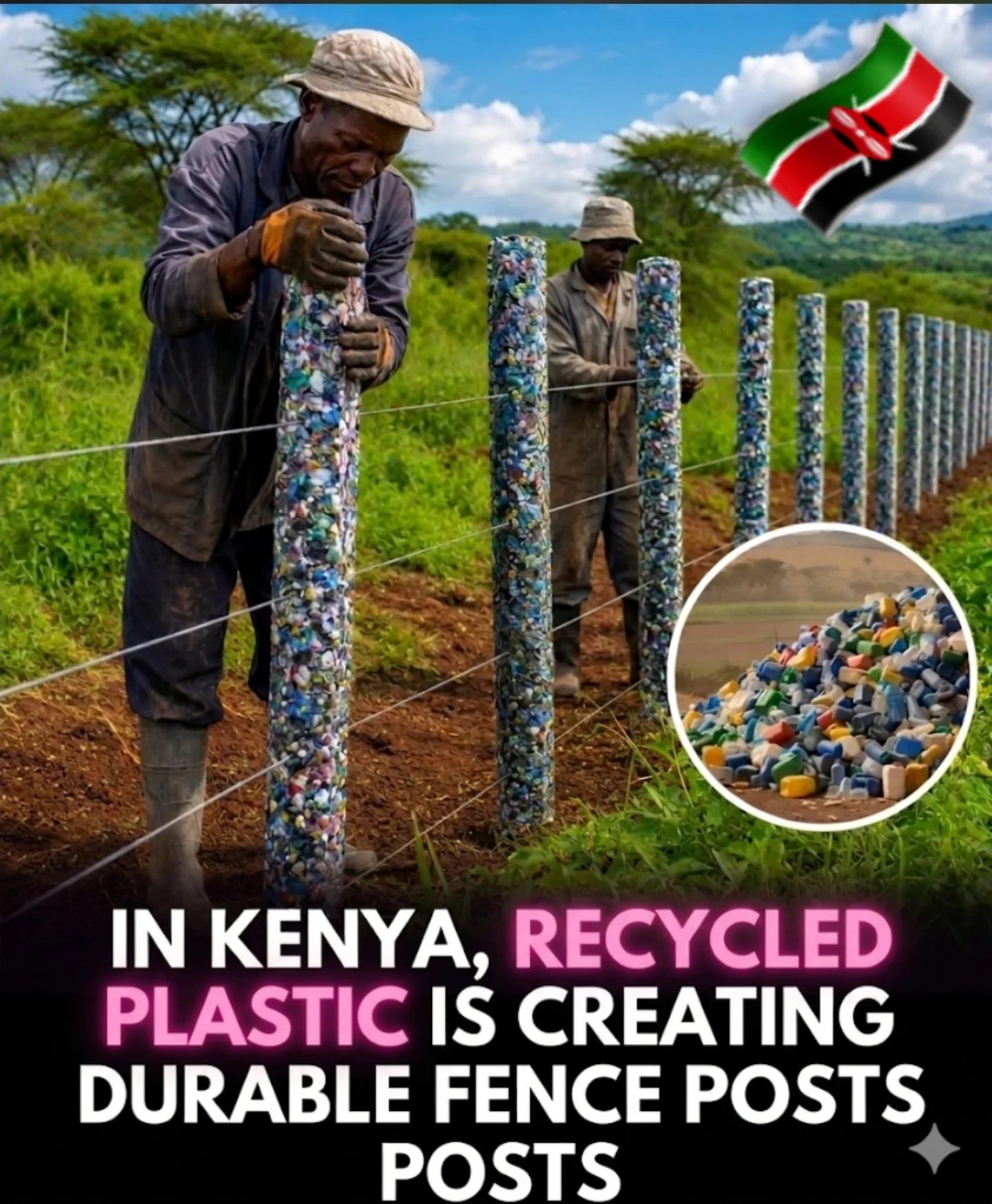
Recycled Plastic Fence Posts
In Kenya, a transformative initiative is turning plastic waste into durable, eco-friendly fence posts. This innovative approach not only addresses the pressing issue of plastic pollution but also offers a sustainable alternative to traditional timber.
Context / Why this matters
Plastic pollution poses a significant threat to the environment, with plastic waste often ending up in landfills or polluting oceans. In Kenya, the problem is particularly acute. The country is home to numerous water sources and wildlife, which are heavily affected by plastic waste. If left unchecked, this waste can take centuries to decompose, leading to environmental degradation, harm to wildlife, and the spread of disease.
This initiative is not just an environmental solution; it’s a model for sustainable development. By recycling plastic waste into fence posts, Kenya is creating jobs, conserving resources, and promoting a circular economy. This model can inspire similar initiatives worldwide, demonstrating how waste can be transformed into valuable resources.
Main discussion
The process of creating recycled plastic fence posts
The process begins with the collection of plastic waste from various sources, including consumer waste and industrial byproducts. The collected plastic is then sorted, cleaned, and shredded into small pieces. These pieces are then melted and molded into fence posts using specialized machinery.
The resulting posts are not only durable but also resistant to common issues that plague traditional wooden posts, such as rot, termites, and moisture. This makes them an ideal solution for agriculture and fencing, as they offer a longer lifespan and require less maintenance.
Environmental benefits
Relying on recycled plastic fence posts offers significant environmental benefits:
- Reduced landfill waste: By transforming plastic waste into fence posts, the initiative helps reduce the amount of waste sent to landfills. This not only saves landfill space but also minimizes the environmental impact associated with waste disposal.
- Cleaner oceans: Plastic waste often ends up in oceans, endangering marine life and ecosystems. This initiative diverts plastic from water sources, helping to maintain healthier ecosystems.
- Combats deforestation: The use of recycled plastic eliminates the need for timber, helping to combat deforestation. This contributes to the preservation of forests, which are crucial for carbon sequestration, biodiversity, and ecosystem services.
- Resource conservation: The production of recycled plastic fence posts requires less energy and fewer resources compared to the production of new plastic or timber. This helps conserve valuable resources, such as oil and wood, while also reducing greenhouse gas emissions.
Economic benefits
This initiative also brings economic benefits, including:
- Job creation: The production of recycled plastic fence posts creates jobs in waste collection, manufacturing, and installation. This supports local economies and provides sustainable livelihoods for communities.
- Cost savings: Recycled plastic fence posts are often more cost-effective than traditional timber posts, as they require less maintenance and have a longer lifespan.
Community impact
The initiative has a positive impact on local communities, providing:
- Green jobs: The initiative creates employment opportunities in waste management, manufacturing, and installation, fostering community development and economic growth.
- Community engagement: By involving local communities in waste collection and recycling, the initiative promotes awareness and encourages sustainable practices.
Practical tips
If you're considering implementing a similar initiative in your community, here are some practical tips:
- Start small: Begin with a pilot project to test the feasibility and gather data. This will help you identify potential challenges and make necessary adjustments.
- Engage stakeholders: Collaborate with local businesses, government agencies, and community organizations to gain support and resources.
- Invest in infrastructure: Ensure you have the necessary equipment and facilities for waste collection, sorting, and recycling.
- Promote awareness: Educate the public about the benefits of recycling and the importance of reducing plastic waste.
- Monitor and evaluate: Regularly assess the performance of your initiative and make improvements as needed. Track metrics like the amount of waste collected, jobs created, and environmental impact.
Tools and resources
To get started, you may need the following tools and resources:
- Waste collection bins: For collecting and sorting plastic waste.
- Shredding and melting equipment: For processing the plastic into fence posts.
- Molding machinery: For shaping the melted plastic into the desired form.
- Marketing materials: To promote awareness and engagement within the community.
Important takeaways
Recycled plastic fence posts offer a sustainable and durable alternative to traditional timber. They provide numerous environmental, economic, and community benefits, making them an excellent choice for agricultural and fencing needs. By implementing similar initiatives, communities can address the challenge of plastic pollution while promoting a circular economy. The key to success lies in careful planning, stakeholder engagement, and continuous evaluation.
Conclusion
The creation of recycled plastic fence posts in Kenya is a pioneering initiative that showcases the power of innovation in addressing environmental challenges. By transforming plastic waste into valuable resources, this initiative not only reduces pollution but also supports local economies and promotes sustainability. As we strive for a greener future, initiatives like these serve as inspiring examples of how waste can be turned into opportunity.
Watch the Reel
Questions readers ask
How does Kenya's plastic recycling initiative work?
Kenya's initiative involves collecting plastic waste from various sources, cleaning and sorting the materials, then melting and molding them into durable fence posts. This process not only reduces plastic pollution but also creates jobs in the recycling and manufacturing sectors.
What makes recycled plastic fence posts a sustainable alternative to timber?
Recycled plastic fence posts are more durable and long-lasting than timber, which is susceptible to rot, pests, and weathering. Additionally, using recycled plastic reduces reliance on timber, helping to preserve Kenya's forests and combat deforestation.
How does this initiative address plastic waste management in Kenya?
By turning plastic waste into fence posts, Kenya reduces the amount of plastic that ends up in landfills and pollutes the environment. This initiative encourages a circular economy, where waste is repurposed into useful products, minimizing environmental impact.
What environmental benefits does this initiative bring to Kenya?
The initiative helps to protect wildlife and water sources from plastic pollution. By reducing plastic waste, Kenya can mitigate environmental degradation, decrease the spread of disease, and preserve its natural habitats.
How does this initiative promote sustainable development in Kenya?
The initiative promotes sustainable development by creating jobs in the recycling and manufacturing sectors, supporting local economies, and fostering a culture of recycling and waste management.
What are the benefits of using recycled plastic fence posts for farmers and rural communities?
Recycled plastic fence posts offer durability and longevity, making them a cost-effective choice for farmers and rural communities. Additionally, this initiative helps to keep their local environments clean and safe from plastic pollution.
What role does the local community play in this initiative?
Local communities are crucial in collecting and sorting plastic waste, which can be a source of income and empowerment. Additionally, they benefit from the creation of jobs in manufacturing and the improved aesthetics and safety of their local environments.
Related deep dives
Similar reads based on topic and creator.

Recent articles
Fresh deep dives from the latest Reels we unpacked.




Comments
Be the first to comment.