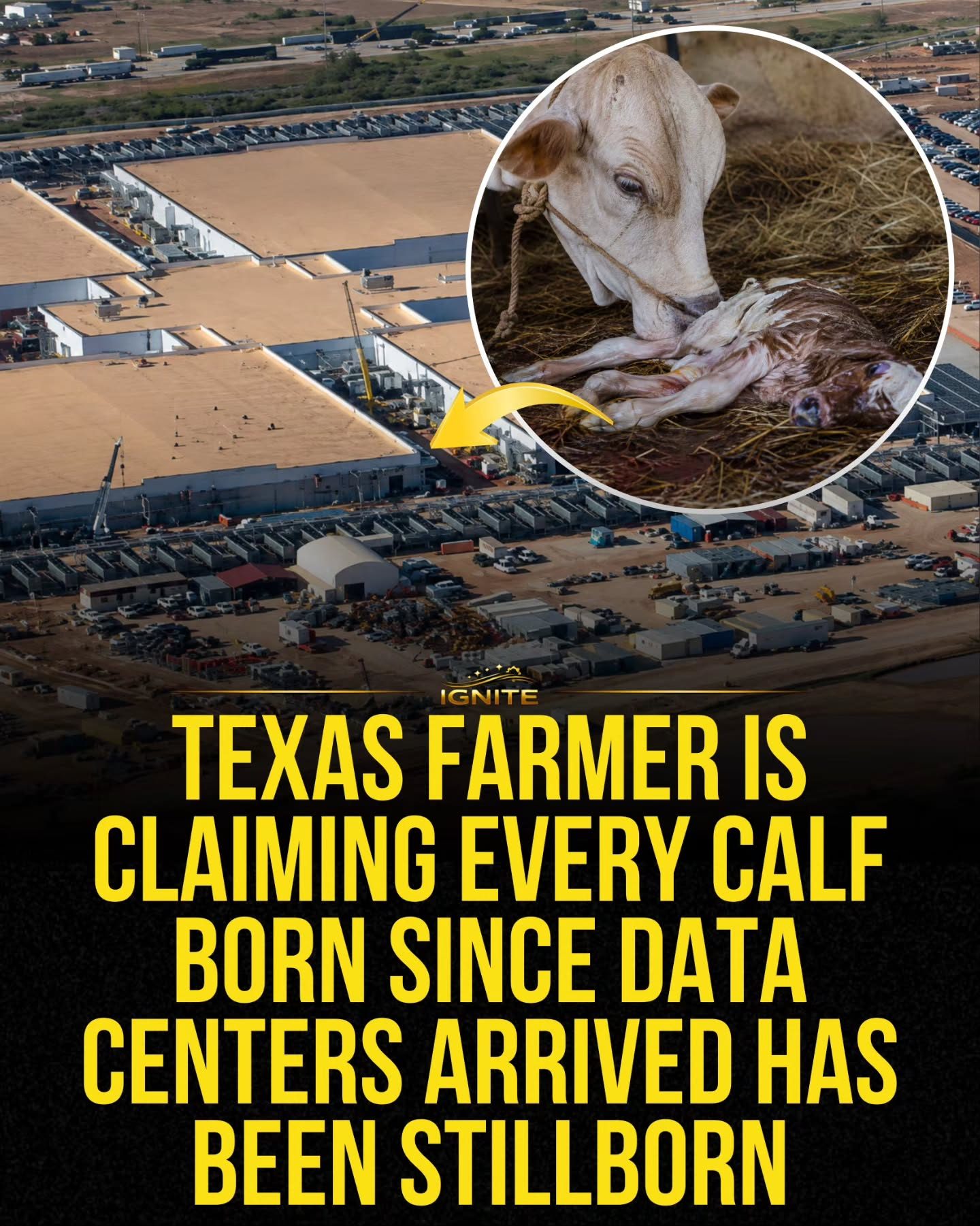
Stillbirths in Cattle Linked to AI Data Centers: A Texas Farmer's Claim
In Texas, a farmer has made a bold assertion that every calf born on his property since the arrival of nearby data centers has been stillborn. This claim, brought to light by IGNITE FARMER, has sparked a wave of concern and speculation, particularly as AI data centers continue to proliferate across the United States.
Why This Matters
The farmer's claim touches on several critical issues that intersect agriculture, technology, and environmental health. As data centers expand, so do concerns about their environmental impact, including potential effects on local ecosystems and livestock.
Stillbirths in cattle can be caused by a myriad of factors, including disease, nutrition, genetics, infections, toxins, and environmental conditions. The farmer's allegation introduces a new variable: the potential influence of data centers on animal health.
Understanding the Claim
The Farmer's Observation
The Texas farmer has noted that since the construction of large data centers near his property, every calf born has been stillborn. This observation has led him to question whether the data centers, which consume significant amounts of energy and produce substantial heat, could be contributing to this tragic phenomenon.
The Role of Data Centers
Data centers are crucial for the functioning of modern technology, powering everything from cloud storage to artificial intelligence. However, their environmental footprint is considerable. They require vast amounts of electricity, leading to concerns about emissions and potential pollution. The heat generated by data centers, combined with the chemicals used in their cooling systems, could potentially affect the surrounding environment.
Technological Concurrence
The farmer's claim is particularly noteworthy because it coincides with the rapid expansion of data centers across the U.S. This expansion is driven by the increasing demand for AI and digital services, which require vast amounts of computational power and storage.
Practical Tips for Farmers and Data Center Operators
For Farmers
- Consult Experts: If you observe unusual patterns in your livestock, it is crucial to consult with veterinarians and agricultural experts. They can help identify potential causes and recommend appropriate actions.
- Monitor Environmental Changes: Keep a close eye on any changes in the local environment, especially if new industrial developments occur nearby. Document any observations that could be linked to these changes.
- Engage with the Community: Share your observations with other farmers and local authorities. Collective awareness can help in identifying broader patterns and potential risks.
For Data Center Operators
- Environmental Impact Assessments: Conduct thorough environmental impact assessments before and after the construction of data centers. This includes monitoring air and water quality, as well as any potential effects on local wildlife and agriculture.
- Transparency and Communication: Maintain open lines of communication with the local community, including farmers. Address any concerns promptly and transparently, and collaborate on solutions if issues arise.
- Sustainable Practices: Implement sustainable practices to minimize the environmental impact of data centers. This can include using renewable energy sources, improving energy efficiency, and adopting greener cooling technologies.
Important Takeaways
The farmer's claim underscores the need for further investigation into the potential impacts of data centers on local ecosystems and livestock. While the specific cause of the stillbirths remains unknown, it highlights the importance of considering the broader environmental implications of technological advancements.
It is essential to approach this issue with a balanced perspective, acknowledging the critical role of data centers in modern technology while also addressing the legitimate concerns of farmers and the broader community. Collaboration between agricultural experts, environmental scientists, and data center operators can help shed light on this complex issue.
Conclusion
The claim by a Texas farmer that every calf born since the arrival of nearby data centers has been stillborn raises critical questions about the environmental impact of data centers. While the cause of the stillbirths remains unverified, the situation underscores the need for comprehensive environmental assessments and transparent communication between data center operators and the local community. As technology continues to advance, it is essential to address the potential environmental and health impacts, ensuring a sustainable and harmonious coexistence between technological progress and agricultural health.
Watch the Reel
Questions readers ask
How many data centers are there in Texas, and how many are planned to be built?
As of the latest available data, Texas is home to numerous data centers, with more than 100 operational facilities. The state has also seen a growing number of data center projects planned or under construction, reflecting the increasing demand for data storage and processing services. The exact number of planned facilities can vary based on the latest updates from technology companies and real estate developers.
What are the primary environmental concerns associated with data centers?
Data centers consume significant amounts of energy and water, contributing to greenhouse gas emissions and straining local resources. They generate substantial heat, which can impact local ecosystems and wildlife if not properly managed. Additionally, data centers may emit pollutants and chemicals that can contaminate soil, water, and air, posing risks to both livestock and human health.
What are the most common toxins that can affect the health of cattle?
Cattle can be affected by a variety of toxins, including pesticides, herbicides, heavy metals, and industrial chemicals. These toxins can enter a cow’s body through contaminated water, feed, or air. Toxins can cause reproductive problems, such as stillbirths, as well as other health issues in cattle, such as liver damage, kidney failure, and neurological disorders.
How do data centers typically address environmental concerns?
Data centers often implement various strategies to mitigate their environmental impact. These can include using renewable energy sources, optimizing cooling systems to reduce energy consumption, and implementing water recycling programs. Additionally, some data centers invest in carbon offsets and other sustainability initiatives to minimize their overall environmental footprint.
What steps can farmers take to protect their livestock from potential data center impacts?
Farmers can take several proactive steps to protect their livestock, such as monitoring local air and water quality, consulting with veterinarians to ensure proper animal health management, and advocating for stricter regulations on data center emissions. Additionally, farmers can collaborate with local environmental agencies to conduct health assessments and ensure that data centers comply with environmental standards.
What are some of the key regulations that govern data center operations in Texas?
Texas has several key regulations that govern data center operations, including environmental impact assessments, air and water quality standards, and waste management requirements. The Texas Commission on Environmental Quality (TCEQ) oversees these regulations to ensure that data centers operate in compliance with state environmental laws, protecting both local ecosystems and public health.
Related deep dives
Similar reads based on topic and creator.




Recent articles
Fresh deep dives from the latest Reels we unpacked.




Comments
Be the first to comment.