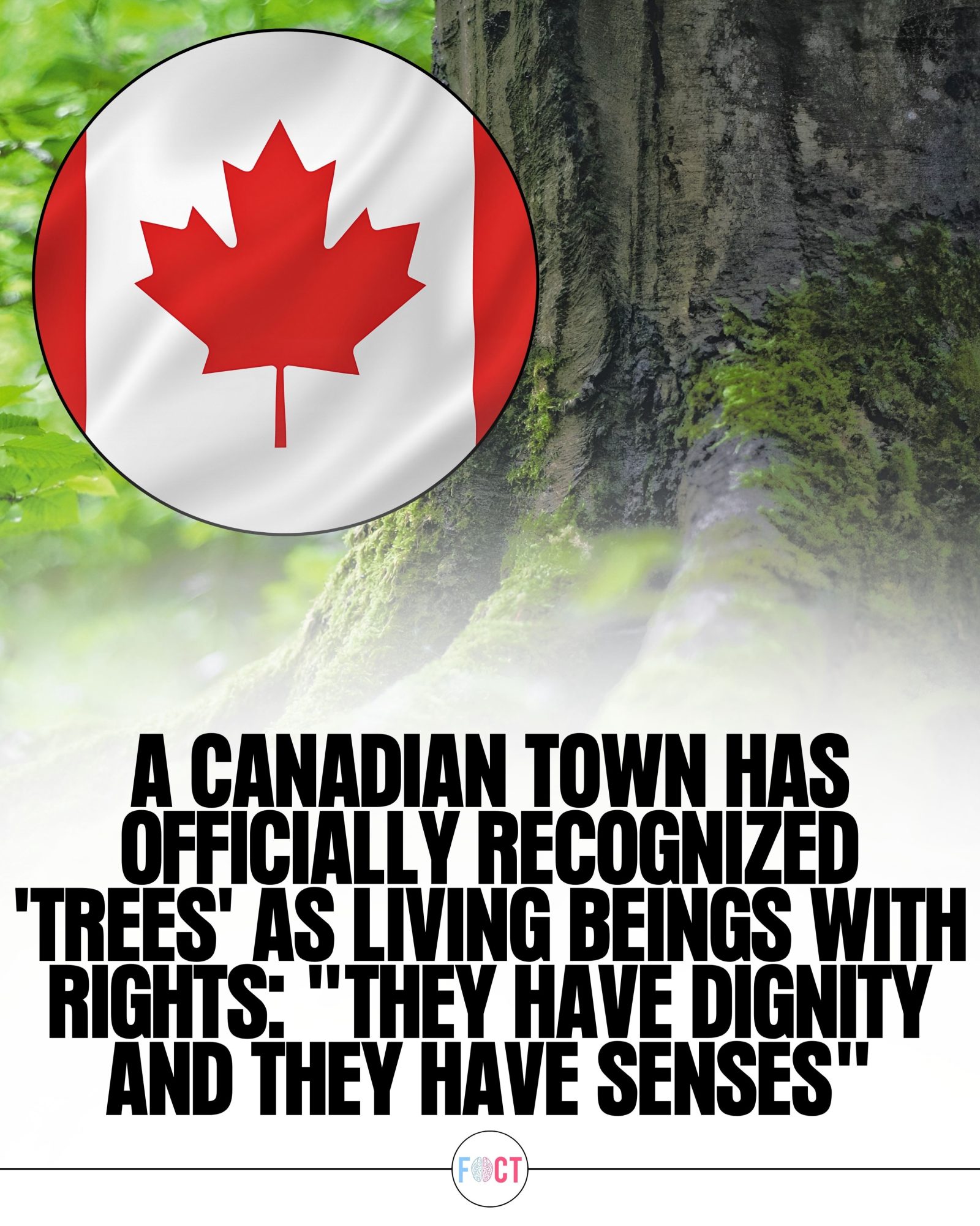
Canadian Town Recognizes Trees as Living Beings
Terrasse-Vaudreuil, a town in Quebec, Canada, has taken a pioneering step by officially recognizing trees as living beings with inherent legal rights. This groundbreaking move grants trees protections for life, growth, and regeneration, marking a significant shift in how modern society views and interacts with nature.
Context / Why this Matters
The decision by Terrasse-Vaudreuil is more than symbolic; it is a legal acknowledgment that trees possess intrinsic value and deserve protection for their essential roles in the ecosystem. This recognition stems from the town's signing of the Universal Declaration of the Rights of the Tree, a document inspired by extensive documentary work on environmental issues. By adopting this declaration, the town aims to legally shift societal perspectives on nature, emphasizing the need for conservation and respect for all living organisms.
Main Discussion
The Science Behind Tree Recognition
Biologically, trees exhibit behaviors and responses that align with the concept of "senses" and "dignity" as acknowledged in the declaration. Trees actively perceive and interact with their environment, even without human-like consciousness. They communicate warnings to other trees about potential threats, such as pest infestations, through chemical signals. These signals can travel through the air or underground fungal networks, allowing trees to share resources and support each other in times of need. Trees also employ chemical defenses in response to environmental stressors, showing their ability to actively respond to their surroundings.
The Universal Declaration of the Rights of the Tree
The Universal Declaration of the Rights of the Tree is a foundational document that outlines the inherent rights of trees. It serves as a guiding framework for municipalities and communities looking to integrate tree rights into their legal systems. By signing this declaration, Terrasse-Vaudreuil has committed to protecting trees in a way that supports their natural processes, ensuring that they can thrive and continue to provide immense ecological benefits.
Implications for Urban Planning
Recognizing trees as living beings with legal rights has significant implications for urban planning and environmental management. It encourages a more holistic approach to urban development, where green spaces are not just decorative but essential components of the urban ecosystem. Municipalities can integrate tree protection into their zoning laws, ensuring that new developments do not compromise the health and longevity of existing trees. This shift could lead to the creation of more sustainable and resilient urban environments.
Inspiring Global Change
Terrasse-Vaudreuil's initiative serves as a model for other municipalities around the world. By taking this bold step, the town has set a precedent that could inspire similar actions in other communities. The recognition of tree rights is part of a broader movement to acknowledge the intrinsic value of nature and to foster a deeper respect for all living beings. This movement is gaining traction, with various environmental groups and activists advocating for similar legal protections for other natural entities, such as rivers and mountains.
Practical Tips
If you're interested in advocating for tree rights in your community, consider the following steps:
-
Educate Yourself and Others: Learn about the Universal Declaration of the Rights of the Tree and share this information with your community. The more people understand the importance of recognizing tree rights, the stronger your advocacy will be.
-
Organize Community Meetings: Gather local residents, environmental groups, and municipal officials to discuss the benefits of recognizing tree rights. Share success stories from Terrasse-Vaudreuil and other forward-thinking communities.
-
Engage with Local Government: Reach out to your local representatives and propose the adoption of tree rights legislation. Provide them with the necessary information and support to make a compelling case for change.
-
Promote Tree-Friendly Policies: Advocate for urban planning policies that prioritize the preservation and growth of trees. This can include planting more trees, protecting existing ones, and creating green spaces that support biodiversity.
-
Support Environmental Organizations: Join or support groups that advocate for environmental rights and sustainability. These organizations often have the resources and expertise to help communities implement tree rights legislation.
-
Monitor and Advocate: Once your community has adopted tree rights, continue to monitor their implementation and advocate for further improvements. Trees require ongoing care and protection, and your vigilance can ensure their well-being.
Important Takeaways
- Trees possess intrinsic value and deserve legal protection for their essential roles in the ecosystem.
- Recognizing tree rights can lead to more sustainable and resilient urban environments.
- Terrasse-Vaudreuil's initiative serves as a model for other communities looking to adopt similar protections.
- Advocating for tree rights involves educating the community, engaging with local government, and promoting tree-friendly policies.
- Support from environmental organizations can be instrumental in implementing tree rights legislation.
Conclusion
Terrasse-Vaudreuil’s groundbreaking decision to recognize trees as living beings with legal rights sets a new standard for environmental stewardship. By acknowledging the intrinsic value of trees and their essential roles in the ecosystem, the town has taken a significant step toward a more sustainable future. This initiative serves as a call to action for other municipalities to adopt similar protections, fostering a deeper respect for nature and ensuring the well-being of all living organisms. Whether you're a resident of Terrasse-Vaudreuil or a passionate advocate for environmental rights, this movement offers a blueprint for creating more sustainable and resilient communities.
Watch the Reel
Questions readers ask
What specific rights do trees have in Terrasse-Vaudreuil?
In Terrasse-Vaudreuil, trees have been granted legal rights for life, growth, and regeneration. This means that the town is committed to protecting trees from harm and ensuring their continued growth and reproduction.
Why did Terrasse-Vaudreuil decide to recognize trees as living beings?
The town's decision was inspired by the Universal Declaration of the Rights of the Tree, which Terrasse-Vaudreuil adopted. This document emphasizes the intrinsic value of trees and their essential roles in the ecosystem, leading to the legal recognition of their rights.
Is Terrasse-Vaudreuil the first in Canada to grant trees legal rights?
Yes, Terrasse-Vaudreuil is the first municipality in Canada to legally recognize trees as living beings with inherent rights. This bold move sets a precedent for other communities to follow in valuing and protecting their natural environments.
What is the Universal Declaration of the Rights of the Tree?
The Universal Declaration of the Rights of the Tree is a document that outlines the fundamental rights of trees, including their right to life, growth, and regeneration. It was inspired by extensive work on environmental issues and has been adopted by Terrasse-Vaudreuil to guide their approach to nature.
How does this recognition affect the town's interaction with nature?
By recognizing trees as living beings with legal rights, Terrasse-Vaudreuil is fostering a new approach to interacting with nature. This shift prioritizes the protection and preservation of trees, encouraging the community to appreciate and safeguard their natural surroundings more actively.
Can other Canadian towns adopt similar measures?
Yes, other Canadian towns can adopt similar measures by signing the Universal Declaration of the Rights of the Tree. This would involve legally recognizing the rights of trees and committing to their protection, growth, and regeneration, much like Terrasse-Vaudreuil has done.
What are the implications of recognizing trees as living beings?
Recognizing trees as living beings implies a significant change in how we perceive and interact with the environment. It emphasizes the intrinsic worth of trees and promotes a more respectful and protective approach to nature, encouraging communities to actively support the health and sustainability of their tree populations.
Related deep dives
Similar reads based on topic and creator.
Recent articles
Fresh deep dives from the latest Reels we unpacked.




Comments
Be the first to comment.