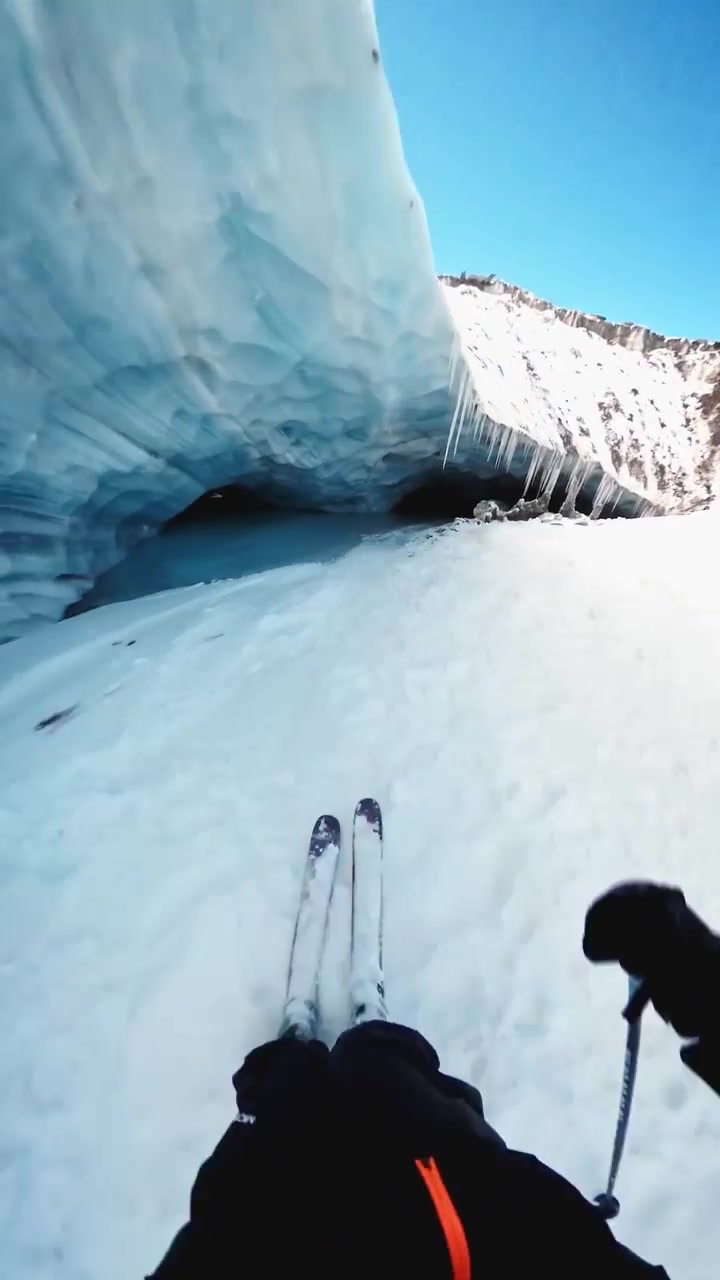
Ice cave skiing is an extreme sport where skiers navigate their way through glacier tunnels. This daring activity within the Swiss Alps requires expert skill and careful planning. Skiers must traverse icy slopes, narrow tunnels, and steep inclines as they travel from the depths of a cave to a snowy mountain slope.
The Thrill of Skiing in a Glacial Tunnel
Ice cave skiing involves skiing through ice tunnels, known as glacier caves, which are formed as water melts and freezes inside glaciers. These tunnels can take a variety of forms, from wide and high to narrow and low, creating a unique path. Skis, particularly worn skis, are the essential tools, designed to handle the unique and varied surfaces found on glaciers, from smooth ice to jagged rock. The Swiss Alps provide a prime location for ice cave skiing, with powder-covered glaciers, tall peaks with near-vertical drops, and low-altitude mountains. The unique challenge of navigating icy tunnels and glacial slopes attracts thrill-seekers from around the world. Ice cave skiing stands out from other extreme sports because of the ever-changing and unpredictable terrain, making it both a technical challenge and a visual feast for the senses.
Conservation in Winter Sports
Ice caves are sensitive environments that are susceptible to climate change. Each skier must take great care to avoid any damage, such as unwanted melting of ice. The increased popularity of ice cave skiing could cause environmental stress. To mitigate risks, some regions enforce strict rules for accessing ice caves. This ensures that the fragile environments are protected while giving thrill-seekers their rush.
The Path to the Light
How the cave is formed
Ice caves come in all shapes and sizes and are formed through a process called "ablation." The ice caves form when water from the surface of a glacier makes its way down into the ice. This water can then freeze, creating a tunnel, through which even more water may pass, carving it deeper. This results in a variety of different cave sizes and shapes, depending on the glacier.
Skiing a glacial tunnel
Skiing in an ice cave, under the right conditions, remains a challenge for the most seasoned skiers. Skiers must prepare for low lighting, icy floors, and unpredictable obstacles. With the glacier cave entrance often located only at the bottom of a steep slope, the descent begins with a breathtaking drop. Once inside, skiers must maintain a pace that allows for constant vigilance, careful navigation, and the sheer ability to ski in freezing temperatures and grasp for balance.
Expert tactics and strategy
The skiing within the cave itself is actually the easier part. The real challenge is the initial and final sections of the journey, which require the most skill and risk. This includes the first steep drop into the cave itself, where the skier must maintain their speed and balance. Then, there is also the transition from skis to a climbing device as they return into the Alpine snows.
Emerging into the light
The exit out of the ice cave is equally as challenging, requiring skill and caution in mastering the first few meters. The skier must traverse the icy tunnel and then make a final run back into the sunlight.
The Making of an Ice Cave
For the most part, ice caves are naturally occurring, created as water flows through a glacier and forms tunnels. The cave walls, meanwhile, are what the skiers negotiate, which can be jagged and uneven, smooth or jagged.
How to Prepare for a Skiing Adventure
Ice cave skiing requires preparation and expertise.
- Choose a ski location: Start by choosing a location that offers well-maintained ice caves in the Alps, where the unique conditions make ice caves more accessible. Working skis even if they have been sharpened or worn down is sufficient for this job.
- Find a guide if necessary: Sometimes guides are available to take you on the ride, and a vetted guide is always a good idea to stay safe. For this sport, it’s important to have the right equipment and gear. At the very minimum, a good pair of skis is required, while other gear that might be a good idea to have includes helmets, goggles, and ice axes. A good guide also helps. A final reminder: skiers should respect their surroundings and tread cautiously, so the cave remains for future skiers.
Best Ice Caves to Ski in Europe
Some of the very best locations in Europe for ice cave skiing include the Chamonix ice cave and the Blue Cave in the Arctic Circle. The Chamonix ice cave, a relatively easy ice cave, is more forgiving in terms of its obstacles and terrain. The Blue Cave, meanwhile, is even more challenging, but it offers more breathtaking views of the Arctic Circle.
Watch the Reel
Questions readers ask
What exactly is ice cave skiing and how does it differ from regular skiing?
Ice cave skiing involves navigating through glacier tunnels, which are formed by melting and freezing water within glaciers. Unlike regular skiing, which typically involves open slopes and trails, ice cave skiing takes place in narrow, often dark, and unpredictable environments. This requires skiers to be adaptable and skilled in handling varied surfaces, from smooth ice to jagged rock.
How are glacier caves formed in the Swiss Alps, and what makes them suitable for skiing?
Glacier caves in the Swiss Alps are formed through a process called ablation, where water from the glacier's surface melts and freezes, creating tunnels. These caves vary in size and shape, making them both challenging and exciting for skiers. The Swiss Alps provide a prime location due to their powder-covered glaciers, tall peaks, and near-vertical drops, offering a unique skiing experience.
What kind of equipment do you need for ice cave skiing, and why are worn skis preferred?
For ice cave skiing, skiers typically use worn skis, which are designed to handle the varied and often rough surfaces found in glacier caves. These surfaces can range from smooth ice to jagged rock, so skis that are already worn can provide better grip and control. Additionally, skiers may need other specialized gear like helmets, crampons, and climbing devices for the steep drops and transitions.
How does ice cave skiing impact the environment, and what measures are in place to protect these sensitive areas?
Ice cave skiing can pose a risk to the environment due to the potential for unwanted melting of ice and other forms of damage. To mitigate these risks, some regions enforce strict rules for accessing ice caves. These measures ensure that the fragile environments are protected while still allowing thrill-seekers to enjoy the sport. Skier must take great care to avoid any damage to the environment.
What are the biggest challenges faced by skiers during an ice cave skiing adventure, and how do they overcome them?
The biggest challenges in ice cave skiing include navigating the initial steep drop into the cave, maintaining balance and control in low lighting and icy conditions, and transitioning from skis to climbing devices upon exiting the cave. Skiers must be highly skilled and prepared for the ever-changing terrain and unpredictable obstacles, using a combination of technique, equipment, and strategy to navigate the cave safely.
Related deep dives
Similar reads based on topic and creator.



Recent articles
Fresh deep dives from the latest Reels we unpacked.



Comments
Be the first to comment.