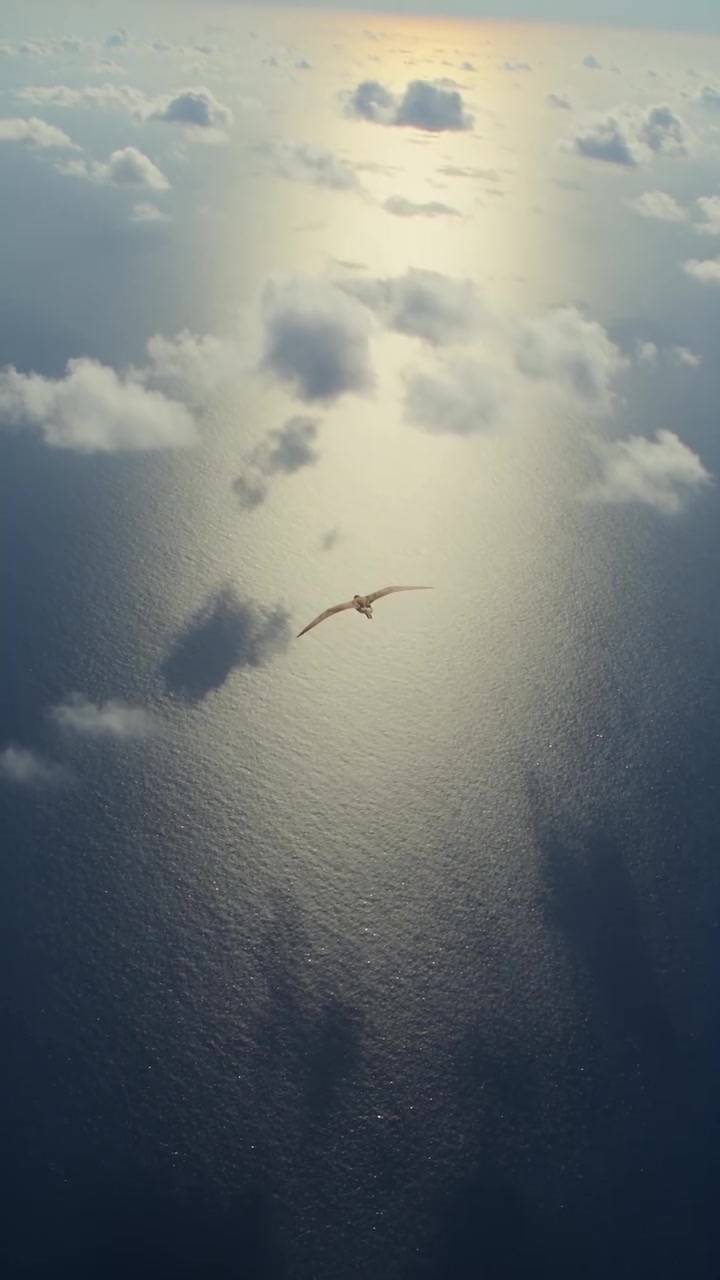
Three of the smallest epic journeys on the globe — a bird, a frog, and a butterfly. At first glance, these diminutive creatures, each only as big as a human hand, are not what you'd expect when someone says "the bravest travelers." Yet they make some of the world’s most astonishing trips. The bar-tailed godwit flies for eleven days without resting. The wood frog freezes and thaws with the seasons. And the monarch butterfly tracks sights it's never seen, guided by the clocks in its antennae.
The smallest globetrotters
Journeys undertaken by the bar-tailed godwit, wood frog, and monarch butterfly are as epic as they are tiny. One only flies for days, while another freezes solid and thaws out each year. Another makes a grand, four-thousand-kilometer journey to a distant forest. The godwit, a compact bird with a long, upturned bill and legs adapted for navigating mudflats, migrates over the Pacific Ocean, showcasing endurance as it can stay in flight for days. The wood frogs in colder climates have the unique ability to freeze solid during winter, their hearts stopping, and then their cells revive in the spring. Monarch butterflies, on the other hand, embark on a migration from North America to Mexico, navigating toward a fir forest they have never seen, guided by internal clocks. Each creature demonstrates extraordinary resilience and navigational prowess, making their journeys a testament to nature's extraordinary feats. The wisdom of these tiny adventurers stands out against a backdrop of encroaching threats. Human activities are causing great changes to the environments these travellers rely on. Climate change, pollution, and habitat destruction challenge their survival, particularly during the demanding journeys.
Tiny travellers, vast challenges
The journeys of these three adventurers have been occurring for thousands of years, yet environmental hazards increasingly threaten them. There are many ways climate change impacts their habitats and journey paths. Warming oceans are altering how birds identify with mudflats for finding food, while melting permafrost in the Arctic and increasing heatwaves can disrupt the natural cycles of wood frogs. For monarch butterflies, weather patterns and loss of milkweed plants—crucial for their survival— pose threats as forests transform.
Against the relentless ocean
Godwits undertake a journey across the vast Pacific, flying for eleven days without ever landing. The godwits' journey has a unique endurance. There are many reasons why sustained flight is a remarkable challenge, the Pacific Ocean being one of the largest and most unforgiving bodies of water on the planet. Few landmasses can provide rest stops, making the trip a testament to the birds' incredible stamina. A view of the shark-grey ocean reveals a small, brown bird flying through the massive expanse of the Pacific. The bar-tailed godwit, on a multi-day journey. This bird spends a mind-boggling eleven days without ever landing to rest, eat, or drink. Over the miles, every muscle in its body works to navigate the ocean, achieving the longest non-stop migration for any land bird.
The wood frog’s frozen dance
The wood frog's journey is different, but no less remarkable. It is frozen during the cold winter in alpine environments and the northern hemisphere. It comes out of torpor, revived by the steady sun in spring. The wood frog’s biological adaptations have evolved, providing the ability to withstand the winter freezing, with internal ice spreading through tissues. The heart stops, blood circulation ceases, and the creature becomes a statue. It revives once the ice thaws, making it the only animal known to survive the freeze and thaw cycles that come with winter in the Arctic.
Crossing borders and generations
This monarch butterfly's journey is a triumph. Four thousand kilometers from North America, a monarch butterfly makes the arduous journey to Mexico, navigating through unfamiliar skies. The butterfly goes to a specific area, where no map is needed, adding to the journey’s beauty. This is how it is able to locate the ancestral fir forest, having never seen it before. The monarch's wayfinding skills stem from an internal clock within its body, likely in the butterfly’s antennae. The route is driven by instinct and stored information handed down from ancestors. Each butterfly carries a unique set of directions, a kind of biological compass guiding it across continents.
Following the tiny voyagers
Like the journeys themselves, preserving the habitats of these amazing creatures requires dedication. By appreciating and supporting bird and butterfly sanctuaries and restorative measures for wood frog ecosystems, everyone can play a role. Small but powerful steps can make a significant impact, especially if more people understand and champion these creatures. Know the routes: To understand these creatures, we need to learn about their migration routes and habitats. This knowledge can help in crafting conservation plans. Avoid pesticides in gardens: Monarch butterflies depend on milkweed to survive, and using pesticides in gardens can harm them. Avoiding chemicals that contaminate the environment can ensure the safety of these beautiful creatures. Data and stories: Sharing data and stories fosters a sense of connection and responsibility. Grasp how these animals navigate and adopt practices that will minimize threats to their journey. If more people could get to their homes and see how creatures like the monkey, the godwit, and the monarch butterfly thrive. These creatures showcase the greatest resilience and navigational skills. Their journey is a reminder of the interconnectedness of life on our planet.
Watch the Reel
Questions readers ask
What do bar-tailed godwits eat during their 11-day nonstop flight over the Pacific?
Bar-tailed godwits don't eat, drink, or rest during their 11-day flight. They rely on stored fat reserves to fuel their incredible journey. This adaptation allows them to make the long migration without needing to land.
How do bar-tailed godwits navigate such a long distance without stopping?
Bar-tailed godwits use a combination of innate navigation skills and environmental cues. They have a keen sense of direction and can use celestial bodies, the Earth's magnetic field, and even the position of the sun to guide them across the vast Pacific Ocean.
What are the biggest threats to bar-tailed godwits during their migration?
The biggest threats to bar-tailed godwits during their migration include climate change, which alters their food sources, and habitat destruction, which can disrupt their resting and breeding grounds. Pollution and human activities also pose significant risks to their survival.
How do bar-tailed godwits compare to other migratory birds in terms of endurance?
Bar-tailed godwits set the record for the longest nonstop flight by any land bird, flying for 11 days without stopping. This endurance is unparalleled among migratory birds and showcases their remarkable stamina and adaptability.
Can bar-tailed godwits be found in other parts of the world besides the Pacific?
Yes, while the Pacific migration is one of the most well-known, bar-tailed godwits can also be found in other parts of the world, including Europe and Australia. Their migratory patterns vary by region, but they are known for their long-distance flights in many areas.
What specific adaptations do bar-tailed godwits have for their long flights?
Bar-tailed godwits have several adaptations for long flights, including a long, upturned bill and legs adapted for navigating mudflats. They also have the ability to store large amounts of fat, which they use as fuel during their journey. Their compact size and efficient flight mechanics also contribute to their endurance.
How do scientists track the migration of bar-tailed godwits?
Scientists use various methods to track the migration of bar-tailed godwits, including GPS tracking and satellite telemetry. These technologies help researchers understand the birds' routes, behaviors, and the challenges they face during their journeys. This data is crucial for conservation efforts and understanding the impacts of environmental changes on their migration.
Related deep dives
Similar reads based on topic and creator.




Recent articles
Fresh deep dives from the latest Reels we unpacked.
Comments
Be the first to comment.