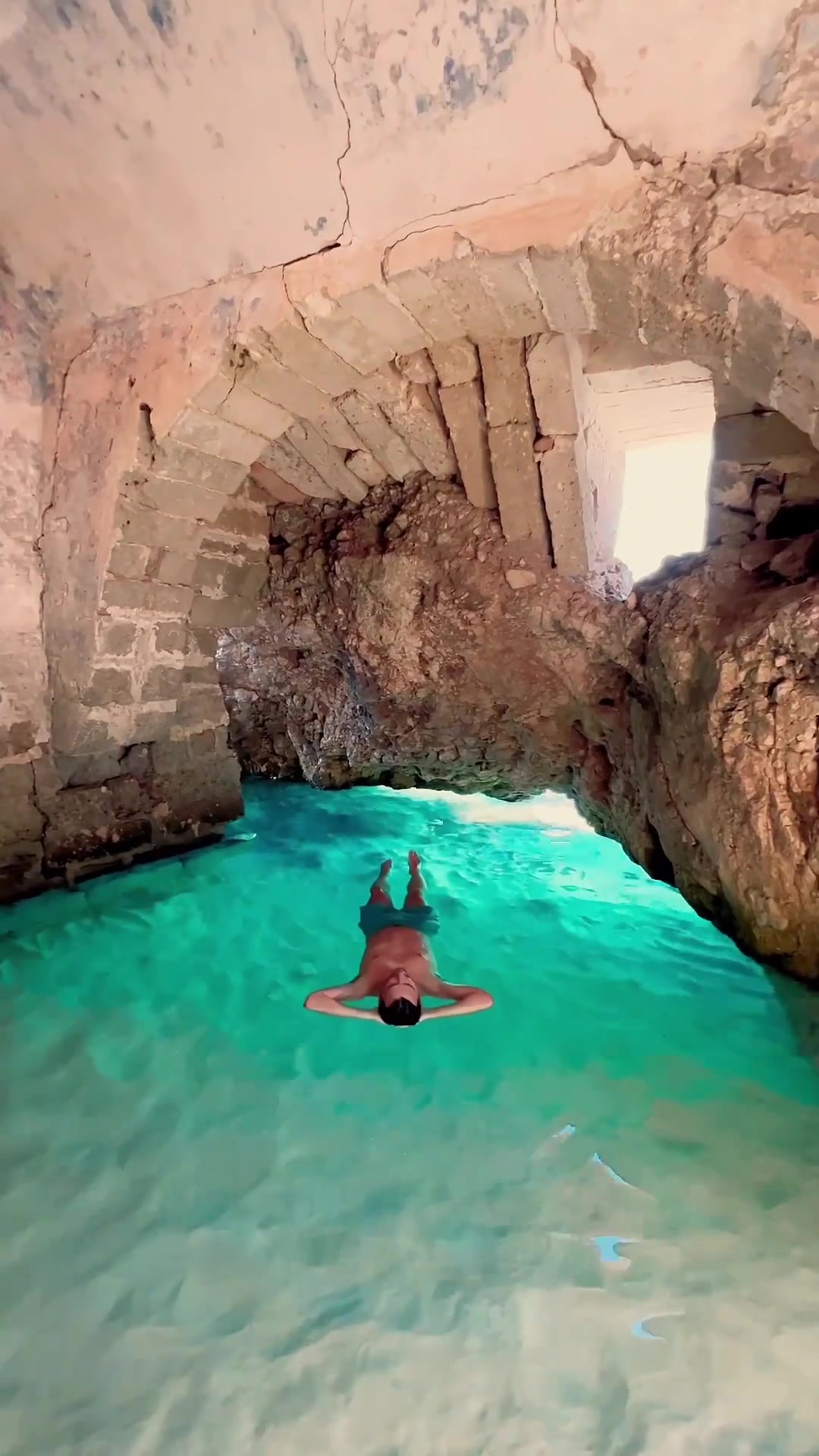
The Hidden Sanctuary
Tucked away in a remote spot, a person swims calmly in a pool of exceptionally clear, turquoise water within a cave. The rocky walls and a small opening to the outside create a dramatic and scenic backdrop. Shimmering blue water — nestled within the roughened, natural walls — elevates the ordinary act of swimming into an extraordinary experience. Despite the rugged surroundings, the water's clarity and the person’s serene floating in the pool pull viewers into the scene in a novel way.
The Allure of Cave Pools
Cave pools are natural swimming holes formed within caves, often via the flow of groundwater or rainwater that has seeped into the earth. These pools are distinctive for their pristine water quality, often fed by underground springs — the reason swimming is inviting for humans and unique to most caves. The water remains exceptionally clear due to filtration through the earth’s layers, and lacks the algae and debris found in surface pools. This sets cave pools apart from typical swimming spots, where environmental elements may alter the water’s quality. Some caves, like those in Slovenia and Croatia, are home to crystal-clear waters that have long been a magnet for both swimmers and tourists. Not every cave pool guarantees such clarity. Some may be murky or have strong currents that make swimming difficult or unsafe. Cave pools have been a part of human fascination for centuries, with many documented cultures giving them religious and healing properties. The atmosphere of a cave can be mysterious, with some even speculated to be inhabited by mythical creatures, according to folklore. Cave pools differ greatly in size and appearance. These variances impact how a person might enjoy these swimming spots. Small pools may be more intimate, while larger ones can be perfect for more vigorous activity.
How Cave Pools Are Formed
Cave pools form when water seeps into the ground and creates underground passages. The water gradually causes erosion, leading to large underground caverns. Over time, these caverns can fill with water, creating pools. The surrounding rock helps filter this water, removing contaminants. A known set of cave pools in Slovenia has remained crystal clear over centuries. The pools found within are well fed by underground springs that keep the water fresh. Cave pools are highly dependent on the specific geological conditions of their locales. So rare are the conditions for clear water and accessible access that scientists have dedicated considerable study to them. The Czech Republic is also known for its cave pools, particularly those in the Moravian Karst region, which boasts world famous pools like the Macocha Abyss.
Cave Pool Hazards
Despite their allure, cave pools can be dangerous for several reasons. The water temperature is frequently different from surface temperatures, often much colder. During warmer seasons, this might not pose much of a problem, but when temperatures drop, hypothermia can be a serious risk. Even in warm weather, the water is still significantly colder than that of a pool or typical beach, requiring proper warm clothing or layers before submersing. The variations in cave pools’ environments can lead to lower oxygen levels, resulting in dizziness, fatigue, and loss of consciousness — a condition known as “cave hypoxia”. Additionally, the rocky and uneven surfaces around cave pools can cause injuries from falls. These risks are heightened in darker, less visible areas of the cave and in caves with water currents that can lead to disorientation. The pool’s depths can also cause issues, regardless of the surrounding terrain. Even seasoned cave divers can misjudge a cave pool's depth, leading to serious injury. Therefore, it is recommended to always research local conditions and hazards when planning to visit or swim in a cave pool.
Why People Dive In
Cave pools offer a unique sense of tranquility and adventure. The seclusion and isolation, away from the masses of beachgoers, attracts some who prefer this unique experience. Cave pools provide an experience almost guaranteed to be the most serene swimming anyone can have. Each pool is distinct, often personalized by its location and the surrounding scenery. Certain caves have distinctive lighting, which can create a blue hue when combined with the water — giving it a mythical quality. Some caves offer silence, others echo a constant rumbling from far-away waters currents as the water flows through the cave. The uniqueness of the water’s color, smell, and sound draws in both swimmers and tourists. While swimming in a cave pool might seem like a far-fetched idea, the allure of these spots is evident in the social media attention they attract. The popularity of swimming in cave pools stems from visual appeal of the pools and the surrounding caves. The allure of a romanticized and mystical swimming hole draws in many swimmers. The current popularity of swimming in a cave pool could be a consequence of the pandemic era’s movement to explore. People have sought out such world-renowned spots like the Blue Lagoon in Iceland for social media-worthy escapes, exploring more remote locations.
The Next Step
To encounter the serene swimming experience of a cave pool, thorough preparation is key. This is not a typical swim. Here are the steps to get started. The information gathered here should be augmented with local sources when available:
- Find These Locations. These are rare and unique locations, and the absolute best ones remain relatively unknown to the public at large. You are unlikely to find them in a typical travel guide. A quick internet search or consultation with a local cave explorer will often be the best bet.
- Stay Warm. Caves, naturally, tend to be cold places. In the Czech Republic, pools like the ones in the Macocha Abyss often lend their cave’s cool water despite the area’s summer temperatures. The water in a cave pool is almost always colder than surface waters. Everyone should layer up and bring a change of clothes.
- Bring a Guide. Though it is not always necessary, venturing with a guide significantly decreases the risk of hazards and is especially advisable for first-timers. The cave’s details and local knowledge are essential to staying safe and minimizing the health risks of cave swimming.
Watch the Reel
Questions readers ask
How do cave pools form and what makes their water so clear?
Cave pools form when water seeps into the ground and erodes rock, creating underground caverns that fill with water. The surrounding rock filters this water, removing contaminants and keeping it exceptionally clear. Unlike surface pools, cave pools are often fed by underground springs, which helps maintain their pristine water quality.
What are some of the risks associated with swimming in a cave pool?
The primary risks include cold water temperatures, which can lead to hypothermia, especially in colder seasons. Even in warmer weather, the water is significantly colder than typical swimming spots. Additionally, some cave pools may have strong currents or murky water, making swimming difficult or unsafe.
Are there any well-known cave pools around the world?
Yes, there are several notable cave pools. Slovenia and Croatia are famous for their crystal-clear cave pools, while the Czech Republic, particularly the Moravian Karst region, is known for pools like the Macocha Abyss.
What makes cave pools different from typical swimming spots?
Cave pools are distinctive for their pristine water quality, often fed by underground springs, and their dramatic, scenic backdrops. Unlike typical swimming spots, cave pools lack the algae and debris found in surface pools, making them exceptionally clear and inviting for swimming. The unique atmosphere and geological conditions also set them apart from other swimming locations.
Can anyone swim in a cave pool, or are there specific requirements?
Swimming in a cave pool can be more demanding than swimming in a typical pool or beach. Proper warm clothing or layers are essential to combat the colder water temperatures. Additionally, some cave pools may have strong currents or murky water, so it's important to assess the conditions before swimming. Always check local guidelines and safety recommendations.
Are cave pools always crystal clear?
Not every cave pool guarantees crystal-clear water. Some may be murky or have strong currents that make swimming difficult or unsafe. The clarity of the water depends on the specific geological conditions of the cave, such as the presence of underground springs and the filtration process through the earth’s layers.
What should I do if I come across a cave pool while exploring?
If you encounter a cave pool, it's important to assess the conditions before swimming. Check the water temperature, clarity, and any potential hazards like strong currents. Always prioritize safety and follow any local guidelines or recommendations. If possible, consult with a local expert or guide to ensure a safe and enjoyable experience.
Related deep dives
Similar reads based on topic and creator.

Recent articles
Fresh deep dives from the latest Reels we unpacked.

Comments
Be the first to comment.