Urban Flood Protection
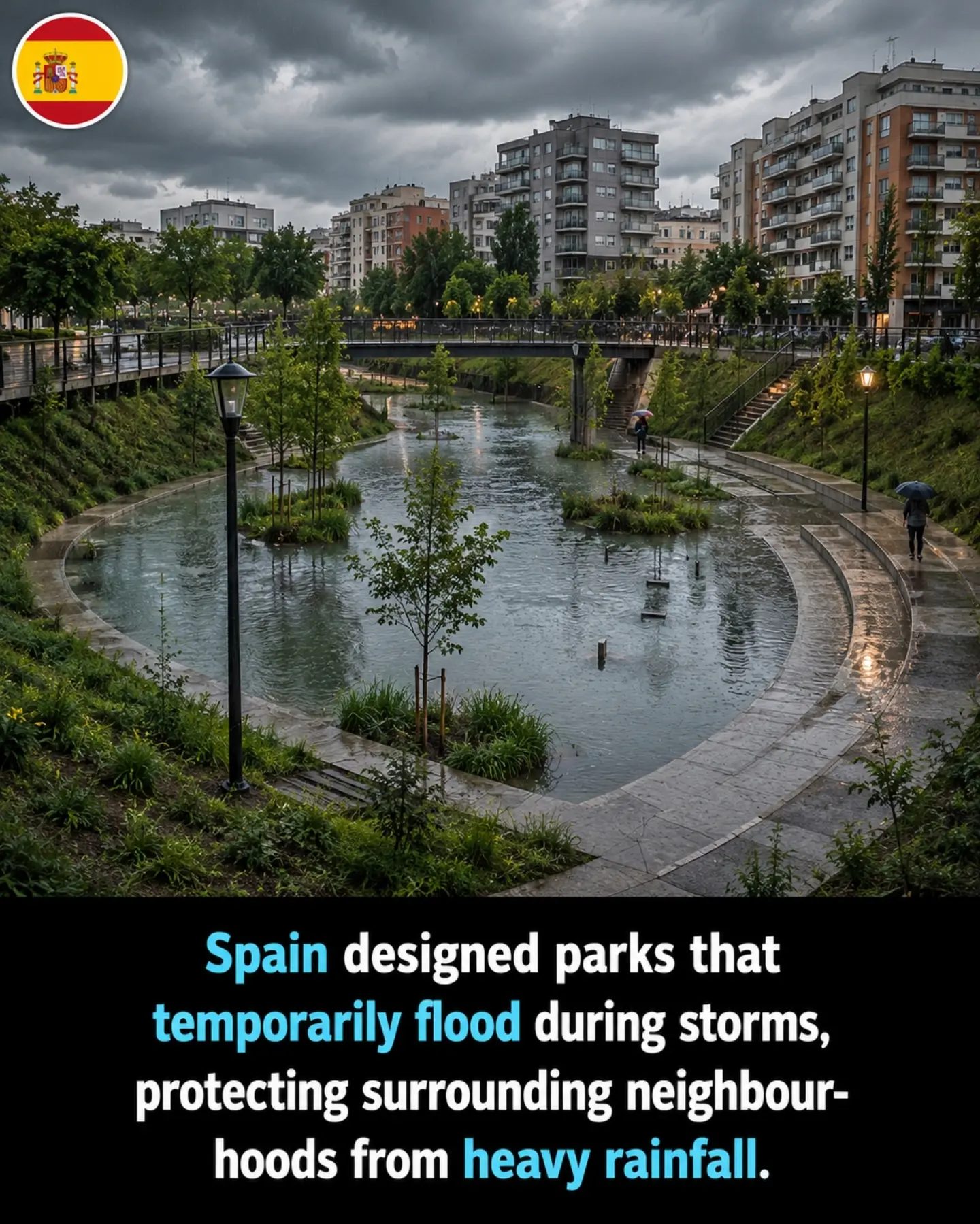
Urban flood protection is a critical aspect of modern city planning, especially in regions prone to heavy rainfall. In Spain, a unique approach to flood management has been implemented: parks designed to temporarily flood during storms. These parks serve a dual purpose—providing recreational spaces and acting as natural flood barriers.
Why This Matters
As urbanization increases, so does the risk of flooding. Traditional flood management systems often involve expensive infrastructure like dams and levees, which can be ineffective and environmentally damaging. In contrast, green infrastructure like floodable parks offer a sustainable and cost-effective solution. By integrating natural water management into urban planning, cities can better protect residents and infrastructure from the impacts of heavy rainfall.
Main Discussion
The Concept of Floodable Parks
Floodable parks are designed with specific features to hold and manage excess water during storms. These features include:
- Elevated Pathways and Walkways: These ensure that visitors can still navigate the park safely during floods.
- Water-absorbing Landscaping: Plants and soil that can absorb and retain water, reducing runoff.
- Drainage Systems: Designs that allow water to drain safely and efficiently back into the ground or nearby bodies of water.
Spain's Innovative Approach
Spain's approach to urban flood protection is particularly noteworthy. Parks in Spain are specifically designed to temporarily flood, providing a buffer zone that absorbs excess water during storms. This design helps manage stormwater runoff, preventing it from overwhelming city drainage systems and causing damage to surrounding neighborhoods.
Case Studies and Examples
Several parks in Spain exemplify this innovative approach. For instance, the Parque del Oso in Madrid features a large open area that can accommodate significant amounts of water during heavy rainfall. The park's design includes a series of drainage channels and retention ponds that slowly release the water back into the environment, reducing the risk of downstream flooding.
Similarly, in Barcelona, the Parc de Diagonal Mar integrates flood management into its design. The park’s terraced landscaping and strategic placement of water bodies ensure that excess water is absorbed and retained, protecting nearby residential and commercial areas from flooding.
Benefits of Floodable Parks
- Enhanced Safety: By temporarily holding excess water, these parks reduce the risk of flooding in surrounding neighborhoods.
- Environmental Sustainability: Green infrastructure like floodable parks promotes biodiversity and improves air quality, contributing to a healthier environment.
- Cost-Effective: Compared to traditional flood management systems, floodable parks are generally more affordable and require less maintenance.
- Community Engagement: These parks provide valuable recreational spaces that enhance the quality of life for residents.
Practical Tips for Creating Floodable Parks
- Land Use Planning: Identify areas within the city that can be designated as floodable zones. Ensure these areas are not critical for other infrastructure.
- Design Considerations: Incorporate features like elevated walkways, water-absorbing landscaping, and efficient drainage systems.
- Community Involvement: Engage local communities in the planning process to ensure the park meets their needs and to gain their support.
- Maintenance and Monitoring: Regularly maintain the park's infrastructure and monitor its performance during storms to make necessary improvements.
Important Takeaways
- Innovation in Urban Planning: Floodable parks represent a creative and effective solution to urban flood management.
- Sustainable Solutions: Green infrastructure like floodable parks offers environmental as well as practical benefits.
- Public Safety: Floodable parks can significantly reduce the risk of flooding in urban areas, protecting both residents and infrastructure.
Conclusion
Floodable parks are a testament to the innovative ways cities can adapt to environmental challenges. By strategically designing parks to temporarily flood, urban planners in Spain have demonstrated a practical and sustainable approach to managing heavy rainfall. As cities around the world grapple with the effects of climate change and increasing urbanization, the concept of floodable parks offers a valuable model for integrating natural water management into urban infrastructure.
Watch the Reel
Questions readers ask
How do floodable parks in Spain work to protect neighborhoods from flooding?
Floodable parks in Spain are designed to absorb and temporarily hold excess rainwater during storms. By doing so they reduce the risk of flooding in nearby areas. These parks utilize natural processes to manage water, helping to mitigate the impact of heavy rainfall on urban infrastructure and nearby residents.
What are the benefits of using green infrastructure for flood management?
Green infrastructure, such as floodable parks, offers several benefits including cost-effectiveness and environmental sustainability. These solutions can also provide additional amenities like recreational spaces for residents.
How do floodable parks compare to traditional flood management systems?
Unlike traditional systems such as dams and levees, floodable parks provide a more sustainable and cost-effective alternative. These parks are also less damaging to the environment and provide additional benefits like recreational spaces for residents.
How are floodable parks designed to handle excess water during storms?
Floodable parks are engineered with specific features to handle excess water, such as slopes and depressions that allow water to accumulate and gradually drain. These design elements ensure that the parks can effectively absorb and release water during storm events.
What are the primary goals of incorporating floodable parks into urban planning?
The primary goals are to protect neighborhoods from flooding and to create recreational spaces. By integrating these parks into urban areas, cities can enhance their resilience to heavy rainfall and provide residents with valuable green spaces.
How do floodable parks contribute to urban sustainability?
Floodable parks promote urban sustainability by managing water naturally, reducing the need for expensive infrastructure, and providing green spaces that enhance the quality of life for residents. These parks also support local ecosystems and contribute to the overall health of the urban environment.
What role do floodable parks play in urban water management?
Floodable parks play a crucial role in urban water management by temporarily storing excess rainwater and allowing it to infiltrate the soil gradually. This process helps to prevent overflows in urban drainage systems and reduces the risk of flooding in residential areas.
Related deep dives
Similar reads based on topic and creator.




Recent articles
Fresh deep dives from the latest Reels we unpacked.




Comments
Be the first to comment.