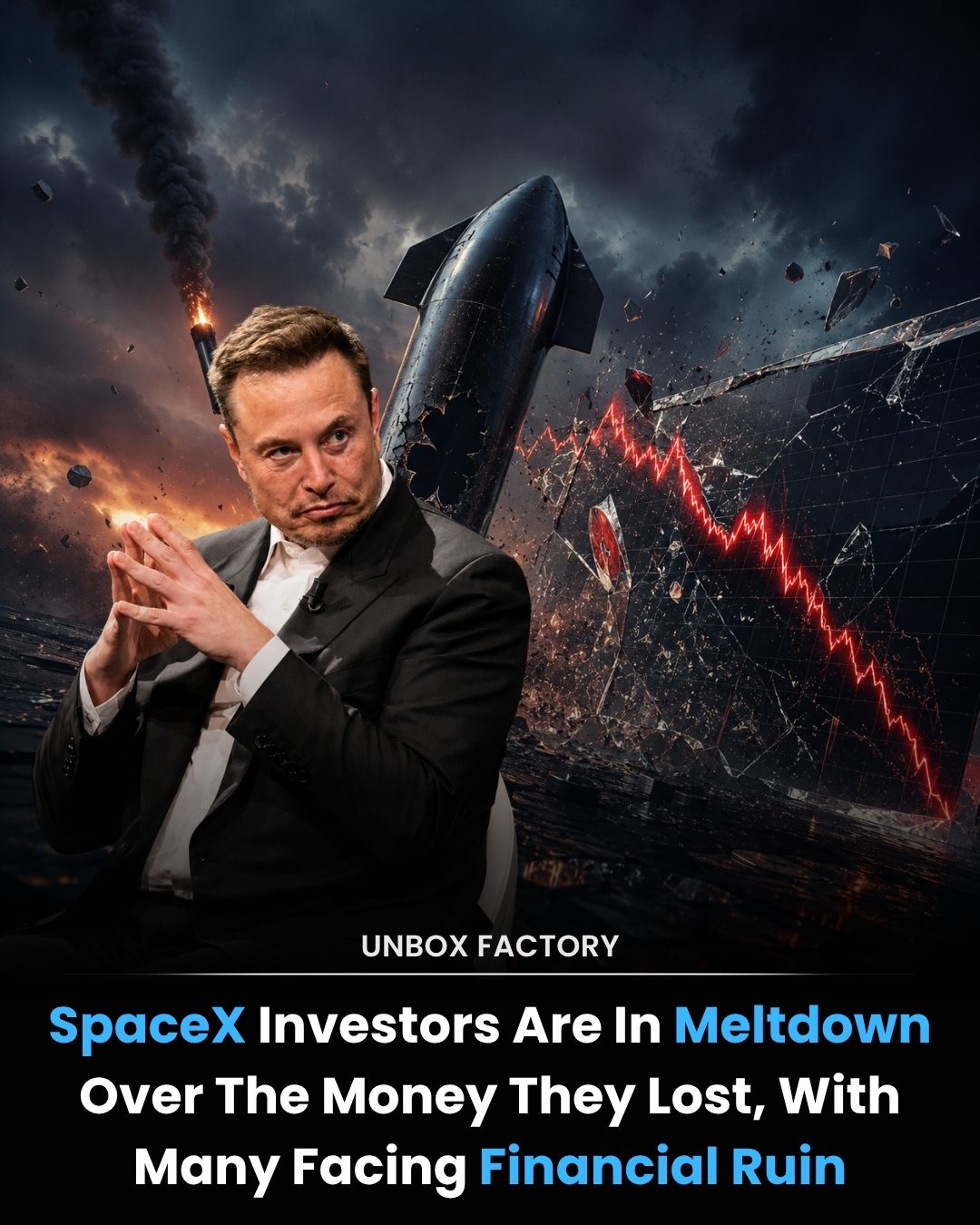
Investor Concerns in the Space Sector Amid Market Volatility
Despite SpaceX's remarkable achievements and valuation, investors in the space sector are facing significant challenges due to recent market volatility. This is particularly evident in the performance of publicly traded companies linked to the space sector, which have experienced sharp declines. These declines have led to substantial paper losses for some investors, fueling widespread concerns across aerospace markets.
Context / Why this matters
SpaceX, a privately held company, has a valuation exceeding $400 billion, making it the world's most valuable private startup. However, the volatility in the public markets affects investments tied to related funds, suppliers, and speculative space stocks. Understanding the dynamics at play is crucial for investors navigating this rapidly evolving landscape.
Main discussion
The Impact of Market Volatility
The recent market volatility has had a profound impact on investors in the space sector. While SpaceX itself continues to thrive, with over 170 Falcon missions completed in 2025 and more than 8,000 Starlink satellites in operation, generating billions in annual revenue, the broader market tells a different story. Publicly traded companies linked to the space sector have seen significant declines, leading to substantial paper losses for investors.
The Role of Private and Public Market Dynamics
Analysts note that the valuations of private companies like SpaceX often move independently of public market performance. This disconnection can create a perplexing environment for investors, as the success and innovation of private companies do not always translate into immediate gains for those invested in related public companies.
The Financial Challenges Faced by Investors
Investors are grappling with the financial implications of these market fluctuations. Many are facing potential financial ruin due to the significant losses incurred. This has led to a sense of chaos and financial distress, particularly among those who have invested heavily in the space sector.
Elon Musk’s Role and Market Perception
Elon Musk, the face of SpaceX, continues to be a central figure in the narrative of the space sector. His leadership and the company's achievements have kept SpaceX in the spotlight. However, the dramatic visuals of market crashes and financial distress juxtaposed with Musk’s image highlight the stark contrast between the company's success and the challenges faced by investors.
Practical tips
Diversifying Investment Portfolios
Given the volatility, it's crucial for investors to diversify their portfolios. By spreading investments across different sectors and asset classes, investors can mitigate the risks associated with market fluctuations in the space sector.
Staying Informed About Market Trends
Keeping up-to-date with the latest developments in the space sector and broader market trends can help investors make informed decisions. Following reliable sources and industry experts can provide valuable insights into potential market movements and investment opportunities.
Understanding the Differences Between Private and Public Markets
Investors need to understand that the performance of private companies like SpaceX does not always align with that of publicly traded companies. Recognizing this disconnection can help investors manage their expectations and plan their financial strategies more effectively.
Important takeaways
The Need for Caution
Investors should exercise caution when investing in the space sector, given the current market conditions. The volatility and potential for significant losses underscore the importance of a well-thought-out investment strategy.
The Role of Innovation
Despite the challenges, the space sector continues to be a hub of innovation. Companies like SpaceX are pushing the boundaries of what's possible, and this innovation can drive long-term growth and investment opportunities.
The Importance of Risk Management
Effective risk management is essential for investors navigating the complexities of the space sector. Diversification, staying informed, and understanding market dynamics can help investors protect their investments and capitalize on emerging opportunities.
Conclusion
The current market volatility in the space sector presents both challenges and opportunities for investors. While SpaceX continues to make strides, the financial distress experienced by many investors highlights the need for cautious and informed investment strategies. By understanding the dynamics at play and implementing practical tips, investors can navigate this complex landscape more effectively. The space sector remains a dynamic and exciting field, and with the right approach, investors can position themselves for future success.
Watch the Reel
Questions readers ask
Why are SpaceX investors facing financial challenges despite the company's success?
SpaceX investors are experiencing financial challenges due to market volatility affecting publicly traded companies in the space sector. While SpaceX itself is privately held and valued highly, related funds, suppliers, and stocks have seen sharp declines, leading to paper losses for investors.
How does market volatility impact SpaceX investor losses?
Market volatility has caused publicly traded space companies to experience significant declines. Because these companies are linked to the space sector and SpaceX, their performance impacts the broader market sentiment and investor confidence, leading to paper losses for those invested in related funds.
Can individual investors buy shares of SpaceX?
SpaceX is a privately held company, so individual investors cannot directly buy shares of SpaceX. However, indirect investment opportunities include purchasing shares in publicly traded companies that are part of the space sector or investing in funds that hold related assets. These investments are affected by the market volatility.
What factors contribute to the financial performance of SpaceX?
SpaceX's financial performance is influenced by its operational successes, such as satellite launches and space missions, as well as its high valuation. However, the market performance of publicly traded companies in the space sector, which are affected by broader market volatility, also indirectly impacts SpaceX's perceived financial health and investor sentiment.
How do investors navigate the space sector amidst market turbulence?
Investors can navigate the space sector amidst market turbulence by closely monitoring the performance of publicly traded space companies, diversifying their portfolios, and staying informed about broader market trends. It’s also important to understand the distinction between SpaceX, a private company, and the publicly traded entities that are more directly impacted by market volatility.
What is the current valuation of SpaceX and how does it affect related investments?
SpaceX is currently valued at over $400 billion, making it the world's most valuable private startup. This valuation reflects confidence in the company, but it indirectly impacts related investments because market volatility affects the financial performance of publicly traded companies in the space sector. Investors in these companies face challenges due to declines in their share prices.
Related deep dives
Similar reads based on topic and creator.


Recent articles
Fresh deep dives from the latest Reels we unpacked.




Comments
Be the first to comment.