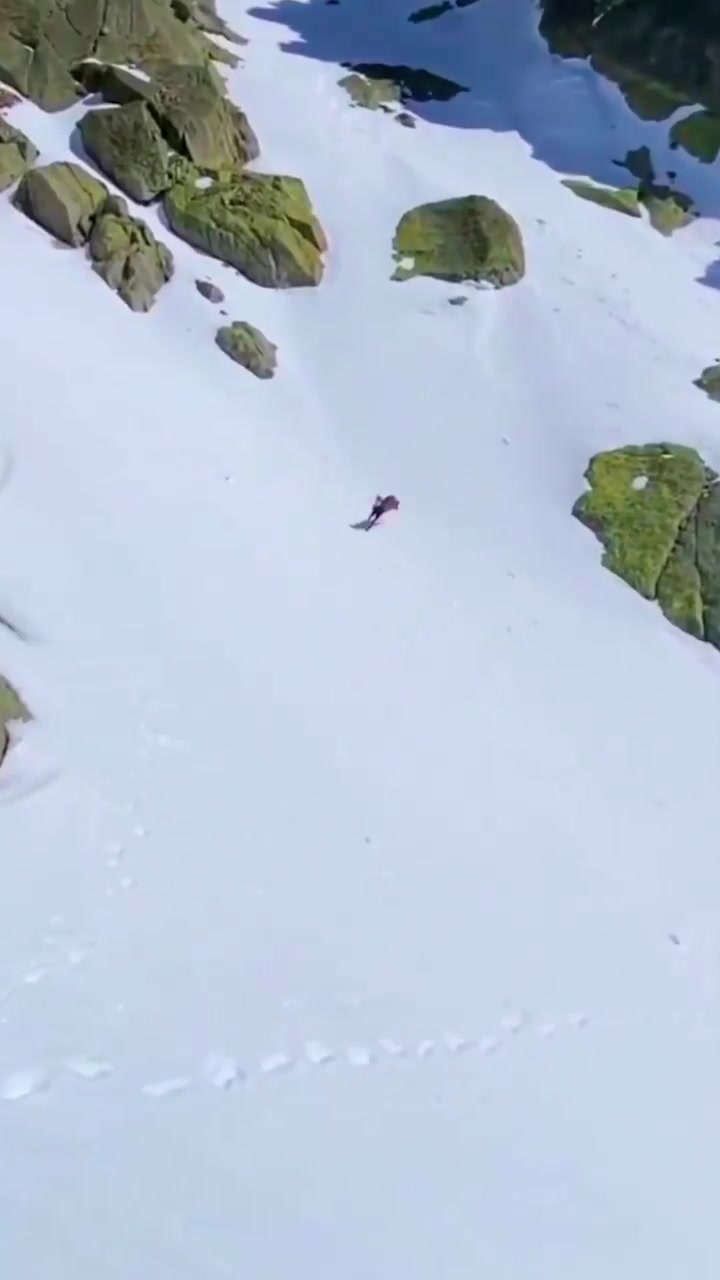
Mountain hiking is a visceral connection with nature, and winter hikes are a particular call to challenge and beauty. Snowy peaks call out to those looking for adventure. The weather is part of the climb. One-armed angel drive describes the steep slopes and icy surfaces. Done right, a snowy hike offers unique rewards and a special challenge — an experience that heightens the sense of accomplishment.
Winter's unique allure
Wilderness exploration attracts those seeking an escape from daily life. Winter hikes are a more demanding and less crowded hiking experience for mindful walkers, adventurers, and outdoor athletes. Those who hike winter trails need gear to stay safe and warm. Yet the paths are more pristine—the snow adds a dimension of peace and solitude. Winter hiking often demands more physical effort. Uneven footing, the cold, and shorter days make every step an exercise in balance. Winter hikers must physically and mentally gear up. One hiker could have completely different priorities to another. The result: deep satisfaction for the experience, not just the destination. A well-prepared winter walker finds the perfect blend of effort and serenity. Many winter hikers consider the cold and the difficulty to be worth the solitude. This is an experience less crowded and debated than summer path.
Navigating the winter mountains
Gear for the steep ascent
Mountain snowshoeing offers peace and solitude
The open snowy winter landscape offers a unique experience. Snowshoes, spiked poles and crampons are standard fare. Spider grips and crampons help with maintaining traction. This prevents falls on the uneven ground. The equipment might also include the safety of a walking stick. Thermal underwear acts as a base layer to keep the body warm in cold conditions. After that, a combination of jackets and trousers provides insulation against the harsh winter. A headgear, i.e., a hat, is also part of the list to prevent a person's head from losing the body heat. It covers the head, which is a sensitive area.
Steep terrain, elevated views
A group of people are navigating steep and rocky terrain with snow-patched ground. They are hiking down a snowy mountainside. This includes large rock formations and a vast expanse of snow-covered rocky formations. Navigating down the mountain requires one-armed angel drive. The terrain is rough and requires a good pair of hiking boots.
How to dress for winter in the mountains
Winter hiking requires dressing in layers. Thermal long-sleeves, tights, and woolen socks are standard base layers. Each additional layer of jacket and pants insulates. A water-resistant jacket is a finishing touch. The one needed for those hiking in snow and slush.
The Best Hikes with Winter Views
Coloradan Rocky Mountain National Park
The hiking trails in this park are a must-visit in the winter. The main paths include the Emerald Lake Trail, Sprague Lake Trail, and the Lumpy Ridge trails. The enameled snow-covered trails and the iconic views from the park are unforgettable.
Mount Rainier National Park
The park is known for its flora and wildlife. It offers a scenic view of snow-covered mountains. The ski slopes and the rock formations make this perfect for a day hike adventure.
Great Smoky Mountains National Park
The park has 400 miles of hiking trails with varying degrees of difficulty. The Agua Fria Trail and the Great Smoky Mountains are popular hiking trails. The snow-free trek makes it a favorite.
How to get involved in winter hiking
- Check local regulations: Always check hike access during your visit. Some trails might be closed for safety reasons.
- Look for local guides: You could also join an expert hiking group. This might be outfitted by a hiking association or club.
- Safety and equipment: Protect yourself by dressing in layers. Bring along safety equipment. Snowy mountain hiking can be quite a job—and a treat. The most important thing is to stay safe on the mountain.
Watch the Reel
Questions readers ask
What exactly is a 'one-armed angel drive' in the context of winter hiking?
A 'one-armed angel drive' refers to the steep, icy paths that hikers encounter during winter mountain hikes. It's the challenging terrain that requires careful navigation and the right gear to ensure safety and traction. This term encapsulates the unique obstacles and rewards of winter hiking, where the snow and ice transform the trails into a demanding but beautiful experience.
Why is winter hiking considered more challenging than summer hiking?
Winter hiking is more challenging due to several factors. The uneven footing, cold temperatures, and shorter days make each step more demanding. Additionally, the need for specialized gear to stay warm and safe adds another layer of complexity. The physical and mental effort required to navigate these conditions is significantly higher, but the reward of a successful winter hike is also deeply satisfying.
What kind of gear is essential for a winter hike?
Essential gear for winter hiking includes items like thermal underwear as a base layer, insulating jackets and trousers, and a water-resistant outer layer. For traction, snowshoes, spiked poles, crampons, and spider grips are crucial. A hat to retain body heat and a walking stick for stability are also important. Proper footwear, such as good hiking boots, is essential for navigating the rough terrain.
How do winter hikers stay safe on icy and steep terrain?
Winter hikers stay safe by using specialized gear like crampons and spider grips to maintain traction on icy surfaces. Additionally, they dress in layers to regulate body temperature and stay warm. Proper footwear and walking sticks help navigate the uneven and steep terrain, reducing the risk of falls. Mental preparedness and physical fitness are also key to managing the challenges of winter hiking.
What are some of the best winter hiking trails in the U.S.?
Some of the best winter hiking trails in the U.S. include the Emerald Lake Trail, Sprague Lake Trail, and the Lumpy Ridge trails in Rocky Mountain National Park, Colorado. These trails offer stunning views of snow-covered landscapes and iconic scenery. Mount Rainier National Park is another excellent destination, known for its scenic views and diverse flora and wildlife.
Can I go winter hiking if I'm not an experienced hiker?
Winter hiking does require a higher level of physical fitness and mental preparedness compared to summer hiking. If you're not an experienced hiker, it's advisable to start with shorter, less demanding trails and gradually build up your skills and endurance. Consider going with a guide or an experienced group to ensure safety and learn the necessary techniques.
Related deep dives
Similar reads based on topic and creator.

Recent articles
Fresh deep dives from the latest Reels we unpacked.




Comments
Be the first to comment.