Urban Climate Solutions in Seoul
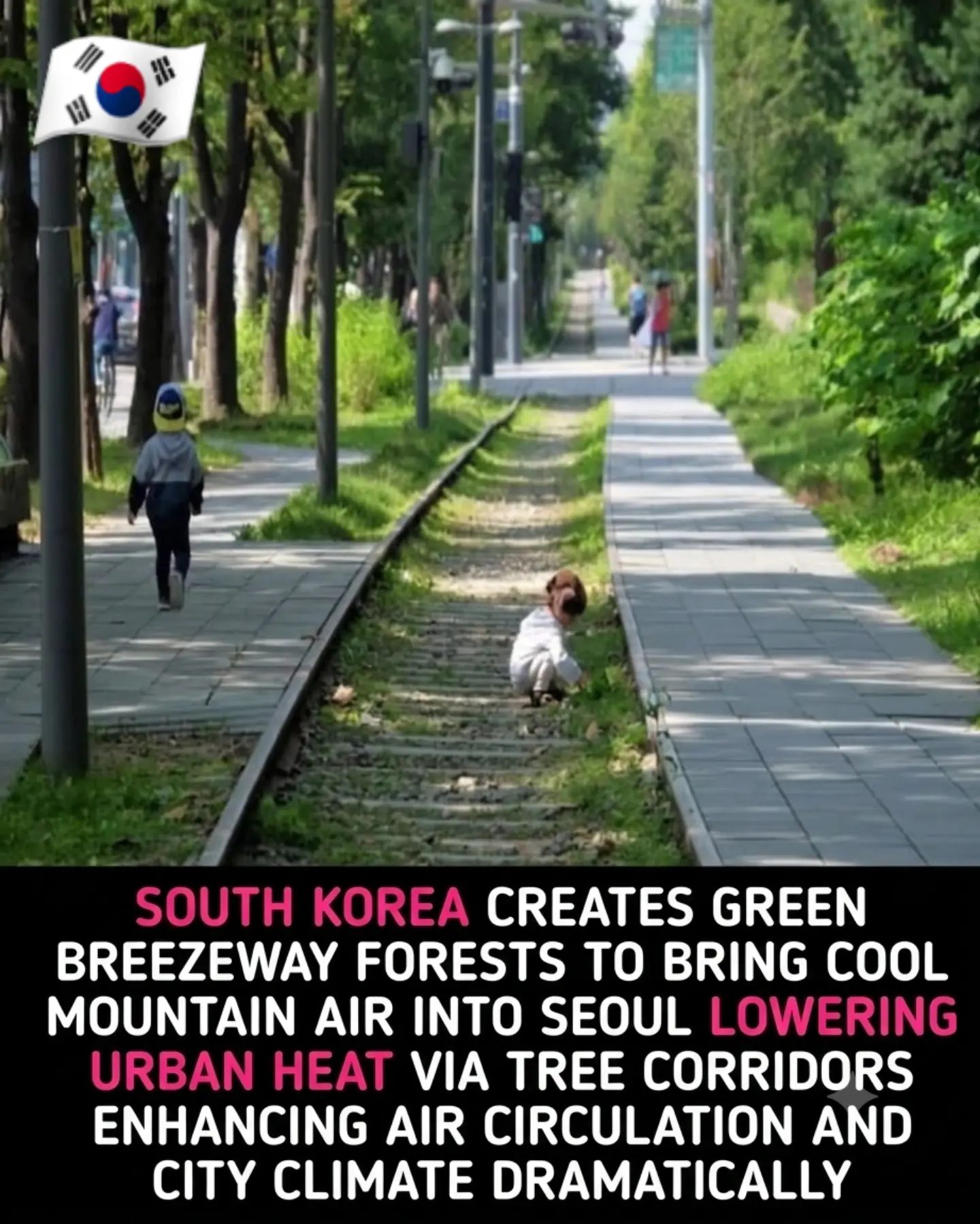
Seoul, South Korea, is taking a proactive approach to combat urban heat through innovative green infrastructure. The city is implementing tree corridors to channel cool mountain air into urban areas, significantly improving air circulation and overall city climate. This initiative not only addresses the rising temperatures in urban environments but also creates more pleasant public spaces for pedestrians.
Why This Matters
As cities grow denser and more populated, urban heat islands become an increasingly significant problem. These heat islands—areas noticeably warmer than their rural surroundings—arise due to the absorption and retention of heat by concrete, asphalt, and other building materials. This phenomenon can lead to higher energy consumption, reduced air quality, and increased health risks. Effective climate solutions are crucial for creating sustainable and livable urban environments.
Main Discussion
The Role of Green Infrastructure
Green infrastructure, such as tree corridors and urban forests, plays a pivotal role in mitigating urban heat. Trees provide natural shade, reducing the amount of heat absorbed by urban surfaces. Additionally, trees release moisture into the air through a process called evapotranspiration, which can lower local temperatures. Using trees and other vegetation strategically throughout Seoul allows the city to channel cool air from mountain ranges, creating a natural cooling system.
How Tree Corridors Work
Tree corridors are linear strips of greenery designed to funnel cool air from natural sources, such as mountains, into the city. These corridors act like natural wind tunnels. By planting trees in a specific arrangement, Seoul can direct breezes from cooler areas, thereby lowering urban temperatures. These corridors also enhance the overall aesthetic of the city, providing residents with shaded, walkable paths and contributing to a more pleasant urban experience.
Enhancing Air Circulation
Another crucial benefit of this initiative is the improvement of air circulation. Urban environments often experience poor air quality due to limited airflow and the trapping of pollutants. By creating open, green corridors, Seoul can promote better air movement, dispersing pollutants and improving overall air quality. This not only benefits the health of residents but also contributes to a more sustainable urban ecosystem.
Practical Tips for Implementing Similar Solutions
Cities around the world can learn from Seoul's approach to urban climate solutions. Here are some practical steps to consider:
Conduct a Comprehensive Urban Heat Assessment
Before implementing any green infrastructure, it's essential to understand the urban heat distribution within the city. This can be done through mapping and data analysis to identify hotspots and areas most in need of cooling solutions.
Engage with the Community
Involving the community in the planning and implementation process can ensure that the green infrastructure meets the needs of residents. Community engagement can also foster a sense of ownership and responsibility, encouraging residents to take care of the new green spaces.
Prioritize Strategic Planting
Strategically planting trees and other vegetation can maximize their cooling effects. This involves considering the direction of prevailing winds and the placement of buildings to ensure that cool air is effectively channeled into the city.
Integrate with Existing Infrastructure
Green corridors and forests should be integrated into existing infrastructure, such as parks, pedestrian paths, and public transportation routes. This can enhance the functionality and accessibility of the green spaces, making them more beneficial and enjoyable for the community.
Important Takeaways
Seoul's initiative to create green breezeways and forests is a practical example of how cities can effectively combat urban heat and improve air quality. By strategically planting trees and enhancing air circulation, Seoul demonstrates the potential of green infrastructure in creating more sustainable and livable urban environments. Similar initiatives can be adapted and implemented in other cities to address the challenges posed by urban heat islands.
Conclusion
Addressing urban heat islands and improving air quality are essential for the well-being of city residents. Seoul's innovative approach to green infrastructure provides valuable insights into how other cities can adopt similar solutions. By leveraging natural resources and strategic planning, urban areas can become cooler, cleaner, and more enjoyable places to live.
Watch the Reel
Questions readers ask
What are tree corridors and how do they help cool Seoul's urban areas?
Tree corridors are linear strips of greenery that connect parks, gardens, and other green spaces. In Seoul, they channel cool air from the surrounding mountains into the city, reducing urban heat island effects and lowering temperatures in densely populated areas.
How do tree corridors improve air quality in Seoul?
By increasing vegetation cover, tree corridors absorb pollutants such as particulate matter, nitrogen dioxide, and ozone. They also release oxygen, contributing to better air quality and a healthier environment for Seoul's residents.
What are the benefits of tree corridors for pedestrians in Seoul?
Tree corridors create more inviting and comfortable walking environments by providing shade, reducing noise pollution, and offering scenic routes. They also encourage physical activity and social interaction, enhancing the quality of life for pedestrians.
How does Seoul's urban greening initiative address the urban heat island effect?
Seoul's urban greening initiative, particularly the implementation of tree corridors, helps mitigate the urban heat island effect by increasing evapotranspiration—the process by which water is transferred from land to the atmosphere. This leads to cooler surface and air temperatures in the city.
What is the role of mountain air in Seoul's green urban planning?
In Seoul's green urban planning, cool mountain air plays a crucial role in regulating the city's temperature. The city's terrain and landscape create natural pathways for this cool air, and tree corridors help channel it into urban areas, enhancing overall city climate and reducing the urban heat island effect.
How do tree corridors contribute to Seoul's green spaces and urban forestry?
Tree corridors connect and expand Seoul's existing green spaces, creating a more cohesive and extensive urban forest. This network of greenery supports biodiversity, promotes ecological balance, and provides numerous environmental and health benefits to city residents.
What is the parkway street cooling effect in Seoul's tree corridors?
Parkway street cooling effect refers to the temperature reduction along streets lined with trees. In Seoul, tree corridors create this effect by providing shade, releasing moisture, and reducing the heat absorbed by surrounding surfaces, making urban streets cooler and more comfortable for pedestrians.
Related deep dives
Similar reads based on topic and creator.
Recent articles
Fresh deep dives from the latest Reels we unpacked.




Comments
Be the first to comment.