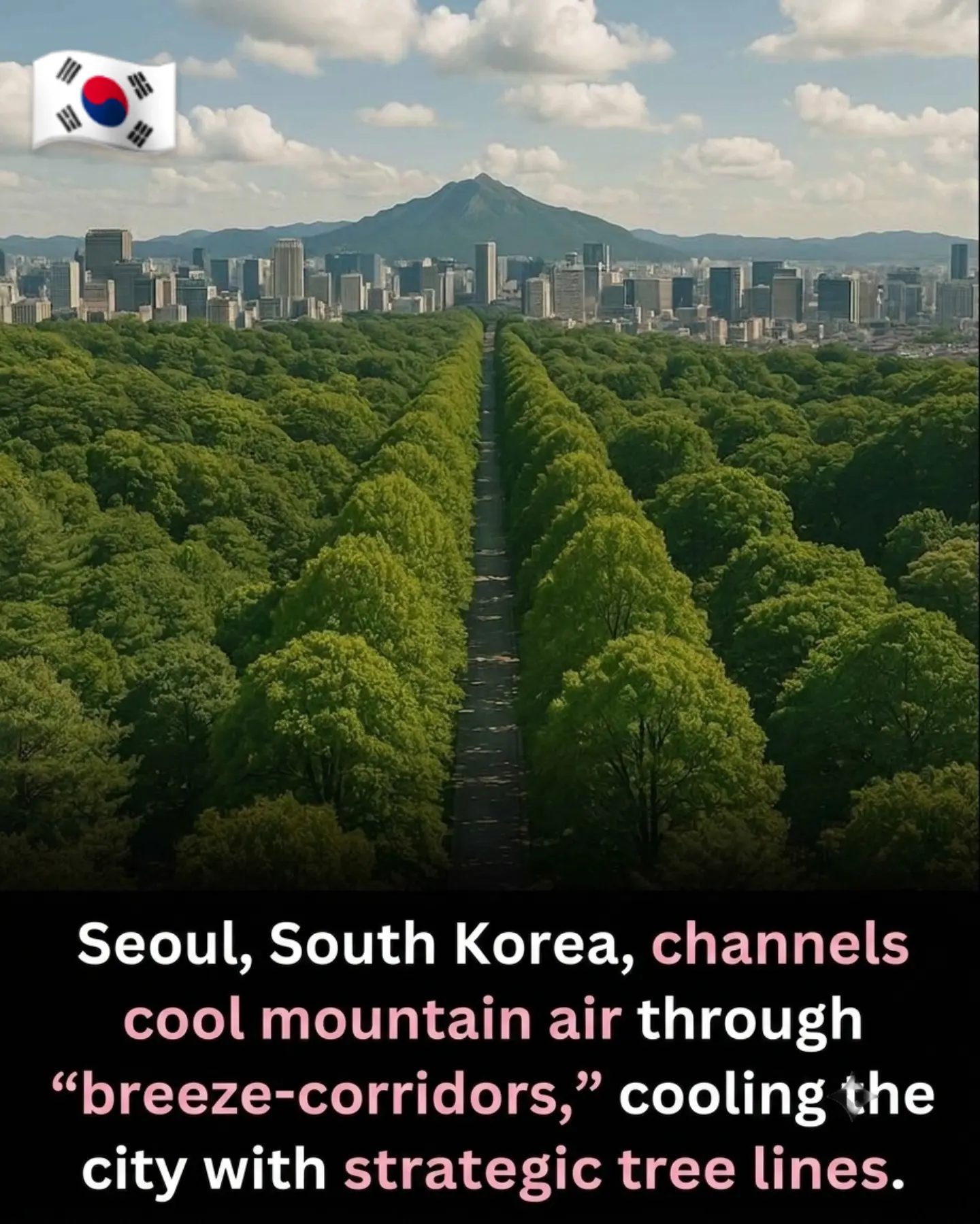
Seoul's Urban Forestry and Breeze-Corridors
Seoul, South Korea, is renowned for its innovative urban planning strategies, particularly its effective use of "breeze-corridors." This city demonstrates an impressive blend of nature and modern architecture, leveraging urban forestry to mitigate the urban heat island effect. Let’s delve into how Seoul’s strategic planting of trees and design features contribute to a cooler, more livable urban environment.
Why This Matters
In densely populated urban areas, the issue of heat islands is a significant problem. These islands occur when built-up areas absorb and retain more heat than their surrounding rural areas, leading to increased temperatures and discomfort. Seoul’s approach to tackling this issue through urban forestry is not just a solution but a model for sustainable city planning.
The Unique Design of Breeze-Corridors
What Are Breeze-Corridors?
Breeze-corridors, also known as "wind-path forests," are strategic alignments of trees and green spaces designed to channel cool air from nearby mountains directly into urban neighborhoods. These corridors act as natural air conditioners, leveraging the breeze from cooler mountain regions to refresh the city's atmosphere.
How Do They Work?
The concept is straightforward but highly effective. By planting trees in long, straight lines, these corridors create pathways for cool mountain air to flow through the city. This design not only helps in cooling the urban environment but also enhances the city’s aesthetic appeal by integrating greenery into its urban landscape.
The Impact of Breeze-Corridors
Lowering Temperatures
One of the primary benefits of breeze-corridors is their ability to lower urban temperatures. By allowing cool air from the mountains to circulate through the city, they significantly reduce the urban heat island effect. This cooling effect is most pronounced during the summer months, making the city more comfortable for residents and visitors alike.
Boosting Airflow
Beyond cooling, breeze-corridors improve air quality by increasing airflow. Fresh mountain breeze is channeled directly through the city streets, which helps in dispersing pollutants and improving the overall air quality in urban areas.
Greener Cities
Seoul's use of breeze-corridors exemplifies how urban design can create greener, healthier cities. By integrating nature into the urban landscape, these corridors not only enhance the city’s beauty but also provide numerous environmental benefits, including carbon sequestration and habitat creation for local wildlife.
Practical Tips for Implementing Breeze-Corridors
For cities looking to implement similar strategies, here are some practical tips:
Strategic Planning
Start by identifying cooler air sources, such as mountains or bodies of water, and plan tree-lined pathways that direct this cool air into urban areas. This requires a detailed understanding of local weather patterns and topography.
Plant Selection
Choose tree species that are hardy, fast-growing, and suitable for urban environments. Trees with dense canopies that can effectively channel air are ideal for breeze-corridors.
Community Engagement
Engage local communities in the planning and planting process. Community involvement can enhance the sustainability of these initiatives by fostering a sense of ownership and responsibility.
Monitoring and Maintenance
Regular monitoring and maintenance are crucial for the long-term success of breeze-corridors. This includes pruning, pest control, and replacing trees as needed to ensure the corridors remain effective.
Important Takeaways
Seoul’s breeze-corridors stand out as a testament to innovative urban planning. They offer a practical, eco-friendly solution to urban heat island effects by integrating nature into the cityscape. This approach not only improves the urban environment but also sets a benchmark for sustainable city planning worldwide.
Conclusion
Seoul's urban forestry, exemplified by its breeze-corridors, showcases a forward-thinking approach to urban planning. By strategically planting trees and leveraging natural air currents, the city has found an effective way to combat urban heat islands and improve the quality of life for its residents. This model offers a blueprint for other cities looking to integrate nature into their urban landscapes, creating greener, cooler, and more livable environments.
Watch the Reel
Questions readers ask
What exactly are Seoul's breeze-corridors, and how do they function?
Seoul's breeze-corridors are strategically designed green spaces that channel cool air from mountainous regions into the city. These corridors are formed by planting trees and incorporating green infrastructure, which not only provides shade but also helps to lower temperatures in urban areas by creating pathways for breezes to travel.
How does urban forestry in Seoul help mitigate urban heating?
Urban forestry in Seoul plays a crucial role in heat mitigation by increasing the city's green cover. Trees in these urban forests provide shade, release moisture into the atmosphere through evapotranspiration, and absorb heat, all of which contribute to lowering the ambient temperature in urban areas.
What are the key elements of Seoul's successful green infrastructure?
Seoul’s green infrastructure relies on a combination of urban forestry, green roofs, and strategic planting. Connecting green spaces throughout the city forms a network of cool air channels, or breeze-corridors, that facilitate the flow of cool air from surrounding mountains into urban areas. This integration of nature and urban design is central to the city's success in combating the urban heat island effect.
Can other cities adopt Seoul's urban forestry model for cooling?
Yes, Seoul's urban forestry model can be adapted by other cities. The key is to identify local environmental features, such as mountains or rivers, that can act as sources of cool air. By strategically planting trees and creating green corridors, cities can create their own version of breeze-corridors to mitigate urban heating. This approach requires careful planning and consideration of the local climate and geography.
Are there any specific tree species recommended in Seoul's urban forestry plan?
Seoul's urban forestry plan includes a variety of tree species that are well-suited to the local climate and provide effective cooling. While the specific species may vary, the focus is on trees that offer dense canopies for shade, are drought-resistant, and can thrive in urban environments. Consulting with local arborists and urban planners can help cities select the best tree species for their own urban forestry initiatives.
How do green spaces in Seoul contribute to sustainable urban design?
In Seoul, green spaces are integral to sustainable urban design as they enhance the city's livability and resilience. These green spaces reduce urban heating, improve air quality, and provide recreational areas for residents. By integrating green infrastructure into urban planning, Seoul demonstrates a model for how cities can balance urban development with environmental sustainability.
What makes Seoul's urban forestry approach stand out in sustainable city design?
Seoul’s urban forestry approach stands out due to its strategic use of natural elements to address urban challenges. By leveraging breeze-corridors and urban forests to mitigate the urban heat island effect, Seoul shows how natural systems can be integrated into urban design to create a more comfortable and sustainable living environment. This holistic approach benefits both the environment and the city’s residents.
Related deep dives
Similar reads based on topic and creator.
Recent articles
Fresh deep dives from the latest Reels we unpacked.




Comments
Be the first to comment.