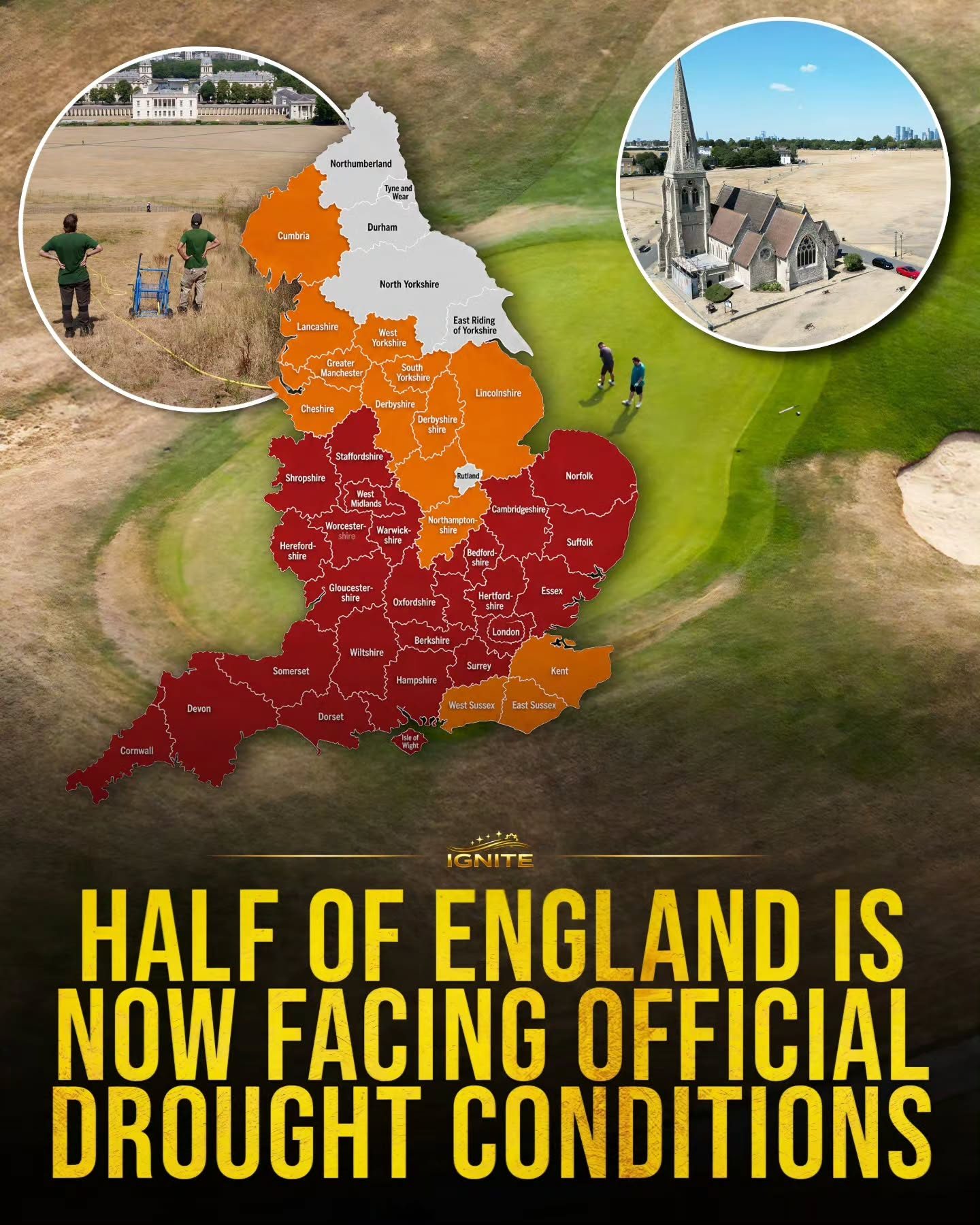
Drought in England: Impacts and Implications
Half of England is currently experiencing official drought conditions, a stark reminder of the country's vulnerability to water scarcity and climatic changes. This situation is not just a matter of statistics but a reality that affects various landscapes, livelihoods, and recreational activities. Understanding the implications of this drought is crucial for personal preparedness, policy considerations, and environmental stewardship.
Context: Why this Matters
England's current drought conditions are a result of prolonged periods of below-average rainfall, coupled with rising temperatures that exacerbate water loss through evaporation. The implications of this drought extend far beyond dry landscapes and include significant impacts on agriculture, wildlife, and human activities. Recognizing these impacts is the first step in addressing the issue and mitigating its effects.
Main Discussion
Drought Conditions and Their Impact
Reservoirs and Water Supply
One of the most visible impacts of the drought is the drying up of reservoirs, which are critical for water supply. Reservoirs are not just bodies of water; they are lifelines for communities, agriculture, and industries. As water levels drop, so does the availability of fresh water, leading to water restrictions and potential shortages. This can affect everything from household use to industrial processes, prompting both short-term and long-term adaptations in water management.
Coastal Erosion
Coastal areas are also feeling the effects of the drought, with increased erosion along cliffs and shorelines. The lack of rain leads to reduced soil moisture, making it easier for wind and waves to erode the coastal landscape. This not only alters the natural beauty of these areas but also poses risks to infrastructure and safety.
Recreational Activities
Drought conditions also impact recreational activities, particularly in areas that rely on water bodies. Cricket fields, which are staple grounds for sports and leisure, are turning into dry, dusty patches. The drought affects the quality of these fields, making maintenance difficult and sometimes rendering them unusable. Beyond cricket, other recreational areas like parks and beaches suffer similar impacts, affecting the enjoyment and economic benefits they provide.
Urban and Rural Disparities
While urban areas face water restrictions and rationing, rural communities often rely on local water sources that may be more severely affected. This disparity can lead to greater challenges in rural areas, where access to alternative water supplies may be limited. Understanding these differences is essential for creating equitable solutions that address the needs of both urban and rural populations.
Practical Tips
Water Conservation at Home
Conserving water at home is a practical way to mitigate the effects of drought. Simple measures like fixing leaks, installing low-flow fixtures, and using rainwater for gardening can make a significant difference. These practices not only help conserve water but can also reduce your water bill.
Agricultural Adaptations
Farmers are at the forefront of feeling the drought's impact. Diversifying crops, adopting drought-resistant varieties, and implementing efficient irrigation systems can help minimize the effect of the drought. Utilizing weather forecasting and soil moisture monitoring tools can also assist in planning and water management.
Community Engagement
Community efforts can amplify the impact of individual actions. Participating in local water conservation programs, supporting regional initiatives, and advocating for water-saving policies can help create a collective response to the drought. Engaging with local governments and environmental groups can also provide valuable insights and resources.
Important Takeaways
- Understanding the scope of drought conditions in England is crucial as it affects various aspects of life, from water supply to recreational activities.
- Water conservation is a collective responsibility. Small changes at home and in farming can add up to significant water savings.
- Community engagement and participation in local programs can amplify the impact of individual efforts.
- Adapting water management strategies can help mitigate the impact of drought on both urban and rural areas.
Conclusion
The drought currently affecting England is more than just a temporary inconvenience; it is a call to action. Recognizing the implications of drought on various landscapes and activities, taking practical steps to conserve water, and engaging in community efforts are essential. By doing so, we can help mitigate the current drought and prepare for future challenges. The resilience of communities and landscapes depends on our collective efforts to adapt and innovate in the face of changing environmental conditions.
Watch the Reel
Questions readers ask
How is the current drought in England classified and what areas are affected?
The current drought in England is officially recognized, with nearly half of the country's landscapes affected. The drought spans various regions, including both rural and urban areas, and is characterized by prolonged periods of below-average rainfall and elevated temperatures.
What are the immediate impacts of the drought on agriculture in England?
The drought is significantly impacting agriculture, leading to reduced crop yields, increased stress on livestock, and potential loss of income for farmers. Farmers are facing challenges in irrigation, and the quality of produce is being affected by the water scarcity.
How does the drought affect wildlife in England and what can be done to mitigate it?
The drought in England poses significant threats to wildlife, including disruptions to habitats and food sources, and elevated risks of wildfires. Efforts to mitigate these impacts include creating watering stations, managing habitats to retain moisture, and promoting reforestation to help restore balance.
What water shortage measures should residents in drought-affected areas be aware of and prepare for?
Residents should be prepared for potential water restrictions, including limits on outdoor water use, such as lawn watering and car washing. It is also wise to be mindful of indoor water use, such as taking shorter showers and fixing leaks promptly, to conserve water.
What long-term effects should be considered in the context of the England drought 2023?
The long-term effects of the drought in England 2023 include potential changes in infrastructure, such as increased risk of coastal erosion due to changes in weather patterns, and impacts on water supply infrastructure. Additionally, there could be shifts in agricultural practices and potential changes in wildlife habitats.
What is the England drought response and how can individuals contribute to drought management in England?
The response to the drought in England includes implementing water-saving measures, monitoring water usage, and promoting public awareness. Individuals can contribute by conserving water, following local guidelines, and participating in community efforts to support water management initiatives.
How does the drought in England compare to previous droughts, and what can we learn from them?
The current drought in England is notable for its extent and severity, affecting a significant portion of the country. Comparing it to previous droughts, such as those in 1976 and 1995, highlights the need for better preparedness and long-term strategies to mitigate drought impacts. Previous droughts have taught the importance of sustainable water use and the need for robust monitoring systems.
Related deep dives
Similar reads based on topic and creator.

Recent articles
Fresh deep dives from the latest Reels we unpacked.




Comments
Be the first to comment.