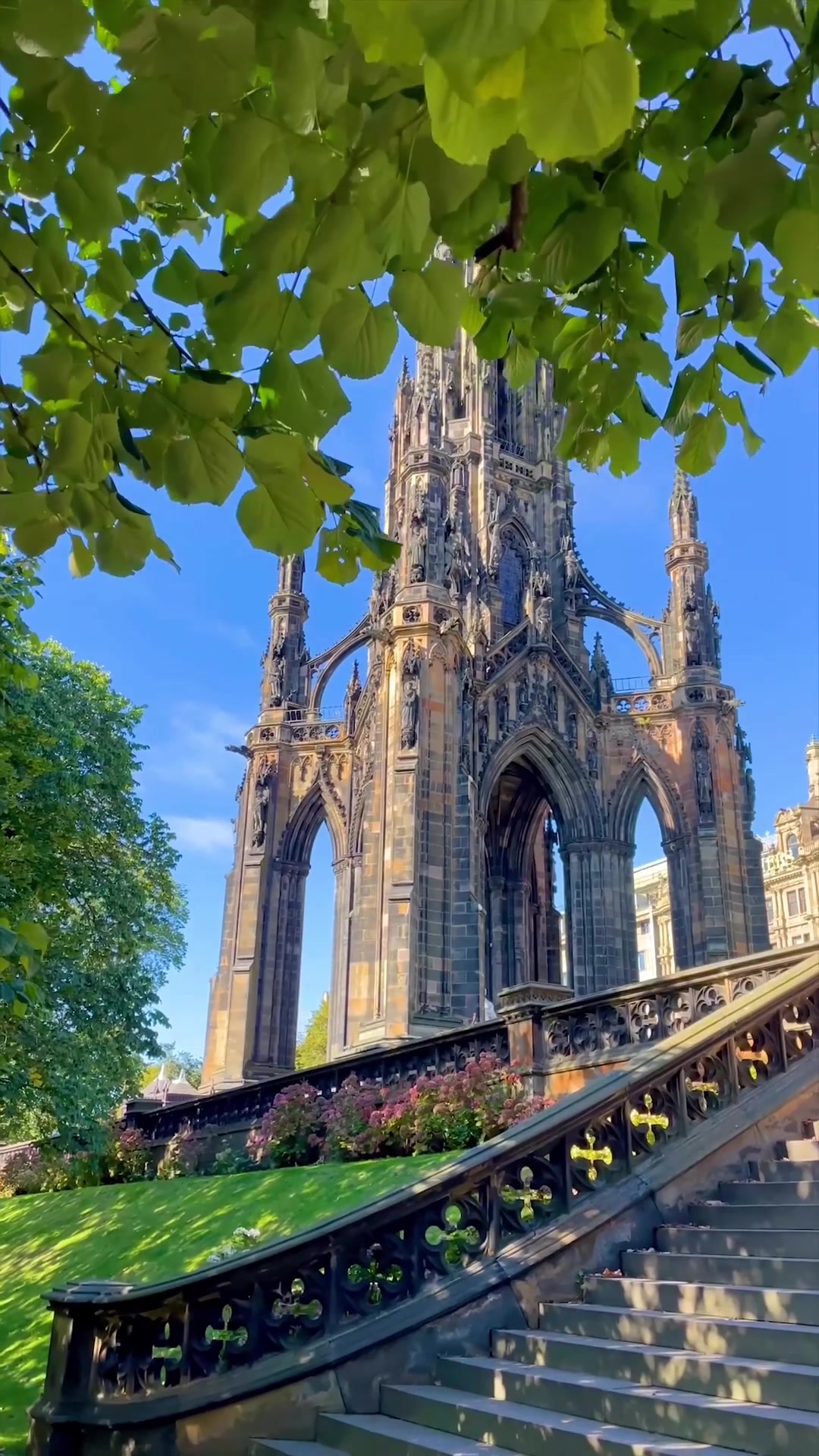
In the heart of Edinburgh, Scotland, the Scottish Monument towers above Princes Street Gardens, built as a tribute to a single writer. The Scott Monument is the world's largest monument to commemorate a writer — Sir Walter Scott. Towering 200 feet tall, it is a marvel of Gothic architecture. Standing at the foot of the structure, visitors are engulfed by the intricate stone detailing and the panoramic vistas, easily overlook the monument's underlying reason to exist.
An Architectural Marvel in Scotland
Constructed between 1840 and 1844, the Scott Monument is a towering landmark in Edinburgh, Scotland. Inspired by Scottish author Sir Walter Scott (1771–1832), the monument is a tribute to the writer's critique of society, his captivating novels, and his contributions to the romantic movement. It is the world's largest monument dedicated to a writer, standing at 204 feet tall, like a Gothic cathedral without the worshippers inside. This Victorian structure is a testament to the enduring legacy of Sir Walter Scott who is known for his novels Ivanhoe, Waverley, and Guy Mannering. It was designed by architect George Meikle Kemp (1795–1844), who was also inspired by the natural beauty of Scotland and read the books of Scott during the design. His design, which is a mix of Gothic and Tudor styles, is intrinsic to the monument's distinctive appearance. Visitors can climb 287 steps to the top for a panoramic view of the city. The monument includes many intricate details and statues that honor the author and his works.
The “Scottishness” of Edinburgh
Edinburgh's architecture is a patchwork of periods and styles, but it carries one underlying theme: "Scottishness." It is a tribute to Scotland's rich literary and historical heritage. The monument is a symbol of the city's deep connection to its literary past, a tangible representation of the power of storytelling and the enduring influence of its writers. It is the largest attempt to immortalize a writer; Edinburgh's commitment to its literary identity; and there is no other monument that towers over the cityscape to such an extent. Among the most notable examples and rival monuments are the statues of two other literary giants, Robert Burns and Robert Louis Stevenson, Scottish Monument's presence in Edinburgh also signifies a broader trend in global cities, where cultural icons often serve as poignant reminders of history's enduring ties to locales. All have been erected in various forms to honor and celebrate the significant contributions of these writers.
The Gothic Revival Staircase
The monument's architecture is a mix of Gothic Revival and Tudor styles. This includes a rich mix of statues, stained glass, intricate carvings, and Gothic arches. The monument’s ornate design, with its intricate carvings and statues, is a visual treat. The steps are narrow, with the only way up as challenging as the journey to the base had been. It is a long, low, finely structured structure with deeply grooved surfaces and deep, rocky protrusions. The climb narrows gradually, becoming more difficult with each floor as the steps get increasingly crowded and the walkway gets narrower. The staircase can also be accessed via a ramp, complete with a handrail, allowing visitors with disabilities to reach the top. This is a significant feature, highlighting how architecture should be accessible to everyone, regardless of ability. The stadium is designed with a unique upward spiral which required a distinctive ramp. The monument narrows as it rises, giving visitors a greater sense of achievement as they climb. The staircase also offers a glimpse of the stunning panoramic views of the city, making it a must-experience for visitors.
The Monument to a Writer
There are many statues and figures throughout the monument. The monument includes 64 figures representing characters from Scott's novels, and four statues at the base representing Scott's most famous works. Each of the four statues at the base of the monument represents a character from Scott's works. While climbing the monument, visitors will come across statues of characters from Scott's novels, including one of the author himself. The monument also includes statues representing the authors most famous works. The statues are beautifully carved and provide a glimpse into the world of Scott's novels. They also serve as a reminder of the power of storytelling and the enduring influence of his works. The monument was built with the highest-quality sandstone, to reflect the intricate architectural features of the monument. Although it has weathered some damage over time, a recent restoration effort ensured that the monument remains a stunning example of Gothic architecture.
Responding to the changing landscape
Scott Monument is hard to miss, yet it still manages to blend seamlessly into the modern urban landscape. Located in the heart of the city, the monument is surrounded by lush greenery and the iconic waters of Edinburgh. There’s a delightful contrast between the monument's stately order, and the vibrant bustle of the city. Thriving urban centers have the unique ability to integrate historic sites into the everyday fabric of the city, such as when families of tourists enjoy the greenery and the view at Princes Street Gardens, in front of the entrance to the monument, they can also see Edinburgh Castle, the Old Royal High School and Arthur's seat, adding to the picturesque scene. It is a testament to the enduring power of historic sites to captivate and inspire, especially when juxtaposed with the changing landscape of modern cities. While some cities risk losing their cultural heritage, Edinburgh’s successful integration of historic architecture with modern life ensures that it can still pay tribute to its literary legacy. This helps to preserve the memory of Scott's life and works, and will inspire future generations to appreciate the beauty and richness of literature.
Strategizing a visit
- Plan your journey: For visitors planning to explore the Scott Monument in Edinburgh, it's essential to plan your journey to ensure a seamless experience. The monument is located in Princes Street Gardens, which can be reached by walking or taking the bus. However, parking can be challenging, so public transport is recommended. You must book your tickets in advance, to avoid long waiting lines. The monument is open daily, with long hours, and the climb takes about 30 minutes. For guests with limited mobility, the monument also offers a lift service, making it accessible to everyone. The monument has good facilities for visitors and two guided tours to choose from: A lifting program for guests with limited mobility is available. Visitors can make use of a lift to the gallery. Attend the guided tour to enjoy a tour, such as a tour of Edinburgh Castle, with a knowledgeable guide.
- Engage a knowledgeable guide. As you climb the monument, consider engaging a knowledgeable guide to make the most of your journey. Check and follow the signs to avoid detours, as the monument can be quite labyrinthine. Tour guides offer guided tours through the monument, providing valuable insight into its history and architecture. The guide will ensure that you do not miss any of the important landmarks and explain the monument’s significance. Additionally, guides can adapt the tour to suit, with breaks and alternative routes, if needed. With a knowledgeable guide, you can learn about the monument's history, appreciate the intricate details, and enjoy the stunning views of Edinburgh. By planning your journey, engaging a knowledgeable guide, and making necessary adjustments, you can ensure that your visit to the Scott Monument is both memorable and accessible. The monument is a must-visit destination for anyone interested in literature, history, or architecture and it will make your journey one to remember.
Edinburgh's Gateway to Literature
The Scott Monument is a powerful symbol of Scotland’s deep connection to its literary past, and serves as an enduring tribute to the power of storytelling. The monument is a testament to the enduring power of storytelling and the lasting impact of Sir Walter Scott's works. It is a reminder of the invaluable contributions authors make to society, and their importance to culture.
Watch the Reel
Questions readers ask
Who is Sir Walter Scott, and why is there a monument dedicated to him in Edinburgh?
Sir Walter Scott was a renowned Scottish author known for his novels like *Ivanhoe* and *Waverley*. The Scott Monument in Edinburgh is a tribute to his literary contributions and his impact on the romantic movement. The monument stands as the world's largest dedication to a single writer, showcasing the city's deep appreciation for his work.
What makes the Scott Monument unique among other literary monuments?
The Scott Monument is unique because it is the world's largest monument dedicated to a single writer. It's not just a tribute to Sir Walter Scott, but also a marvel of Gothic and Tudor architecture. Its intricate details and panoramic views make it a standout landmark in Edinburgh.
What does the Gothic Revival staircase inside the Scott Monument offer to visitors?
The Gothic Revival staircase inside the Scott Monument offers a challenging climb with 287 steps, leading visitors to a panoramic view of Edinburgh. The staircase is narrow and intricate, with ornate carvings and statues that add to the monument's overall aesthetic. It's a journey that rewards visitors with a stunning view of the city.
Is the Scott Monument the only literary monument in Edinburgh?
No, the Scott Monument is not the only literary monument in Edinburgh. There are also statues honoring other Scottish literary giants like Robert Burns and Robert Louis Stevenson. However, the Scott Monument is the largest and most prominent, reflecting Edinburgh's rich literary heritage and its commitment to honoring its writers.
Can visitors with mobility issues still enjoy the Scott Monument?
Visitors with mobility issues may find the Scott Monument challenging to fully enjoy, as it involves climbing 287 narrow, steep steps to reach the top. However, the monument can still be appreciated from the outside, and the surrounding Princes Street Gardens offer a pleasant area to explore.
Are there any other landmarks in Edinburgh that showcase the city's literary heritage?
Yes, Edinburgh is rich in literary landmarks. Apart from the Scott Monument, there are statues and museums dedicated to other famous Scottish writers like Robert Burns and Robert Louis Stevenson. The city's architecture and cultural institutions often highlight its deep connection to literature and storytelling.
Related deep dives
Similar reads based on topic and creator.



Recent articles
Fresh deep dives from the latest Reels we unpacked.




Comments
Be the first to comment.